128-Slice CT for Pets: Why Scanner Quality Changes Everything
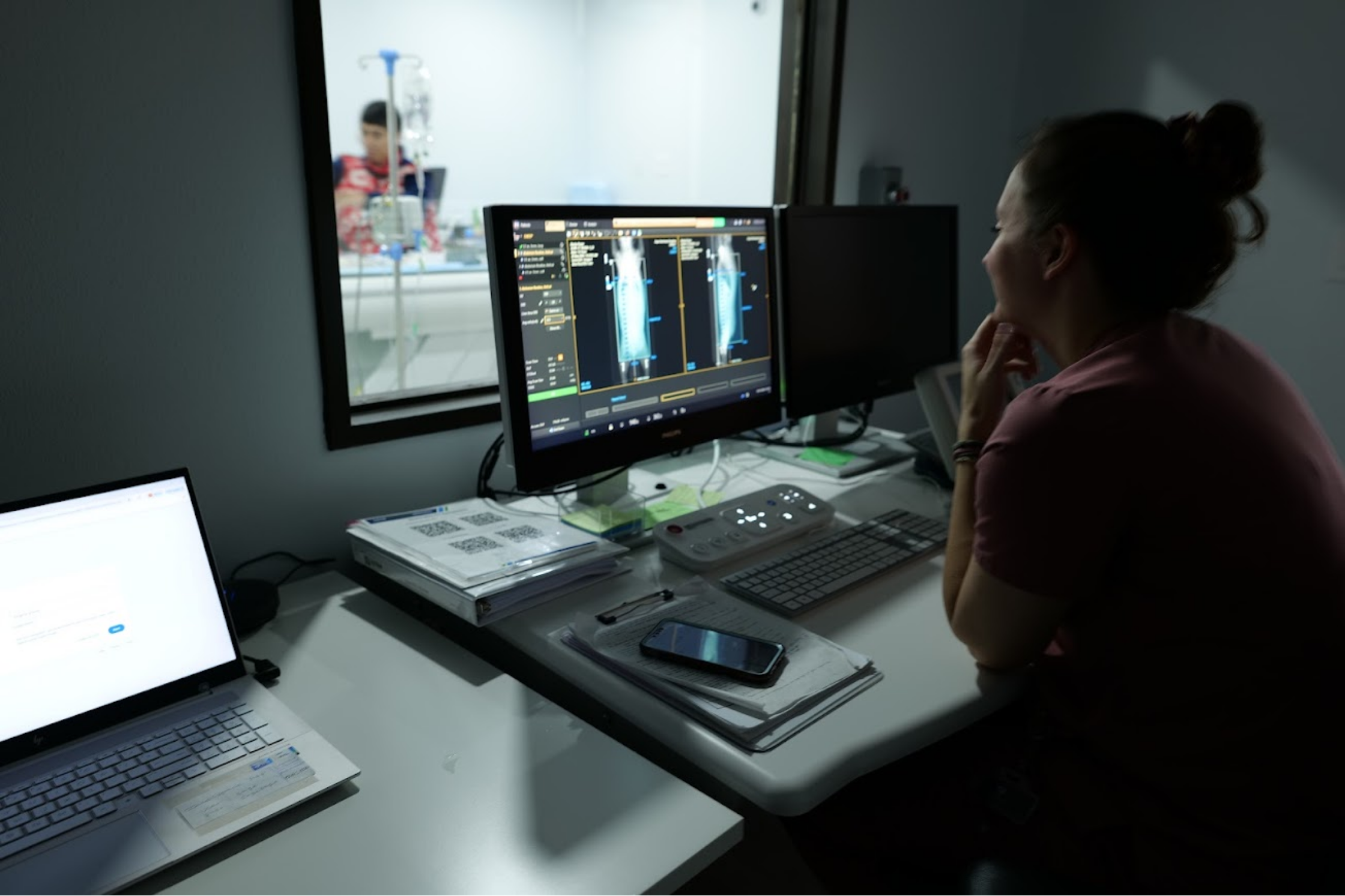
Advanced 128-slice CT technology provides detailed diagnostic images that help veterinarians identify disease, plan treatment, and improve patient outcomes.
When your veterinarian recommends a CT scan for your pet, it’s usually because they need a fast, detailed view of what’s happening inside the body. But one important factor many pet owners don’t realize is that not all CT scanners are the same.
The quality of the CT scanner can significantly impact how clearly abnormalities are seen and how quickly the scan can be completed. At Sage Veterinary Imaging, pets are imaged using a 128-slice CT scanner, one of the most advanced systems available in veterinary medicine today.
Understanding what “128-slice CT” means—and why it matters—can help you make more informed decisions when your pet needs advanced imaging.
What Does “128-Slice CT” Mean?
CT stands for Computed Tomography, a type of imaging that uses X-rays to create detailed cross-sectional images of the body.
The term “128-slice” refers to how many image slices the scanner can capture in a single rotation. Each slice represents a thin cross-section of the body.
Lower-slice CT scanners capture fewer images per rotation
Higher-slice scanners (like 128-slice) capture more images at once
This means a 128-slice CT scanner can create more detailed, higher-resolution images in less time.
Why CT Scanner Quality Matters
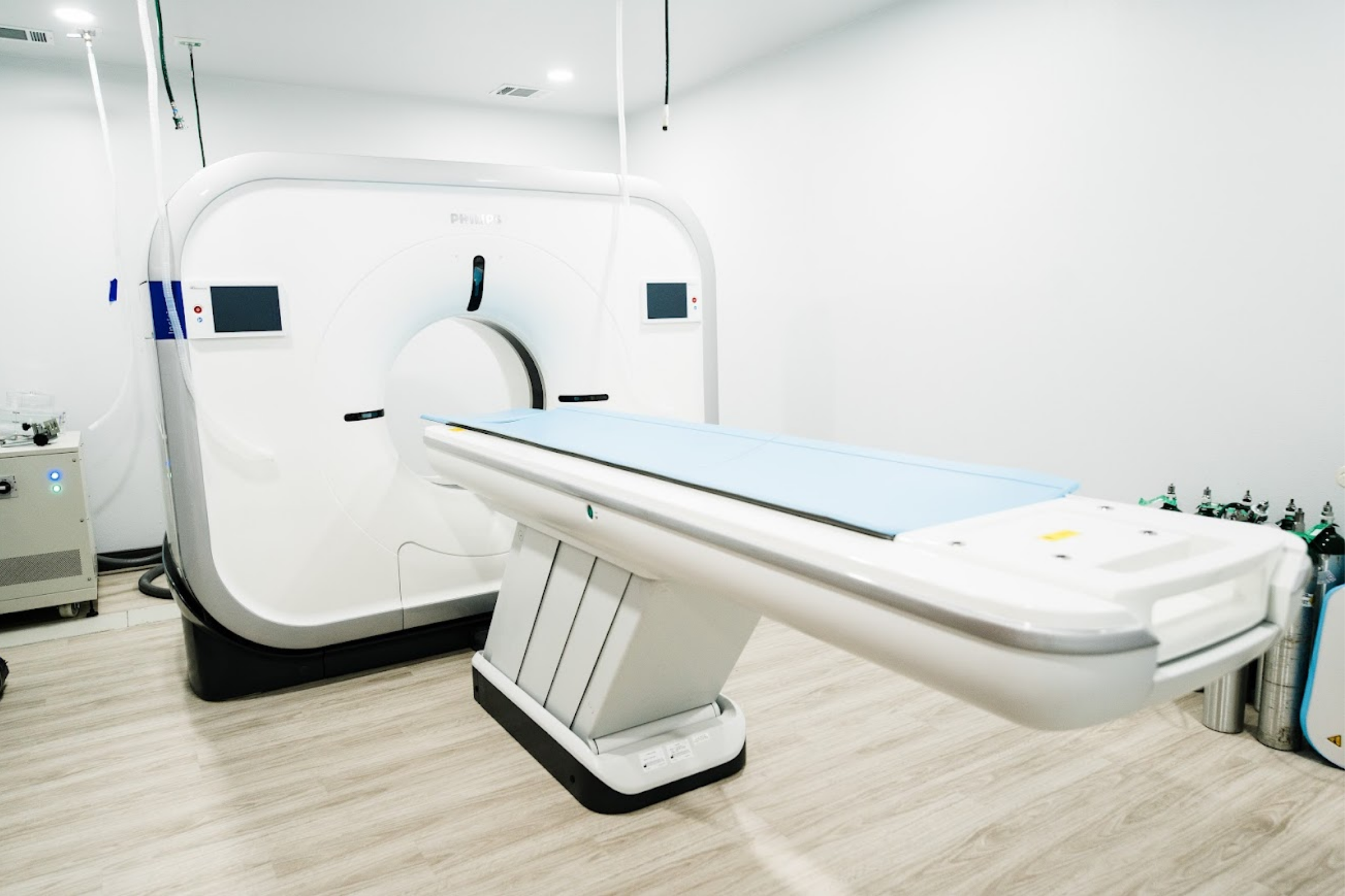
High-resolution 128-slice CT technology captures detailed images quickly, helping veterinarians diagnose complex conditions with greater accuracy.
CT imaging is often used to evaluate structures such as:
Bones and joints
Lungs and chest
Nasal passages and sinuses
Internal organs
Tumors and masses
Higher-quality CT scanners provide:
Sharper, more detailed images
Better visualization of small abnormalities
More accurate assessment of tumors
Improved ability to evaluate complex anatomy
In many cases, this leads to more confident diagnoses and better treatment planning.
Faster Scans, Safer Procedures
One of the biggest advantages of a 128-slice CT scanner is speed.
Because the system captures more data in each rotation, scans can be completed very quickly—often in just seconds.
This has several important benefits:
Reduced anesthesia or sedation time
Increased safety for pets
Less stress on the body
Faster overall appointment times
For pets that are older, anxious, or medically fragile, shorter scan times can make a meaningful difference.
Improved Detection of Disease
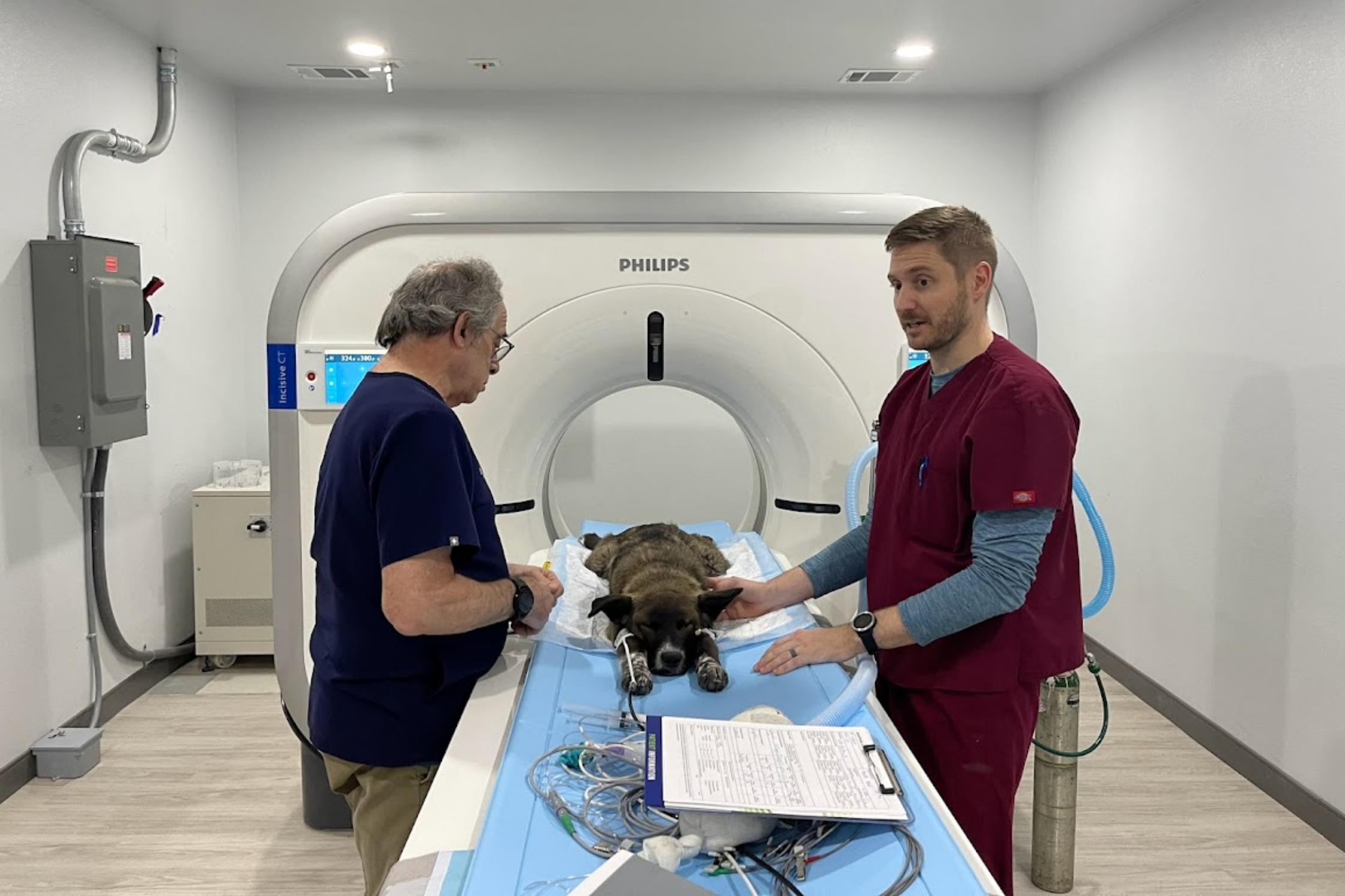
Proper patient positioning helps ensure high-quality CT images and accurate diagnostic results.
High-resolution CT imaging allows veterinarians to detect abnormalities that might be missed with lower-quality scanners.
A 128-slice CT is especially valuable for diagnosing:
Nasal tumors or chronic infections
Lung disease and pulmonary masses
Complex fractures
Dental disease below the gum line
Internal bleeding or trauma
Certain cancers requiring staging
Because the images are more detailed, veterinarians can better understand the size, location, and extent of disease.
Better Tools for Surgical Planning
CT scans are often used before surgery to help veterinarians plan procedures with greater precision.
With 128-slice CT imaging, veterinarians can:
Create detailed 3D reconstructions of anatomy
Identify critical structures before surgery
Plan complex orthopedic or tumor removal procedures
Reduce surgical uncertainty
This level of detail can lead to more efficient procedures and improved outcomes.
Not All Veterinary CT Scanners Are Equal
Many veterinary clinics use older or lower-slice CT scanners, which can still provide useful information but may not deliver the same level of detail or speed.
Lower-slice systems may:
Take longer to complete scans
Produce lower-resolution images
Make subtle abnormalities harder to detect
Choosing a facility with advanced CT technology helps ensure your pet receives the most accurate diagnostic information possible.
A Specialized Approach to Advanced Imaging
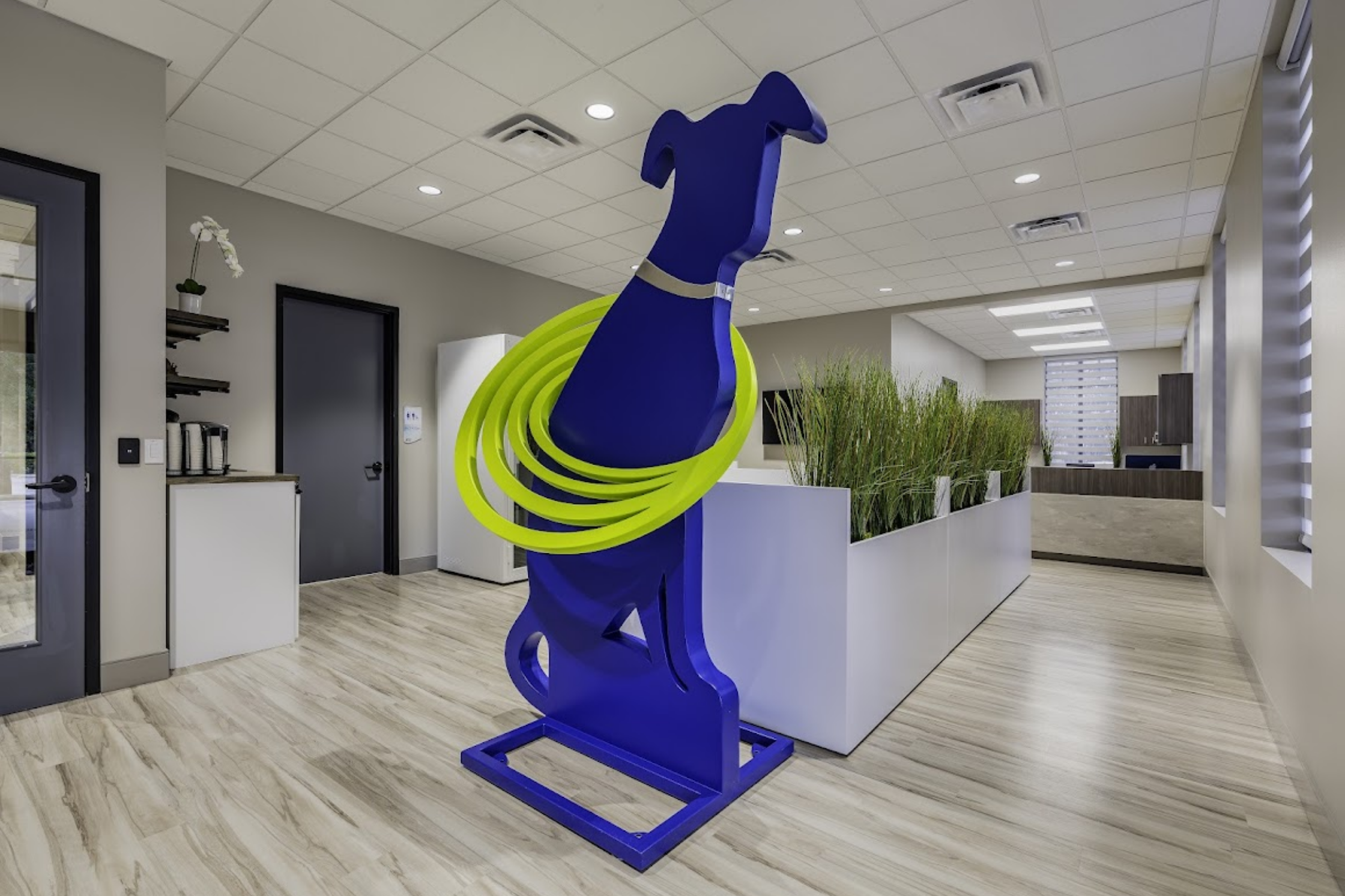
Sage Veterinary Imaging is a dedicated outpatient diagnostic imaging center focused on advanced veterinary diagnostics and collaborative care.
Sage Veterinary Imaging operates as a dedicated outpatient imaging center, focusing exclusively on advanced diagnostics such as CT, MRI, ultrasound, and image-guided procedures.
This specialized approach allows the team to provide:
Access to high-end imaging technology
Efficient scheduling for diagnostic procedures
Expert interpretation by board-certified radiologists
Collaboration with your primary veterinarian
Your veterinarian remains responsible for your pet’s care while the imaging team provides the detailed diagnostic information needed to guide treatment.
Helping Pets Get Clear Answers
When pets develop injuries, breathing problems, tumors, or unexplained symptoms, advanced imaging plays a critical role in finding answers.
At Sage Veterinary Imaging, the use of 128-slice CT technology helps ensure that veterinarians and pet owners receive fast, accurate, and detailed diagnostic information.
If your veterinarian recommends a CT scan for your pet, the quality of the imaging system can make a meaningful difference in diagnosis, treatment planning, and outcomes.