3T MRI for Pets: What It Is and Why It Matters
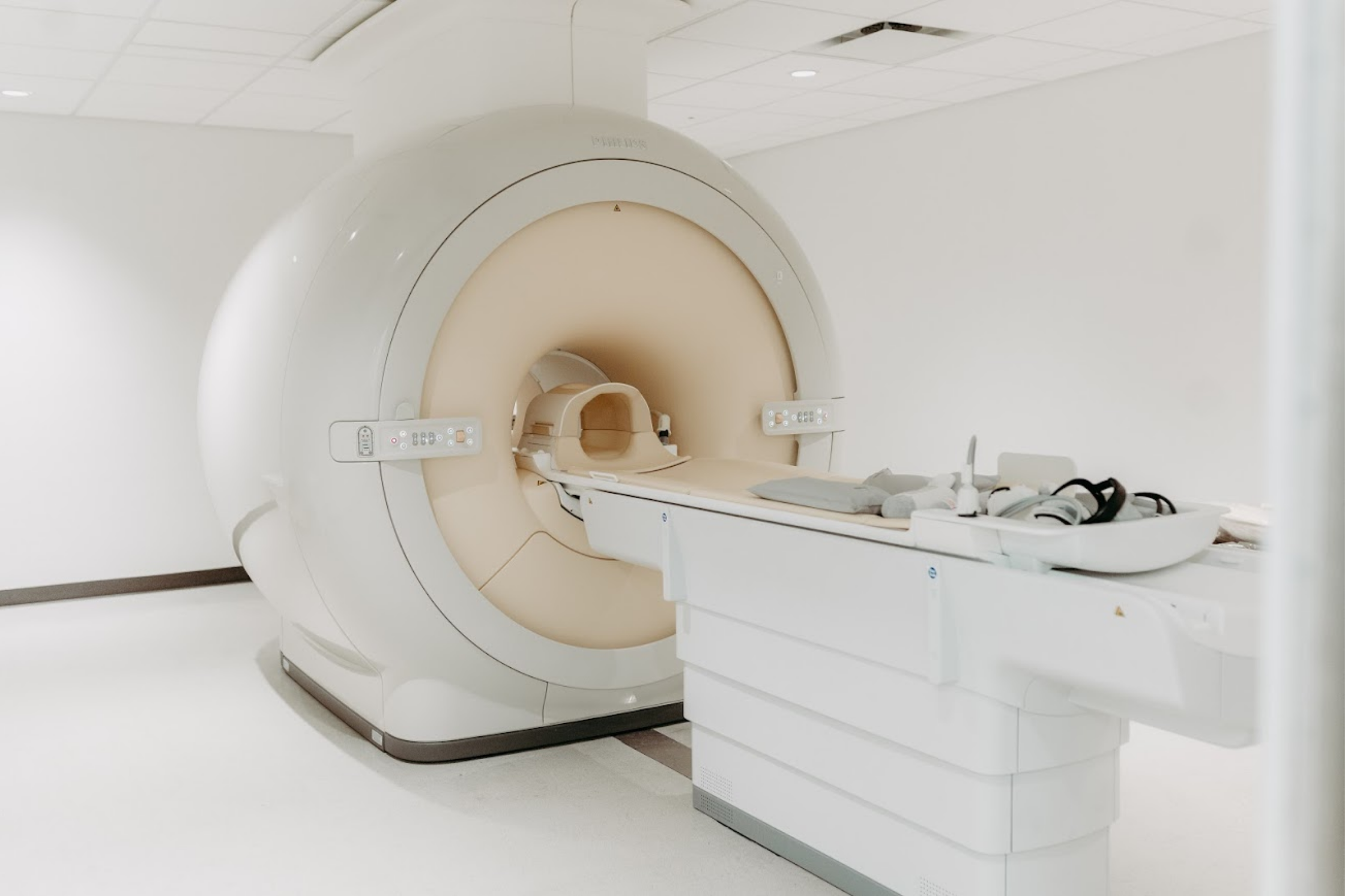
Sage Veterinary Imaging uses advanced 3T MRI technology to provide highly detailed diagnostic imaging for pets.
When your veterinarian recommends an MRI for your pet, one of the most important factors that often goes unmentioned is the quality of the MRI machine itself. Not all MRI systems provide the same level of detail, and often, the difference can directly impact diagnosis and treatment.
At Sage Veterinary Imaging, pets are scanned using 3-Tesla (3T) MRI technology, which represents one of the highest levels of imaging available in veterinary medicine today. Understanding what 3T MRI means—and why it matters—can help pet owners make more informed decisions when advanced imaging is recommended.
What Does “3T MRI” Mean?
MRI machines are classified by their magnetic field strength, which is measured in Teslas (T).
Low-field MRI: typically 0.2T–0.5T
Mid-field MRI: around 1.0T–1.5T
High-field MRI: 3.0T
A 3T MRI has a magnetic field that is significantly stronger than lower-field systems, allowing it to capture much more detailed images of the body.
This level of technology is commonly used in human hospitals but is still relatively uncommon in veterinary medicine.
Why MRI Strength Matters for Pets
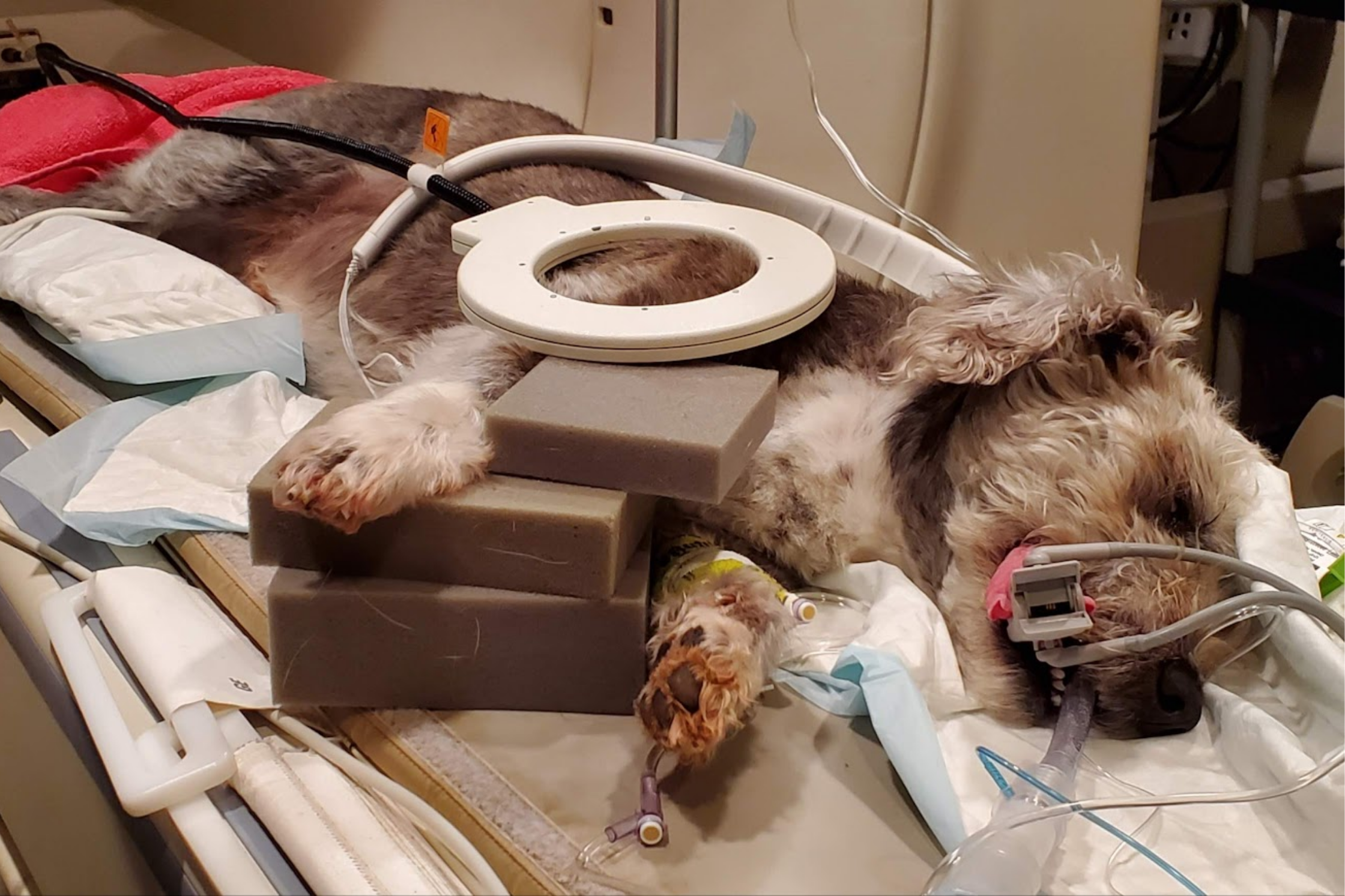
High-field MRI allows veterinarians to evaluate neurological and spinal conditions with exceptional detail.
MRI is most often used to evaluate soft tissues, including the brain, spinal cord, and nervous system. These structures are complex and require high-resolution imaging to identify abnormalities accurately.
A higher-field MRI provides:
Greater image clarity
Improved contrast between tissues
Better visualization of small structures
Increased ability to detect subtle abnormalities
In practical terms, this means veterinarians can often identify problems earlier and more accurately with a 3T MRI.
Conditions Where 3T MRI Makes a Difference
High-resolution imaging is especially important for diagnosing conditions that affect the nervous system.
A 3T MRI is commonly used for evaluating:
Seizure disorders
Brain tumors
Inflammatory brain disease
Intervertebral disc disease (IVDD)
Spinal cord compression
Nerve injuries
These conditions often involve very small or subtle changes in tissue that can be difficult to detect with lower-field MRI systems.
Faster Scans, Shorter Anesthesia Time
Another major advantage of 3T MRI is speed.
Because higher-field MRI machines capture more data in less time, scans can often be completed more quickly. This reduces the amount of time pets need to remain under anesthesia.
Shorter anesthesia time is important because it:
Reduces overall risk
Improves patient safety
Allows for a smoother recovery
This is especially beneficial for older pets or those with underlying health conditions.
Better Imaging Can Mean Better Decisions
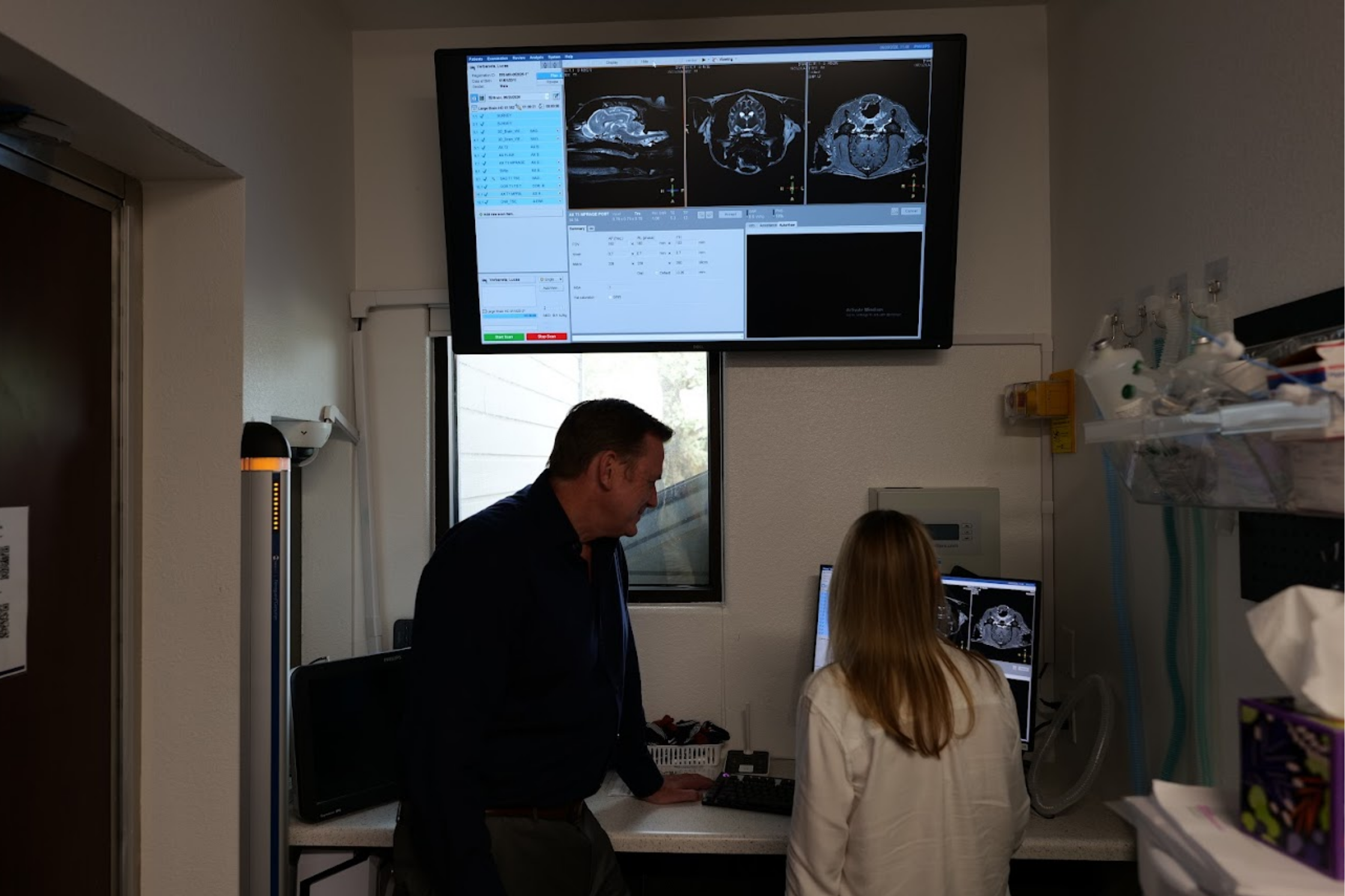
Detailed MRI images help veterinarians make more accurate diagnostic and treatment decisions.
The goal of advanced imaging is not just to produce images—it’s to help veterinarians make the right diagnosis and treatment plan.
Higher-quality MRI imaging can:
Reduce the need for repeat scans
Provide clearer answers sooner
Help guide surgical planning
Improve confidence in diagnosis
In many cases, clearer imaging leads to faster and more effective treatment decisions.
Not All Veterinary MRI Systems Are the Same
Many veterinary facilities still use lower-field MRI systems, which can be more affordable but may produce less detailed images and require longer scan times.
While these systems can still be useful, they may not always provide the level of detail needed for complex neurological cases.
Choosing a facility with high-field 3T MRI technology ensures your pet is receiving one of the most advanced imaging options available.
A Specialized Approach to Advanced Imaging
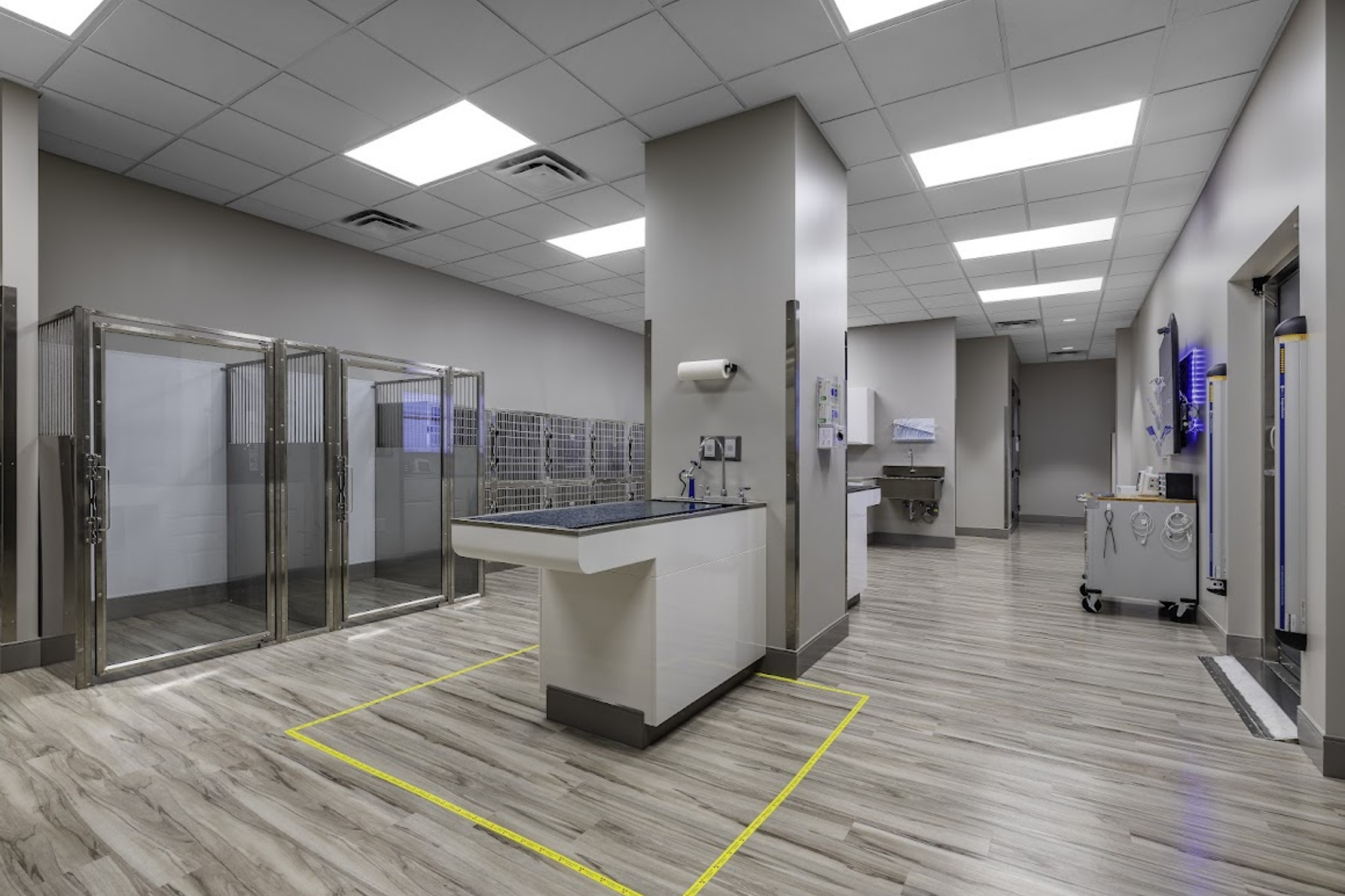
Sage Veterinary Imaging focuses exclusively on advanced diagnostic services for referring veterinarians and pet owners.
Sage Veterinary Imaging operates as a dedicated outpatient imaging center, focusing exclusively on advanced diagnostics such as MRI, CT, ultrasound, and image-guided procedures.
This focused approach allows the team to provide:
Access to high-end imaging technology
Efficient scheduling for diagnostic procedures
Expert interpretation by board-certified radiologists
Collaboration with your primary veterinarian
Your veterinarian remains responsible for your pet’s care, while the imaging team provides the detailed diagnostic information needed to guide treatment.
Helping Pets Get the Answers They Need
When pets develop neurological symptoms, spinal pain, or unexplained medical conditions, advanced imaging often plays a critical role in finding answers.
At Sage Veterinary Imaging, the use of 3T MRI technology helps ensure that veterinarians and pet owners receive the most accurate information possible.
If your veterinarian recommends an MRI for your pet, choosing a facility with advanced imaging technology can make a meaningful difference in diagnosis, treatment, and outcomes.