Dog MRI Costs in 2026: What Pet Owners Should Expect & How to Prepare

When your pet is in pain, their health is the number one priority, but budget constraints are often the next consideration.
When a dog starts having seizures, most pet owners don’t think about imaging costs. They think about keeping their best friend safe.
That was the case for Emily, whose 9-year-old lab, Hazel, began trembling and collapsing one morning without warning. Her vet immediately suspected a brain issue and recommended an MRI. But while Emily knew advanced imaging was important, she was blindsided when the hospital quoted her over $5,000, with a two-week wait.
Dog MRIs are powerful diagnostic tools, but they can also be expensive and hard to access. Costs range from $2,500 to $6,000+ depending on where it’s done, what kind of machine is used, and how much supportive care your dog needs.
In this guide, we break down what influences MRI pricing, how different facilities compare, when an MRI is worth it, and what financial options you have, including pet insurance and teaching hospital discounts. We also explain what questions to ask so you can make informed, confident decisions about your dog’s care.
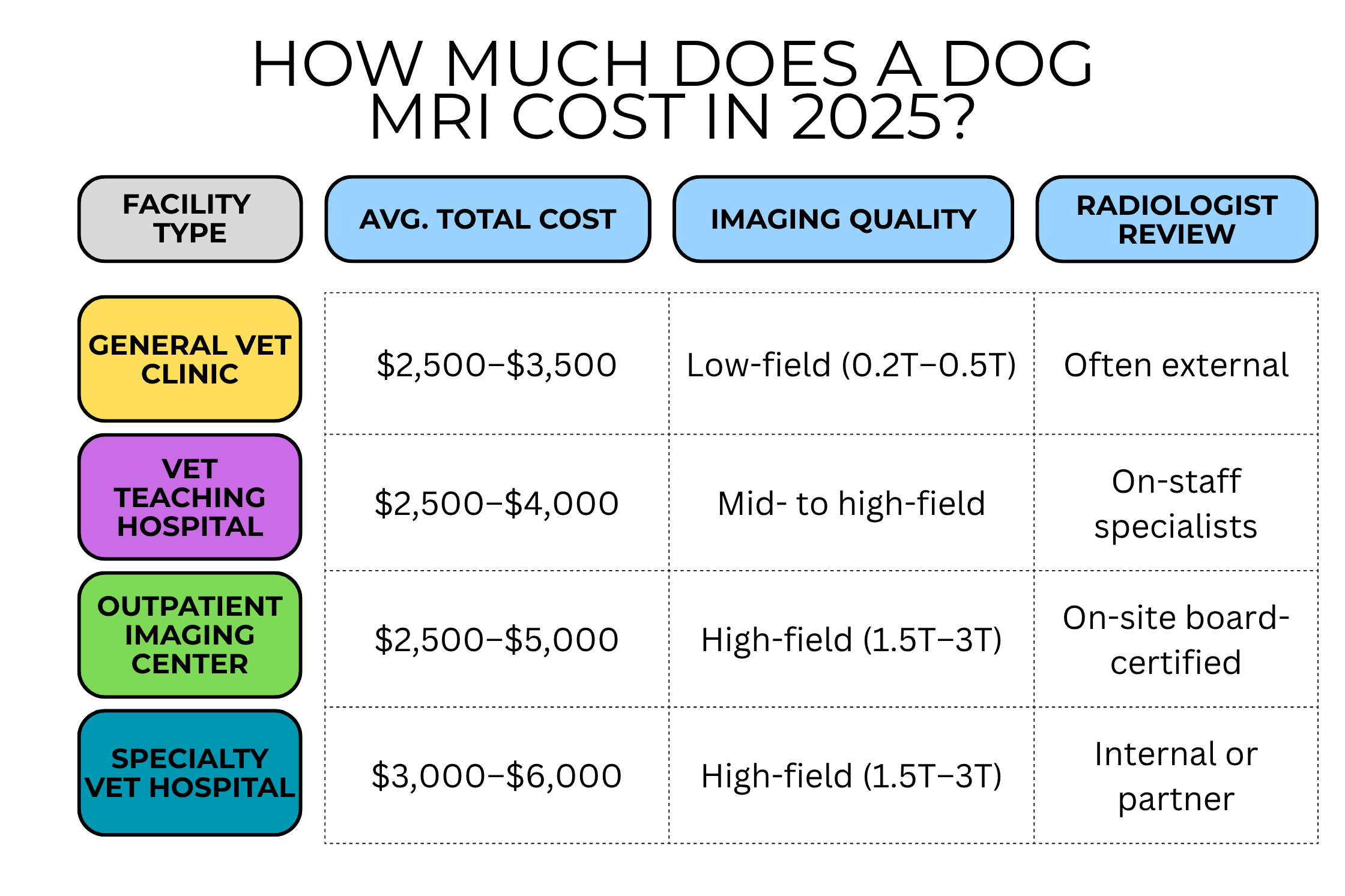
Dog MRI costs in 2025-2026 vary by facility type, machine strength, and radiologist involvement.
💡 Heads up: If your dog needs contrast imaging or if more than one body area is scanned (like brain and spine), expect the cost to increase significantly, sometimes even double. That’s because these scans take longer, require more anesthesia, and need extra image analysis by a radiologist.
MRI pricing includes far more than just the scan itself. Here’s what typically makes up the full cost:
MRI scan: $2,000–$2,500
Anesthesia or sedation: $200–$500
Pre-scan bloodwork & chest X-rays: $250–$450
Post-scan recovery & monitoring: $100–$600
Radiologist review & report: $150–$350
Every dog is different, and the total can vary depending on size, health, and how urgently results are needed. But understanding these components helps you ask the right questions—and avoid surprise costs.
Why the Cost of a Dog MRI Varies So Much
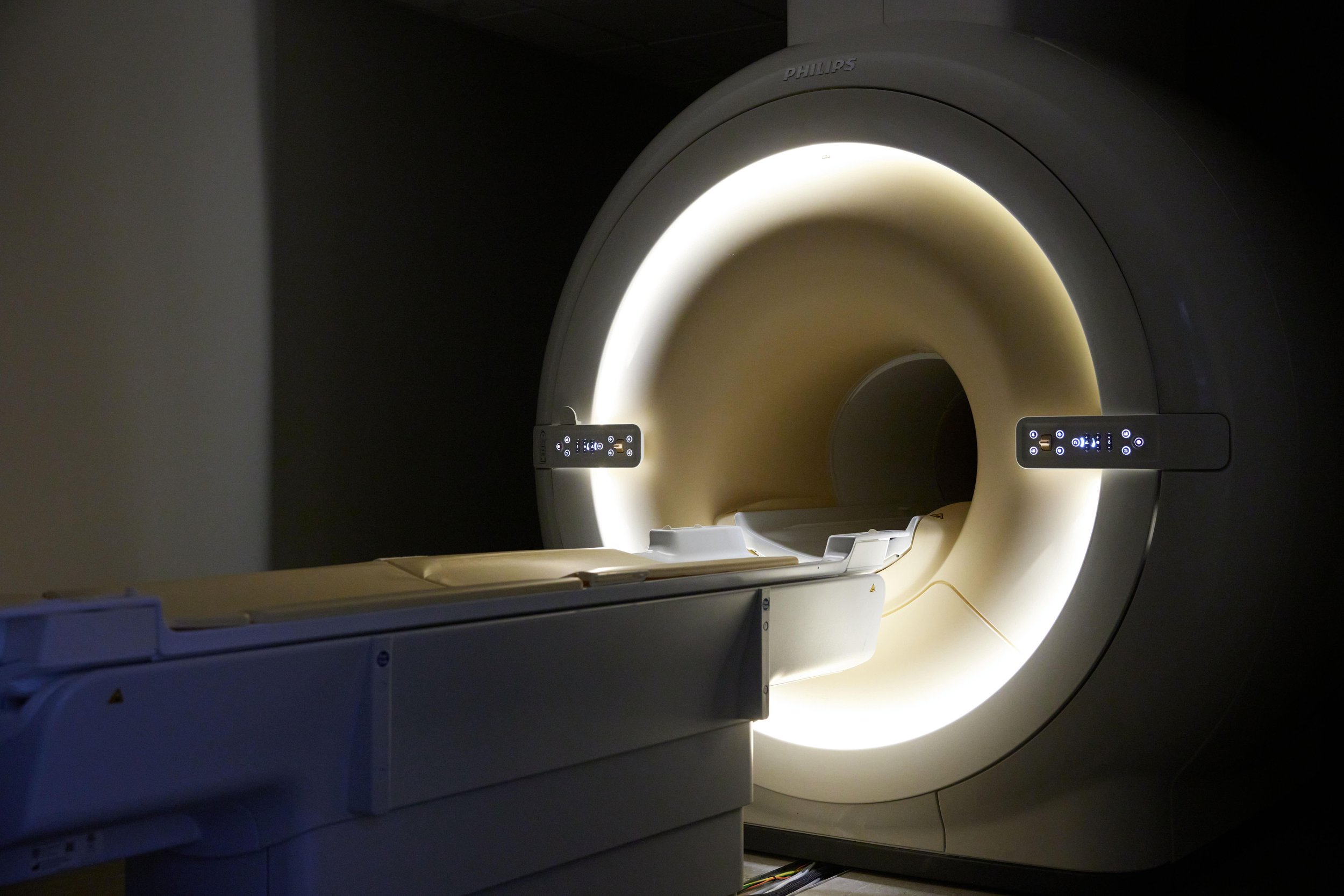
The high-field 3T MRI scanner like the one at SVI pictured above provide fast, detailed imaging for dogs.
The price range for a dog MRI—anywhere from $2,500 to $6,000+—may feel confusing, but it’s not arbitrary. Below are the key drivers behind that variability, with specific examples to help you evaluate quotes more confidently.
1. Magnet Strength (Low-Field vs High-Field)
Low-field MRI (0.2–0.5 Tesla)
Common in general practices or mobile units. These systems are more affordable to operate but produce lower-resolution images, especially for brain and spine scans. Expect longer scan times and less diagnostic detail.
Example: A vet clinic with a 0.3T machine may charge $2,800 but outsource interpretation, with a turnaround time of 48–72 hours.High-field MRI (1.5–3 Tesla)
The standard in human hospitals and advanced imaging centers. High-field units provide crisper images in less time, reducing anesthesia duration and improving diagnostic accuracy.
Example: A standalone center with a 3T MRI may charge $3,500–$4,500, including on-site radiologist interpretation and same-day results.
2. Dog Size & Medical Complexity
Larger dogs = longer scan time + more anesthesia
A 90-lb German Shepherd will take longer to scan and require more anesthetic drugs and monitoring than a 15-lb Boston Terrier.Dogs with health concerns (like heart disease or brachycephalic syndrome) may require pre-anesthetic workups, advanced monitoring, or even ICU recovery, which adds to the total bill.
3. Facility Type & Operational Overhead
General vet clinics may have lower-cost MRIs but fewer support staff and limited on-site expertise. Radiology reports often take longer.
Standalone imaging centers often provide high-field MRI with leaner teams and lower overhead than large hospitals, so you get better imaging for a lower price.
Specialty hospitals typically have the highest prices due to 24/7 staffing, multiple specialists, and inpatient care capabilities. You’re paying for access, not just equipment, which is ideal for critical patients, but more often expensive than necessary for stable patients.
💡Quote Comparison:
Facility A (specialty hospital): $5,800 for MRI with contrast, 2–3 day report turnaround
Facility B (outpatient imaging center): $3,200 all-inclusive with same-day report
4. Geographic Price Variation
Urban centers and high-income ZIP codes (e.g., New York, San Francisco, Austin) tend to have higher prices due to staffing costs, facility rent, and demand.
Veterinary teaching hospitals in college towns or rural areas may offer lower prices ($2,500–$3,500) because services are subsidized for training purposes.
💬 Example: In Los Angeles, a high-field MRI may run $5,200–$6,000 with extended post-op care. In Oklahoma, the same scan at a teaching hospital might cost $3,200, including interpretation and recovery.
What Is a Dog MRI, and When Is It Needed?
A dog MRI (Magnetic Resonance Imaging) is a non-invasive diagnostic scan that uses magnetic fields and radio waves to create detailed, high-resolution images of soft tissues—especially the brain, spinal cord, joints, and internal organs.
Unlike X-rays or CT scans that excel at showing bone, MRI is the gold standard for detecting soft tissue abnormalities that might otherwise go undiagnosed.
Common Signs Your Dog Might Need an MRI
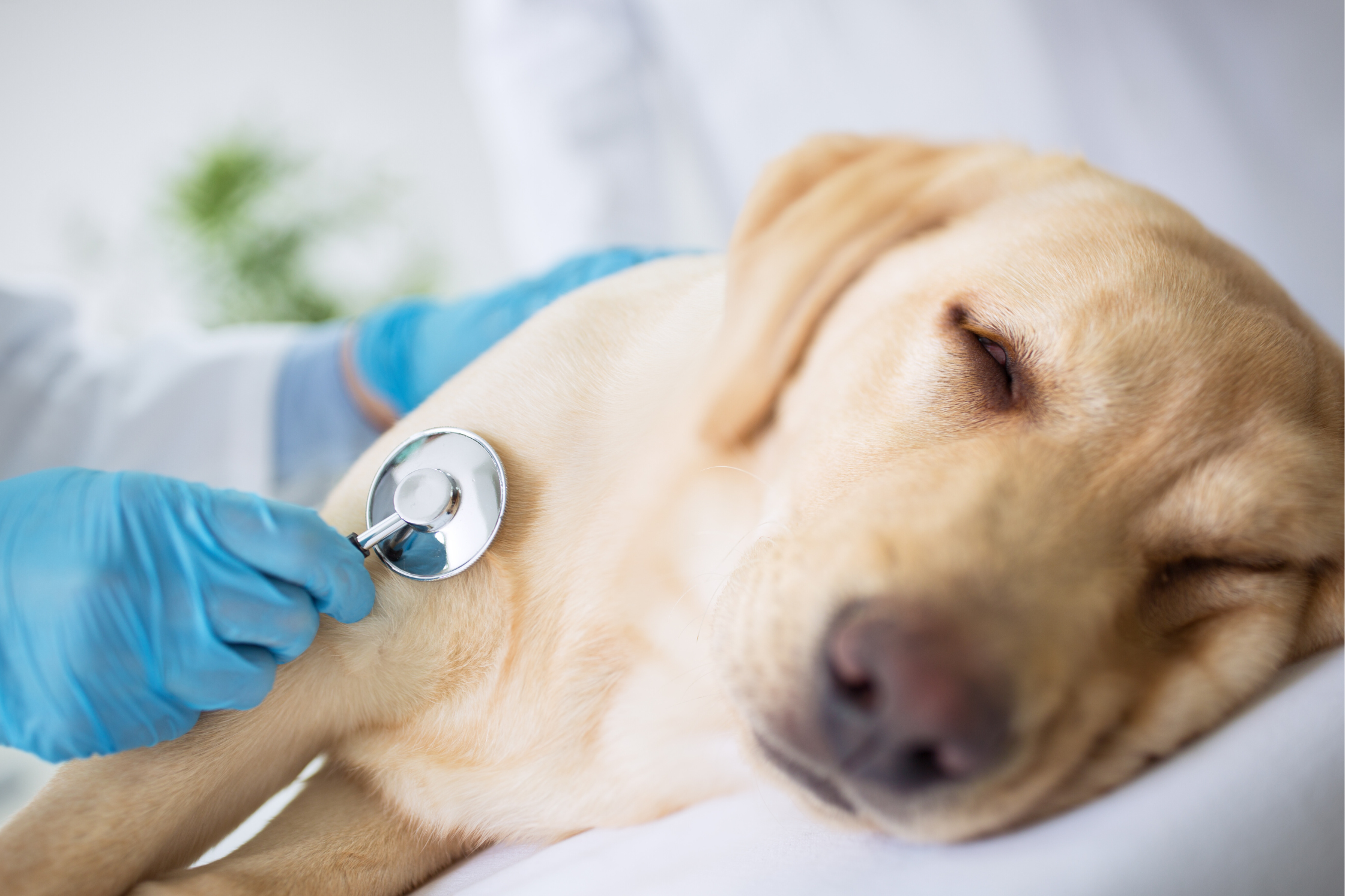
When symptoms like seizures or balance issues appear, advanced imaging can help find answers fast.
Your vet may recommend an MRI when other diagnostics (like X-rays or ultrasound) don’t explain persistent or serious symptoms. Typical cases include:
Seizures or sudden neurologic changes like head tilt, facial droop, circling, loss of balance.
Back or neck pain, ataxia, or paralysis often due to disc herniation, spinal tumors, or inflammation.
Chronic lameness with normal radiographs like joint or ligament injuries not visible on X-ray that show clearly on MRI.
Suspected masses or unexplained swelling, especially for soft tissue tumors near the brain, spine, or internal organs.
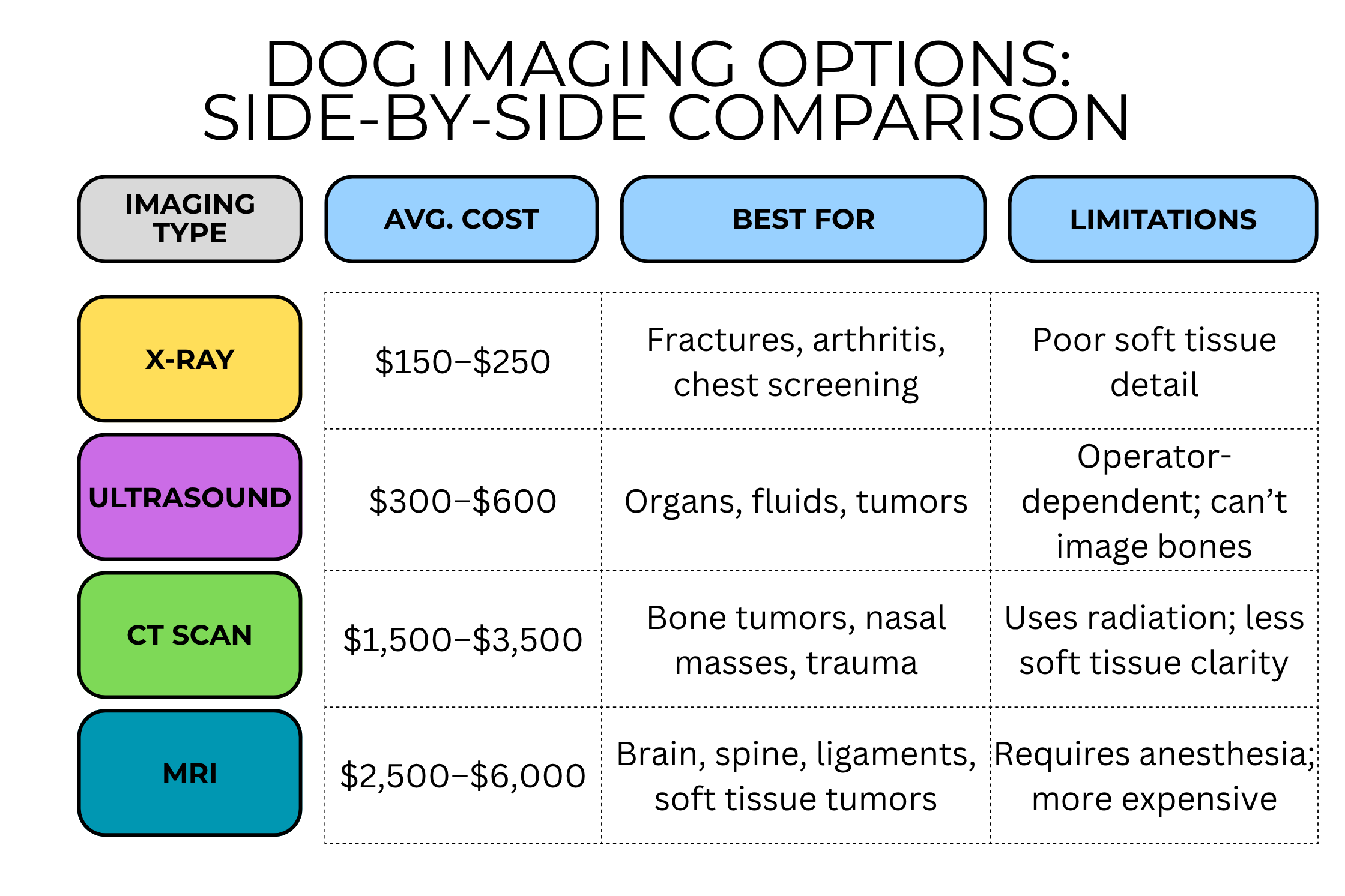
Compare MRI, CT, X-ray, and ultrasound to find the right scan for your dog’s needs.
What to Ask Your Vet or Imaging Center Before Scheduling
Before you agree to an MRI, ask for more than just the total cost. Understanding what's included can help you avoid unexpected add-ons and make a more informed decision. Here's a clear set of questions to ask your veterinarian or imaging provider.
Scan Details
What area of my dog’s body will be scanned?
Will contrast be used during the MRI?
What is the field strength of the MRI machine?
Is this a low-field unit or high-field unit?
Expertise and Oversight
Who will interpret the images?
Is a board-certified veterinary radiologist involved?
Will an anesthesia specialist monitor my dog during the scan?
Timing and Logistics
How long will my dog be under anesthesia?
When can I expect to receive the MRI results?
Will results be reviewed with me or sent to my primary vet?
Pricing and Payment
Can I get a written, itemized quote that includes all services?
Are pre-scan diagnostics like bloodwork or X-rays included?
Do you offer any payment plans or financing options such as CareCredit?
💬 Tip: Don’t be afraid to ask your vet for a referral to an imaging center if the quoted price feels high. Just like in human healthcare, getting a second quote is both common and smart.
Budgeting Tips & Payment Planning
An MRI can be a significant financial commitment, but there are ways to plan ahead and reduce out-of-pocket surprises. These steps can help you manage the cost more confidently.
Explore Payment Options
Ask the imaging center if they accept third-party financing.
Request a written estimate upfront and clarify what is included.
Inquire whether you can split payments over time.
Use Pet Insurance Wisely
Contact your pet insurance company to pre-authorize the procedure.
Ask your vet for the diagnostic code or written notes to support your claim.
Check if your policy covers advanced imaging and anesthesia.
Ways to Save Money On Your Dog’s MRI
Ask your vet if your local veterinary teaching hospital offers MRI at reduced cost for instructional purposes.
Consider standalone imaging centers that specialize in outpatient diagnostics.
Plan for the Unexpected
Set aside an emergency fund for veterinary care.
If cost is a concern, ask your vet whether a stepwise approach is appropriate
For example, start with bloodwork or X-rays before moving on to MRI.
MRI costs can feel overwhelming, but clear communication, preparation, and knowing your options can make a big difference. The goal is to get the best diagnostic clarity for your pet without unnecessary financial stress.
When an MRI Is Worth the Cost
In many cases, early imaging is more than just helpful; it can be the difference between recovery and irreversible damage. A timely MRI often leads to faster diagnosis, targeted treatment, and lower long-term costs.
Here are two real-world examples showing the difference:
A dog with back pain waits three weeks for advanced imaging. In that time, her condition worsens and she becomes paralyzed. Emergency surgery is required, and her prognosis is guarded.
Another dog receives an MRI within 24 hours. The scan identifies a manageable disc issue. With medication and rest, surgery is avoided entirely.
The difference? Timing.
Consider a Standalone Imaging Center Like SVI
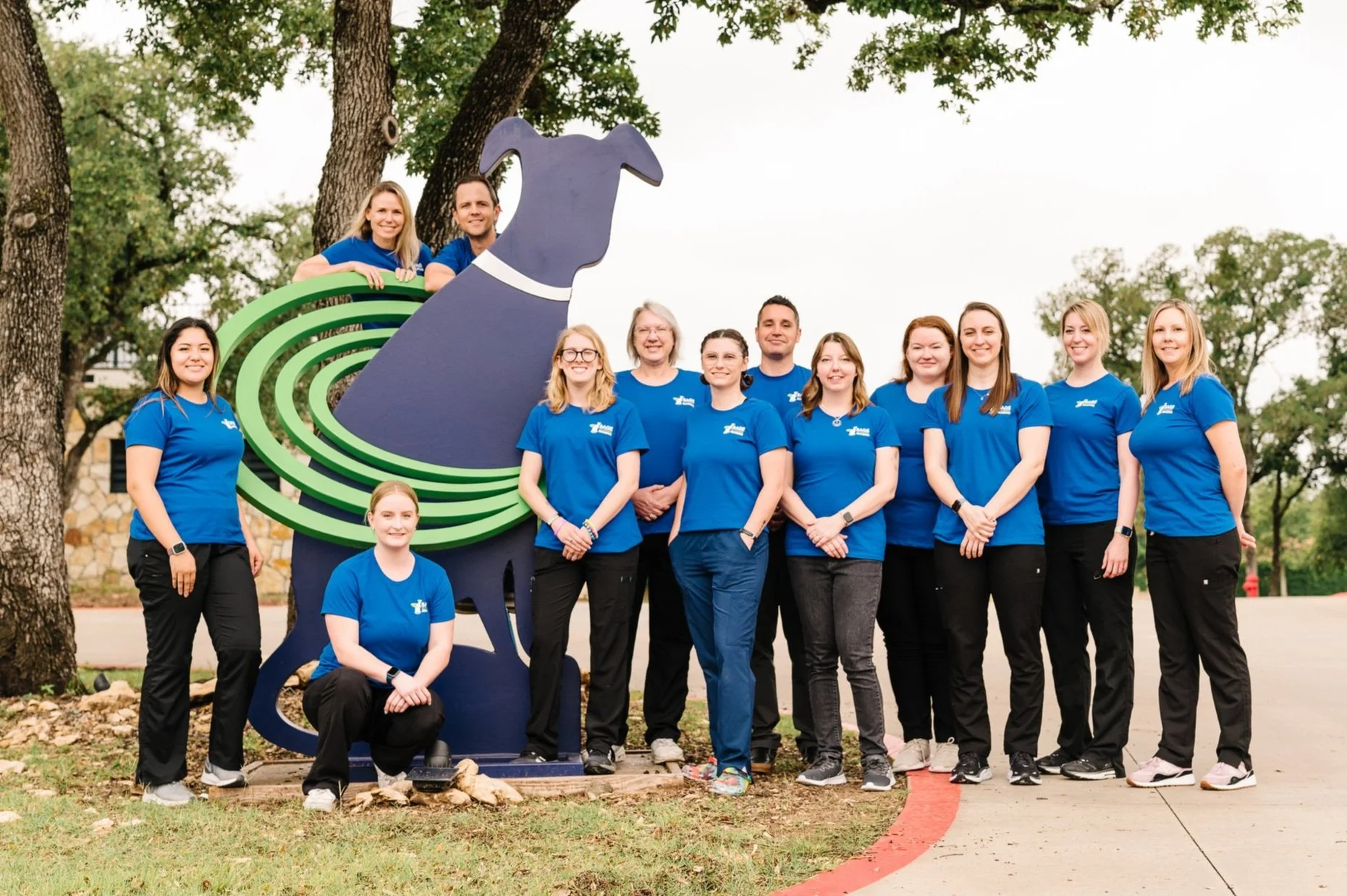
The team at Sage Veterinary includes board-certified radiologists and experts in advanced diagnostic imaging for pets.
Standalone imaging centers like Sage Veterinary Imaging offer several key advantages for pet owners:
Same-day or next-day appointments with high-field 3 Tesla MRI, comparable to technology used in top human hospitals
Lower overall cost than many large specialty or emergency hospitals
All scans interpreted by board-certified veterinary radiologists
Outpatient model means your primary care veterinarian remains your point of contact
Faster answers with less stress for both you and your dog
Final Thoughts
An MRI for your dog is a big decision, but it can be the most effective way to get answers fast, start the right treatment, and minimize suffering.
With costs ranging from $2,500 to $6,000+, understanding your options and knowing what to ask puts you in control.
Bottom line: if your pet is medically stable, and doesn’t require emergency hospitalization, consider outpatient veterinary diagnostic imaging providers like Sage Veterinary Imaging. You’ll save money, enjoy a low-stress clinic experience, and get more precise diagnostic answers to confidently guide your pet’s treatment.