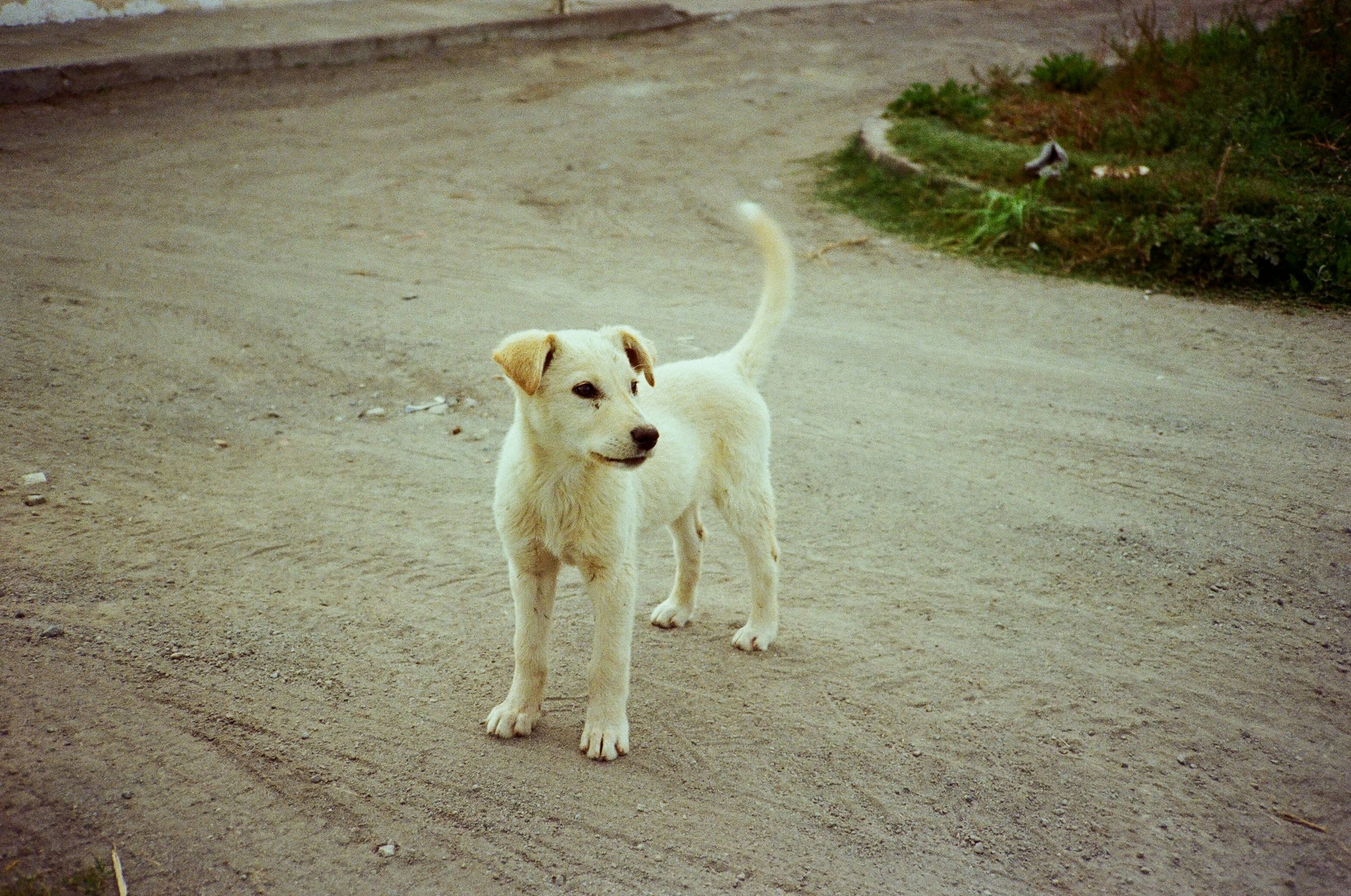
MRI imaging can help identify underlying causes of mobility issues, pain, or neurological symptoms in dogs.
When your veterinarian recommends an MRI for your pet, it’s often because they need a more detailed view of a medical problem affecting the brain, spine, or soft tissues. MRI scans allow veterinarians to diagnose complex conditions that may not appear on X-rays or other imaging tests.
For pet owners searching for a pet MRI near Salt Lake City, advanced veterinary imaging is available just minutes away in Sandy, Utah. Sage Veterinary Imaging provides specialized diagnostic imaging for dogs and cats throughout the Salt Lake Valley, helping veterinarians and pet families get faster, clearer answers.
If your pet may need advanced imaging, here’s what Utah pet owners should know about veterinary MRI near Salt Lake City.
Why Veterinarians Recommend MRI for Pets
MRI (Magnetic Resonance Imaging) is one of the most powerful diagnostic tools available in veterinary medicine. Unlike X-rays, which mainly show bones, MRI produces highly detailed images of soft tissues such as the brain, spinal cord, nerves, muscles, and ligaments.
Your veterinarian may recommend an MRI if your pet is experiencing symptoms such as:
Seizures or unexplained neurological events
Difficulty walking or sudden weakness
Persistent neck or back pain
Loss of coordination or balance
Chronic lameness with no clear cause
Suspected brain or spinal tumors
Because MRI provides such detailed imaging of soft tissues, it is often the most effective way to diagnose neurological and spinal conditions in pets.
Where to Get a Pet MRI Near Salt Lake City
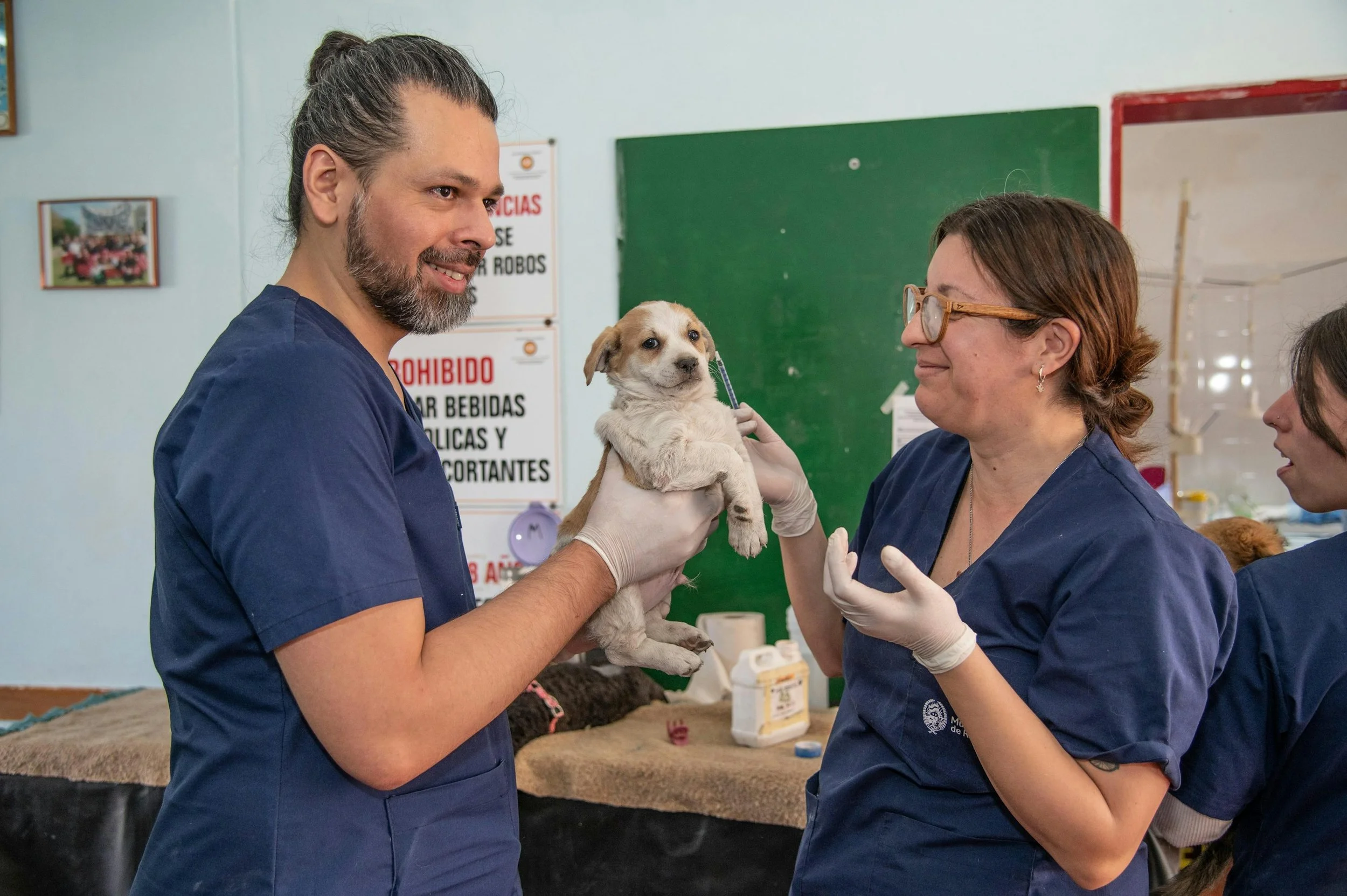
Veterinary teams coordinate advanced imaging like MRI to diagnose complex conditions and guide treatment plans for pets.
Pet owners throughout the Salt Lake City metropolitan area often visit Sage Veterinary Imaging in Sandy for advanced diagnostic imaging.
The Sandy location is easily accessible for pet families traveling from communities across northern Utah, including:
Salt Lake City
Draper
Midvale
South Jordan
Cottonwood Heights
Murray
West Jordan
Park City
Located just off Interstate 15 in Sandy, the imaging center allows many pet owners to reach advanced diagnostics within a short drive from anywhere in the Salt Lake Valley.
What Happens During a Pet MRI
Many pet owners feel nervous when their veterinarian recommends an MRI, but the process is carefully designed to ensure safety and comfort.
A typical veterinary MRI appointment includes several steps.
Medical review
Before the scan, the imaging team reviews your pet’s medical records and consults with your referring veterinarian to determine the best imaging approach.
Anesthesia and monitoring
Because pets must remain completely still during the scan, anesthesia is used. Throughout the procedure, veterinary professionals carefully monitor your pet’s heart rate, breathing, and vital signs.
MRI scan
Your pet is positioned inside the MRI scanner while high-resolution images are captured.
Radiologist interpretation
A board-certified veterinary radiologist reviews the images and provides a detailed diagnostic report for your veterinarian, allowing them to determine the best treatment plan.
Why MRI Quality Makes a Difference
Not all veterinary MRI machines produce the same level of detail. Many clinics use lower-field MRI systems, which can create less detailed images and require longer scan times.
At Sage Veterinary Imaging in Sandy, pets are scanned using a 3-Tesla MRI, the same strength MRI technology commonly used in human hospitals. This advanced imaging system provides several important benefits:
Higher resolution images of the brain and spinal cord
Greater accuracy in diagnosing neurological conditions
Faster imaging that reduces anesthesia time
Improved detection of subtle abnormalities
High-quality imaging helps veterinarians make more confident diagnoses and develop more effective treatment plans.
A Collaborative Approach with Your Veterinarian
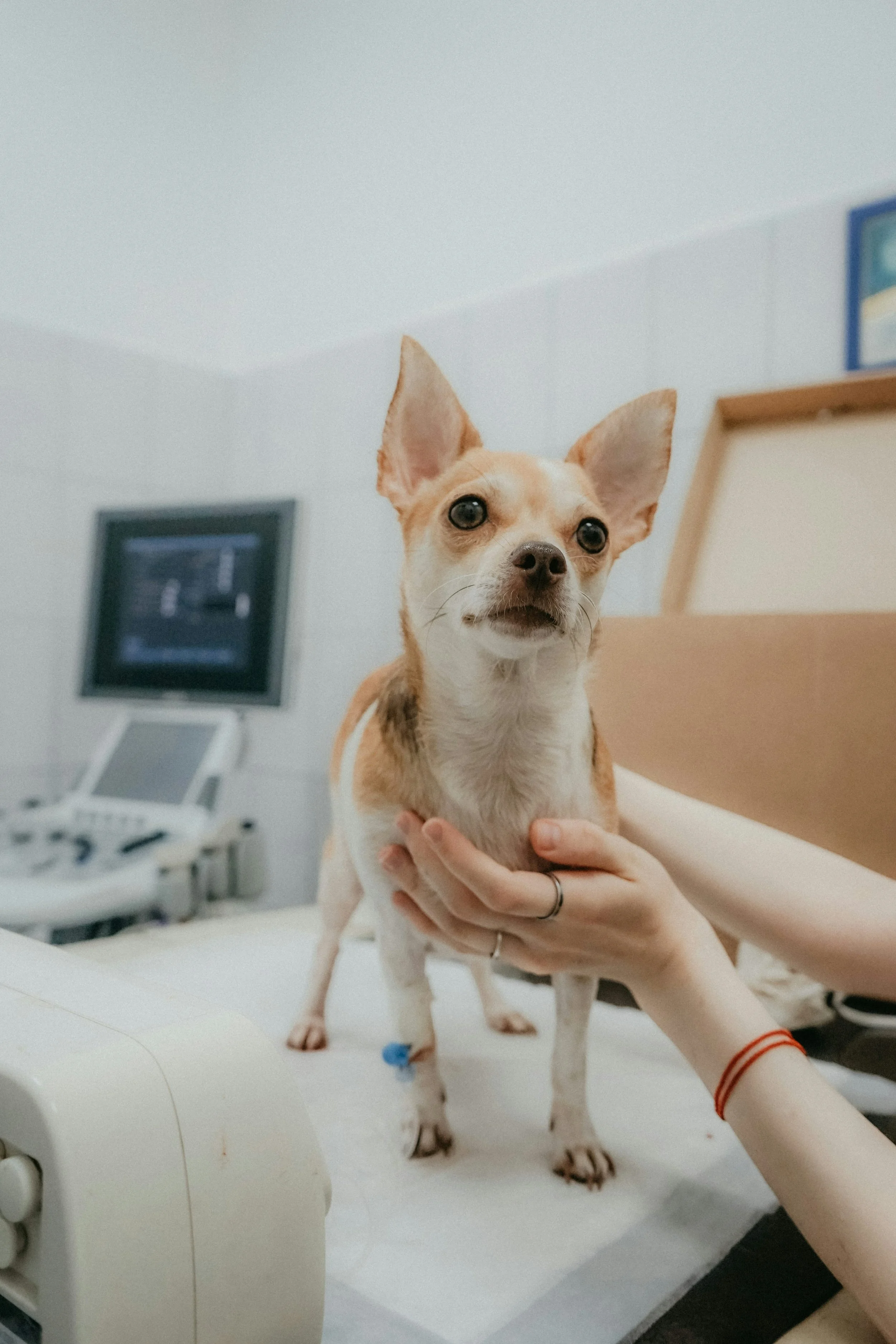
Veterinary MRI helps diagnose neurological and soft tissue conditions in dogs when more detailed imaging is needed.
Sage Veterinary Imaging operates as an outpatient diagnostic imaging center, meaning the clinic focuses entirely on advanced imaging rather than surgical or emergency services.
This model provides several advantages:
Faster scheduling for imaging appointments
A streamlined visit focused solely on diagnostics
Collaboration with your primary veterinarian
Rapid reporting to guide treatment decisions
Your regular veterinarian remains the primary doctor managing your pet’s care, while the imaging specialists provide the advanced diagnostics needed to clarify the diagnosis.
Conditions MRI Can Help Diagnose
MRI is particularly valuable for diagnosing diseases affecting the nervous system and musculoskeletal system.
Common conditions evaluated with MRI include:
Intervertebral disc disease (IVDD)
Brain tumors or inflammation
Spinal cord compression or injury
Nerve damage
Degenerative neurological diseases
Soft tissue injuries
Because MRI provides extremely detailed images of internal structures, it often reveals the cause of symptoms that are otherwise difficult to diagnose.
Advanced Pet MRI in the Salt Lake Valley
Sage Veterinary Imaging’s Sandy location serves pet families throughout the greater Salt Lake City region, providing advanced imaging services for dogs and cats across northern Utah.
The clinic works closely with veterinarians across the region to ensure pets receive accurate diagnostic imaging while maintaining continuity of care with their primary veterinary team.
Helping Utah Pets Get Clear Answers
Is anesthesia required for a pet MRI?
Yes. Because pets must remain completely still during the scan, anesthesia is used and carefully monitored by veterinary professionals.
How long does a pet MRI take?
Most MRI scans take between 30 minutes to an hour, depending on the area being evaluated.
When pets experience neurological symptoms, mobility problems, or unexplained pain, advanced imaging can provide the clarity veterinarians need to determine the best treatment plan.
At Sage Veterinary Imaging near Salt Lake City, our team focuses on delivering high-quality diagnostic imaging with efficiency, compassion, and expertise so veterinarians and pet families can move forward with confidence.
If your veterinarian recommends an MRI for your pet, advanced diagnostic imaging is available nearby in Sandy to help get the answers your pet needs.