The Cancer Crisis in Golden Retrievers No One is Talking About

Golden Retrievers are at higher risk for cancer, but early action and preventative screenings can help.
If you share your life with a Golden Retriever, you know they bring joy, loyalty, and boundless energy. But beneath that sunny personality lies a serious, often overlooked health threat: this breed faces one of the highest cancer rates of any dog breed, and the risk shows up earlier than many pet owners realise.
So what’s going on? Why is this breed so vulnerable? What can you, as a pet‑parent (or referring veterinarian), do proactively? Let’s walk through what the research shows, how imaging at SVI can help, and practical next steps geared for your Golden’s health.
Why Golden Retrievers Are at Unusually High Cancer Risk
Golden Retrievers have been family favourites for decades thanks to their intelligence, friendly nature, and willingness to please. But with popularity comes consequences: intense breeding to preserve looks and temperament may have inadvertently increased vulnerabilities, especially to cancer.
Some of the hard data:
A landmark study found that three out of every four Golden Retrievers in a large U.S. cohort died from cancer—the highest rate of any breed recorded.
Of those cancer deaths, about 70% were due to hemangiosarcoma, a fast‑moving, often silent cancer of blood vessels. (Source: Nelson & Faquin, Cancer Cytopathology, 2024)
There’s also a geographic difference: American‑bred Goldens (≈61.4% cancer mortality) vs. European‑bred lines (~38.8%) in certain data sets—suggesting breeding approach, gene pools or environment might matter. (ImpriMed, 2023)
So what’s behind this elevated risk? It’s likely a combination of factors:
Genetic predisposition (breed‑specific vulnerabilities)
Breeding practices that may reduce genetic diversity
Environmental exposures (diet, chemicals, lifestyle)
Early age of onset for some cancers
What Types of Cancer Are Most Common in Golden Retrievers?
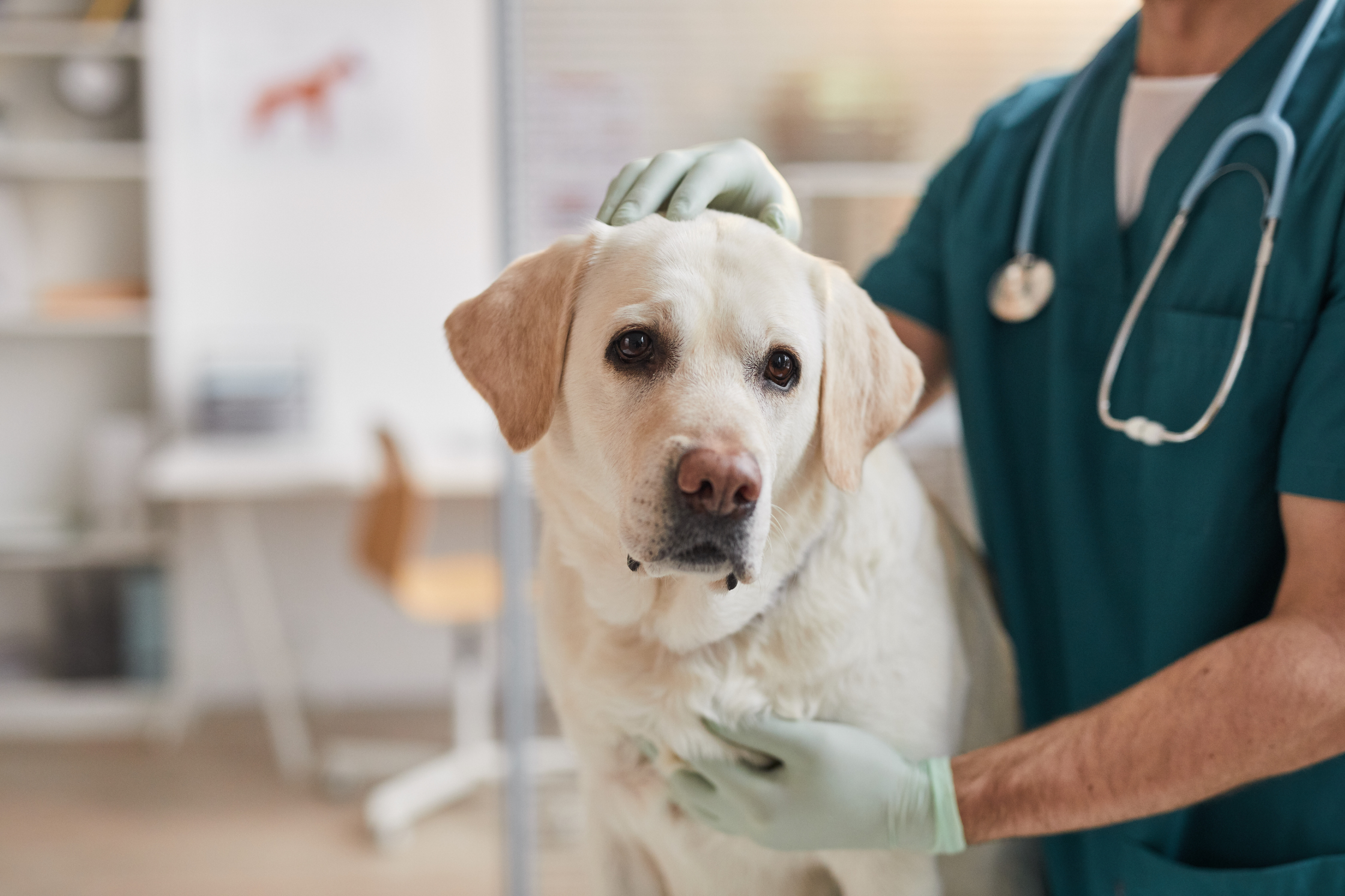
Some cancers are more common in Golden Retrievers than any other breed.
Golden Retrievers are unfortunately one of the most cancer-prone dog breeds. Multiple studies have shown that cancer is not just a possibility—it’s the most likely cause of death for this breed. The most common malignancies seen in Goldens include:
1. Hemangiosarcoma
Hemangiosarcoma is an aggressive cancer of the blood vessel lining and is the leading cause of cancer deaths in Golden Retrievers.
Prevalence:Prevalence: One study estimated it caused up to 70% of cancer deaths in this breed; another necropsy series found hemangiosarcoma in 22.6% of cancer‑related deaths in Goldens. (Nelson & Faquin, 2024, Kent et al., 2018)
Common sites: Spleen, liver, heart
Age of onset: Typically 8 years and older, though earlier cases exist
Progression: Often silent until a sudden internal bleed or collapse
What you should know: Any sudden collapse, weakness, large abdomen, or unexplained bleeding in a Golden should raise an immediate referral flag.
2. Lymphoma
Lymphoma is a cancer of the lymphocytes and can affect lymph nodes, organs, or bone marrow. Golden Retrievers have the highest breed-specific prevalence.
Prevalence: Prevalence: Golden Retrievers represent approximately 9.25% of all canine lymphoma cases (in some data sets) and 18.4% of cancer deaths in necropsy‑confirmed populations. (ImpriMed, 2023, Kent et al., 2018).
Age of onset: Typically appears between 6–9 years of age.
Forms: Can be B-cell or T-cell, with the T-cell form (T-zone lymphoma) being more common in Goldens.
Progression: Varies; B-cell lymphomas tend to respond better to treatment, while T-cell types may be more resistant.
🩺 Note on T-Zone Lymphoma: Golden Retrievers are disproportionately affected by T-zone lymphoma, a slow-progressing, indolent form of T-cell lymphoma. While it typically carries a better prognosis and may not always require aggressive treatment, accurate diagnosis is key to avoid unnecessary chemotherapy. (Ruple et al., 2017)
3. Osteosarcoma
A bone cancer more often seen in large breeds, including Goldens.
Common locations: Long bones (legs)
Age of onset: Usually middle‑aged to older dogs, but earlier in some high‑risk genetics
Progression: Fast growth, quick spread (often to lungs)
What you should know: Persistent limping, swelling of bone, or unusual pain warrant advanced imaging.
4. Mast Cell Tumors (MCTs)
These skin‑based cancers vary widely, from benign to aggressive.
Prevalence: Frequently diagnosed in Goldens, sometimes malignant
Age of onset: Common between 7‑9 years
Behaviour: Ranges from small, slow‑growing skin lumps to aggressive systemic spread
What you should know: Any new lump on a Golden, even if small, should be checked; when cutaneous, MCTs may be manageable if caught early.
How Early Imaging Helps Detect Cancer In Dogs
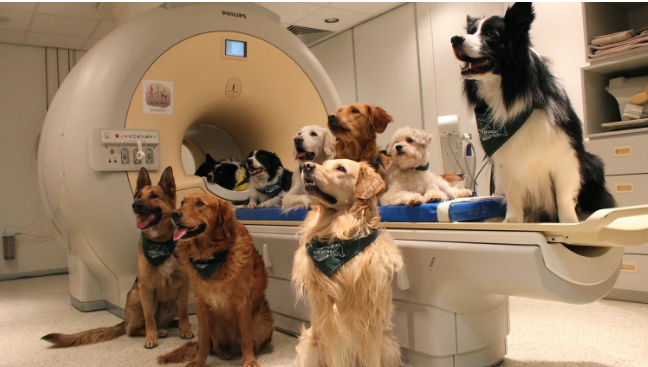
All dog breeds, especially older pets, benefit from more frequent checkups and early imaging.
For breed‑specific cancers like hemangiosarcoma, early detection can make dramatic differences. What used to be “silent” until collapse can now be found proactively with advanced imaging, and earlier treatment often equals better quality of life.
At Sage Veterinary Imaging, we specialise in diagnostics for high‑risk breeds. Here’s how your Golden benefits:
MRI (Magnetic Resonance Imaging): Excellent for soft‑tissue evaluation—liver, spleen, heart, spine. At SVI we use a Philips 3T high‑field MRI with 3‑D reconstruction for comprehensive views.
CT (Computed Tomography): Ideal for staging, lung/bone spread, metastasis screening. 3‑D reconstruction helps visualise tumour burden.
Ultrasound & advanced radiography: Great earlier or as adjuncts—e.g., splenic/liver scanning, guiding biopsies.
These modalities work together; MRI for soft‑tissue detail, CT for bones/lungs, ultrasound for targeted organ screening.
How Imaging Fits into a Comprehensive Diagnostic Path
Start with your vet. Routine checkups, especially after age five, help catch early warning signs. Bloodwork and physical exams are key.
Get referred if there’s a concern. If your vet notices something unusual, like collapse, swelling, or an abnormal ultrasound, they may recommend imaging.
Come to SVI for answers. We use MRI, CT, and ultrasound to spot early signs of disease, especially in high-risk breeds like Goldens. Our radiologists know what to look for.
Guide the next steps. If needed, imaging helps guide a biopsy or further testing. We also check for spread, which is crucial for treatment planning.
Share clear results. You and your vet get a detailed report with clear findings and next steps, so you can make confident decisions for your dog’s health.
What Pet Owners & Referring Veterinarians Should Know

Being proactive with care helps your Golden live a longer, healthier life.
Screening Recommendations
For Golden Retrievers, begin more frequent wellness checks around age 5. Visit the vet twice a year from age 5. Once age 8‑9 is reached, consider 3-4 visits per year (wellness plus targeted diagnostics) given the higher malignancy risk in this breed.
Lifestyle factors may also modulate risk: emerging research suggests that physical activity frequency and pace may influence cancer incidence in dogs.
What Pet Owners Can Do
Keep up with regular wellness examinations; mention the breed’s elevated cancer risk to your veterinarian.
Be alert for warning signs: sudden collapse, unexplained weakness, new lumps or bumps, bleeding (especially from spleen/abdomen in Goldens).
Ask about advanced imaging earlier rather than later if any suspicious signs appear.
Maintain a healthy lifestyle for your dog: regular exercise, weight management, minimised toxin exposure (e.g., avoid smoking around pets, maintain clean water).
What Referring Veterinarians Can Do
Recognise the breed‑specific risk of cancer in Golden Retrievers and consider early referral for imaging when signs are equivocal.
Partner with SVI by requesting advanced imaging when organ masses, lytic bone lesions, or suspicious ultrasound findings appear.
Ensure imaging reports come from a centre with veterinary‑radiologist interpretation (not just human radiology) to tailor for canine anatomy and risk profiles.
Maintain communication loop: vet to SVI imaging report to vet/oncologist treatment plan.
Why Specialized Imaging Reports Matter
For breeds like the Golden Retriever, generic imaging may miss subtle findings relevant to high‑risk cancers (e.g., early hemangiosarcoma in spleen or heart). A veterinary‑certified radiologist experienced with breed‑specific oncologic patterns enhances diagnostic accuracy and improves outcomes.
FAQ: Related Questions Pet Owners Ask
Q: How much does a dog MRI cost?
A: Costs vary by region and sedation/anesthesia needs, but for a large‑breed dog (Golden), MRI + contrast may range from $3,000 at an outpatient imaging center like SVI to $5000 at a specialty hospital. While this is significant, for a high‑risk breed the cost may be justified by earlier detection of treatable disease.
Q: Should my Golden Retriever get a cancer screening? How often should my Golden Retriever get imaging?
A: As above, consider starting baseline imaging around age 5, then annual or biannual thereafter, increasing to every 6‑9 months if high risk or prior abnormal findings.
Q: Is cancer inevitable for Golden Retrievers?
A: No. “high risk” does not mean “always will happen.” Some Goldens live into their teens with no cancer. Research into protective genes (e.g., HER4/ERBB4) shows resilience factors can exist.
Q: What are signs of cancer to watch for in Golden Retrievers?
A: Sudden collapse, enlarged abdomen, persistent bleeding, new lameness especially in older large‑breed dogs, unexplained weight loss, lumps growing rapidly.
Q: Can imaging detect cancer early enough to make a difference?
A: Yes, particularly when paired with vigilant clinical monitoring, breed‑aware risk protocols, and rapid referral to imaging/oncology services.
Key Takeaways & How SVI Supports Golden Retriever Health

Meet the compassionate team behind Sage Veterinary Imaging, dedicated to delivering fast, advanced diagnostics for your pet.
Golden Retrievers face an elevated cancer risk. The most common cancers (hemangiosarcoma, lymphoma, osteosarcoma, mast cell tumour) can be aggressive. Early detection through advanced imaging and diagnostics is a cornerstone of improving outcomes in this breed.
At Sage Veterinary Imaging, we provide:
Research‑grade 3T high‑field MRI with 3‑D reconstruction and advanced CT staging protocols.
Board‑certified veterinary radiologists experienced in canine oncology imaging.
A streamlined diagnostics path bridging pet owners, referring veterinarians, imaging, and oncology care.
A commitment to breed‑aware screening strategies, clear reporting, and collaborative care planning.
If you’re concerned about your Golden Retriever’s risk for cancer, especially if they’re over 5 years old or showing any of the warning signs, consider contacting SVI for a consultation or screening imaging. Early action can make a meaningful difference.