
What If Your German Shepherd’s Back Pain Isn’t Just Aging?
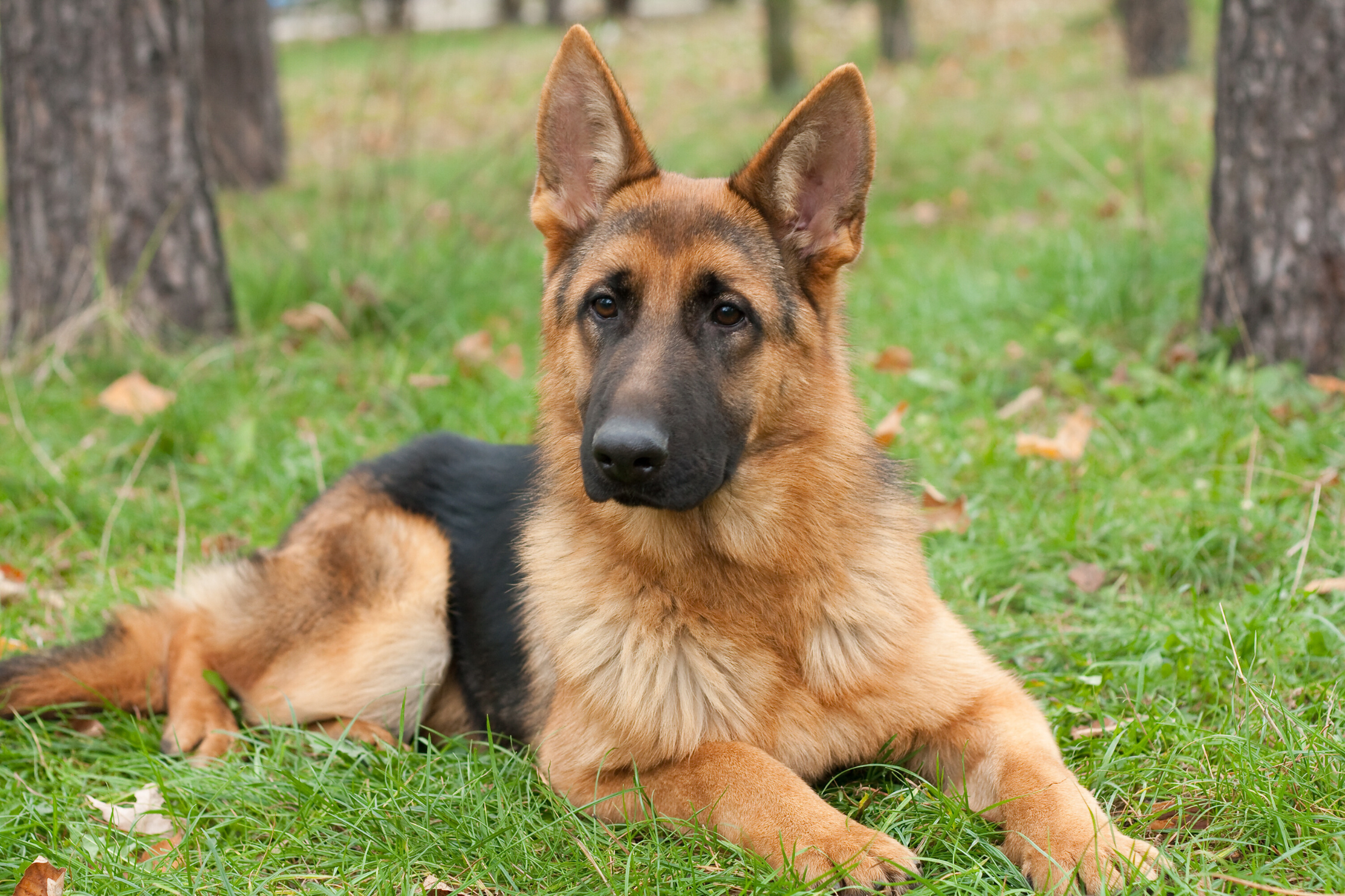
Lumbosacral disease in German Shepherds often mimics arthritis, but advanced imaging can reveal the true cause.
When your German Shepherd starts slowing down or struggling to get up, it’s easy to assume it’s just old age or hip arthritis. But what if it’s something more specific—and more treatable?
Lumbosacral disease (LD) in German Shepherds is a common yet underdiagnosed condition that can cause pain, mobility issues, and even neurological signs. With the help of advanced imaging like MRI and CT, we can pinpoint the exact cause of your dog’s discomfort and guide the right treatment plan, often before symptoms become severe.
At Sage Veterinary Imaging, we specialize in diagnosing complex spinal conditions, and this one is especially important to catch early in large breeds like German Shepherds.
What Is Lumbosacral Disease in German Shepherds?
Lumbosacral disease refers to a group of disorders affecting the junction between the last lumbar vertebra and the sacrum, where the spine meets the pelvis.
The most common form is degenerative lumbosacral stenosis (DLSS), in which spinal structures put pressure on the cauda equina (nerve roots exiting the spinal canal).
This condition is especially prevalent in active, large-breed dogs.
German Shepherd back pain causes often include a mix of:
Genetics
Conformation
Physical stress on the spine over time
Signs and Symptoms of Lumbosacral Disease in German Shepherds
Watch for signs such as:
Hesitancy to jump into the car or onto furniture
Weakness in the back legs
Tail pain or reluctance to wag
Difficulty rising or climbing stairs
Pain when touching the lower back
Occasional incontinence in advanced cases
These symptoms often overlap with hip dysplasia, which is also common in this breed. But unlike arthritis, lumbosacral disease involves nerve compression, not just joint inflammation.
How MRI and CT Help Diagnose Canine Lumbosacral Disease
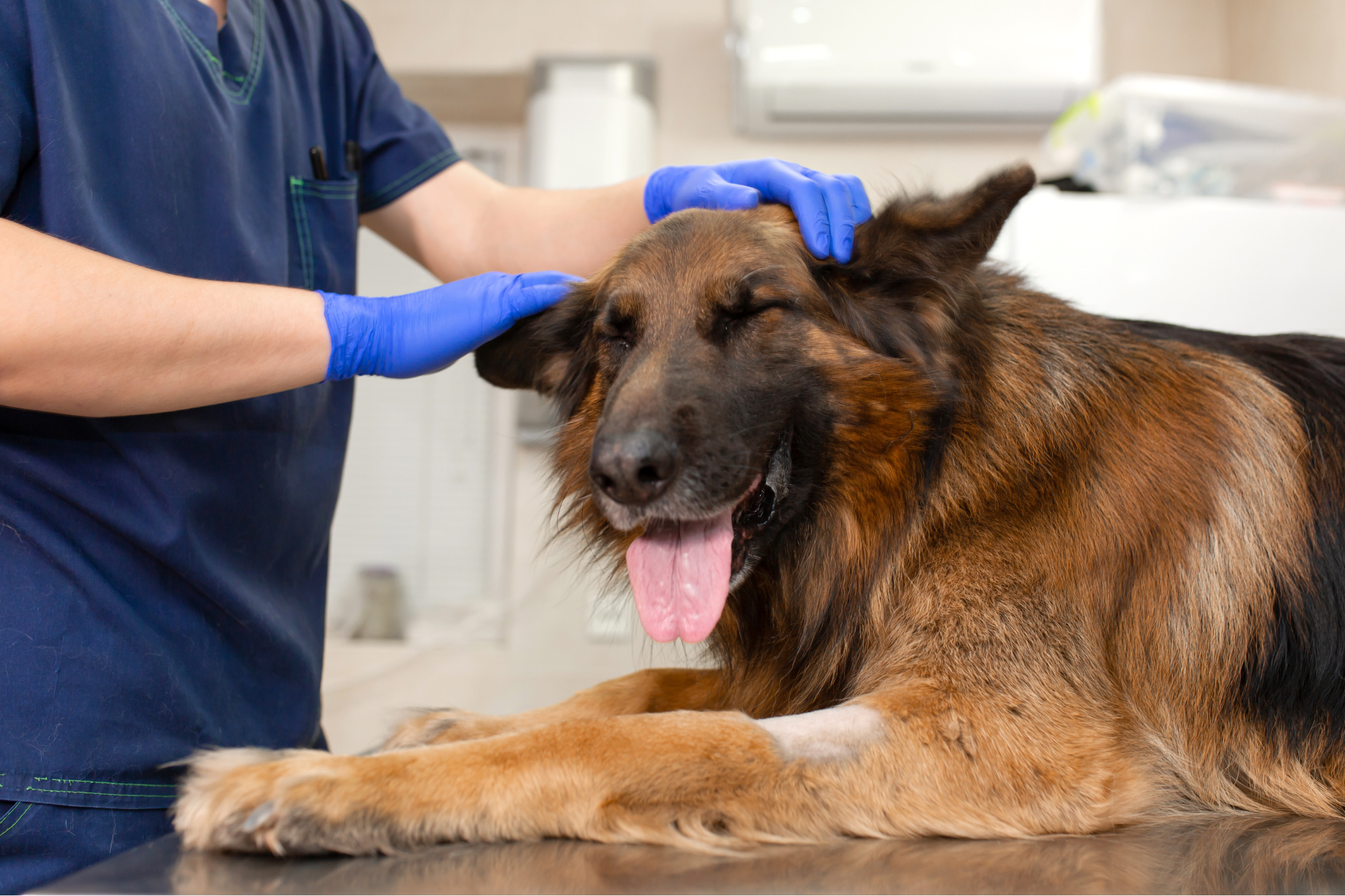
MRI is essential for identifying nerve root compression in DLSS cases.
Physical exams and X-rays can give clues, but they can’t show what's happening inside the spinal canal. That’s where advanced imaging makes all the difference.
MRI excels at visualizing nerve roots, intervertebral discs, and soft tissues. It’s the gold standard for detecting cauda equina syndrome in dogs.
CT, especially when paired with contrast, provides high-resolution views of the bones and helps assess changes in the lumbosacral joint structure.
These tools are especially useful when other conditions, like hip dysplasia or arthritis, are also present, helping us identify which issue is causing the most discomfort.
Treatment Options for Degenerative Lumbosacral Stenosis in Dogs
With early treatment, many German Shepherds regain comfort and function.
Treatment depends on how advanced the condition is and how much pain or dysfunction is present:
Non-surgical options include:
Anti-inflammatory medications (NSAIDs or steroids)
Neuropathic pain relievers like gabapentin
Weight control and activity modification
Physical therapy and laser therapy
Surgical options may be needed if:
Pain is unmanageable with medication
There’s significant nerve compression
The dog has progressive neurologic signs or incontinence
Surgical decompression, such as a dorsal laminectomy, often brings significant improvement, especially when done early.
Why Back Pain in German Shepherds Isn’t Always Just Aging
German Shepherds often hide pain until it starts affecting their movement and quality of life.
Because German Shepherds are stoic, early signs of DLSS may go unnoticed or be misattributed to aging. But unlike general stiffness, this condition involves progressive nerve involvement, and delay in diagnosis can worsen the outcome.
That’s why it’s so important to pursue imaging early, especially if:
Symptoms are worsening
Pain isn’t responding to medication
The dog has both hip and spine issues
Imaging gives a complete view of what's going on and helps tailor a precise, effective treatment plan.
Take-Home Message: Early Imaging, Better Outcomes
Lumbosacral disease in German Shepherds is more than just back pain. It’s a serious, progressive condition that can significantly impact quality of life—but early detection changes everything.
If your German Shepherd is showing signs of back pain, weakness, or reluctance to move, don’t assume it’s just aging. A targeted MRI or CT scan can provide clarity and set your dog on the path to recovery and comfort.
Contact Sage Veterinary Imaging today to learn how we can help your dog move better, feel better, and get back to being their energetic, loyal self.