Sage Veterinary Imaging Blog
Pet Health & Advanced Veterinary Imaging
Categories
- CCL Surgery
- CT
- Cancer
- Case Studies
- Cat Health
- Cognitive Dysfunction
- Cost of Care
- Dog Health
- Education
- FAQ
- IVDD
- Industry Trends
- Joint Health
- Lumbosacral Disease
- MRI
- Neurological Disease
- Neurology
- Neurosurgery
- Outpatient Imaging
- Payment
- Pet Health
- Pet Insurance
- Pet Parent Guide
- Pet Parent Guides
- Procedures & Treatments
- Referring Veterinarians
- Symptom & Treatment Guides
- Ultrasound
- Veterinary Imaging Guides
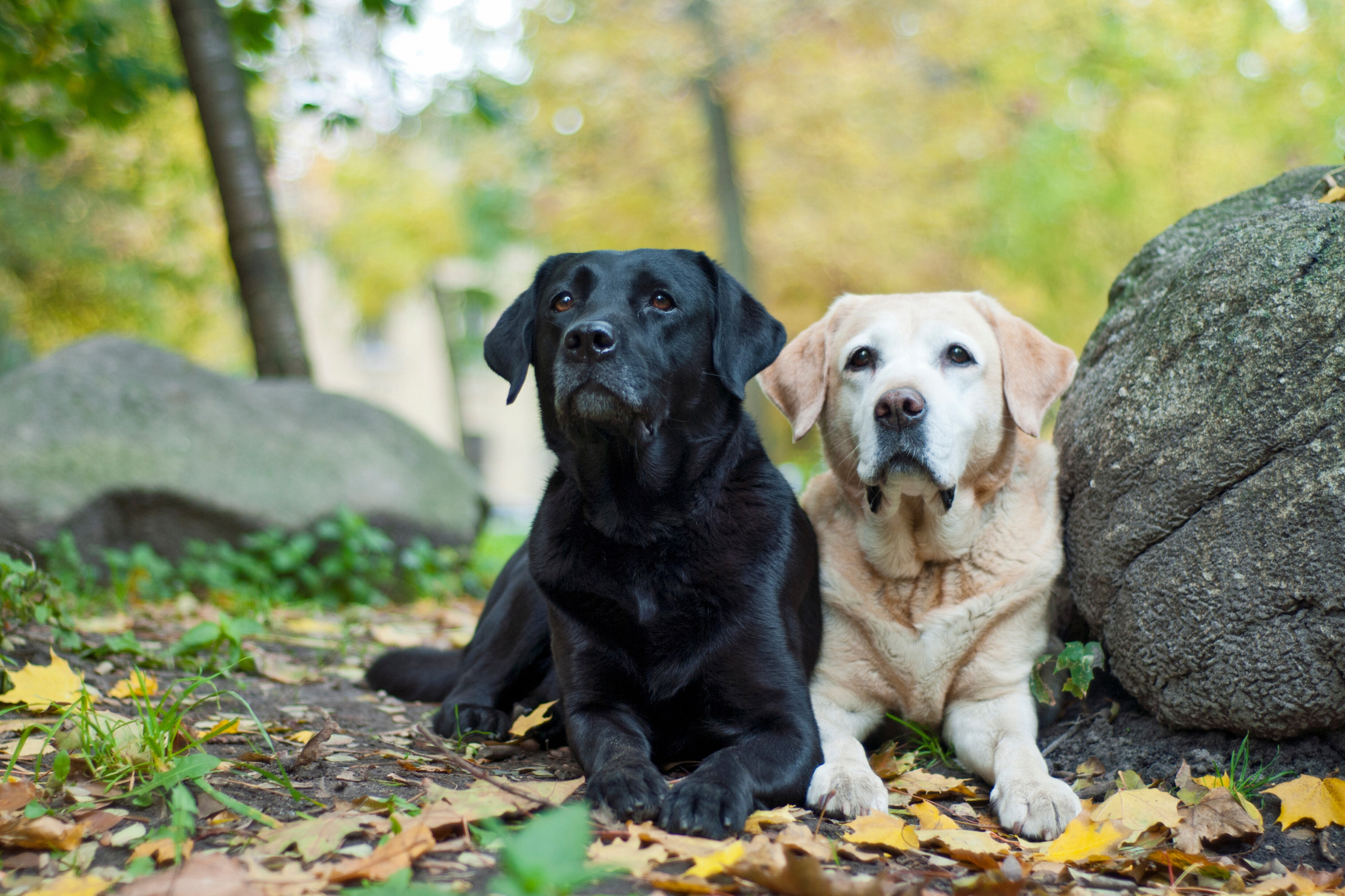
The One Diagnosis That Keeps Vets Up at Night for Labs and Goldens
Hemangiosarcoma doesn’t announce itself. It hides. This article explains why Labs and Goldens are at higher risk, how subtle symptoms are missed, and what imaging can reveal before a sudden emergency forces you to make impossible decisions.
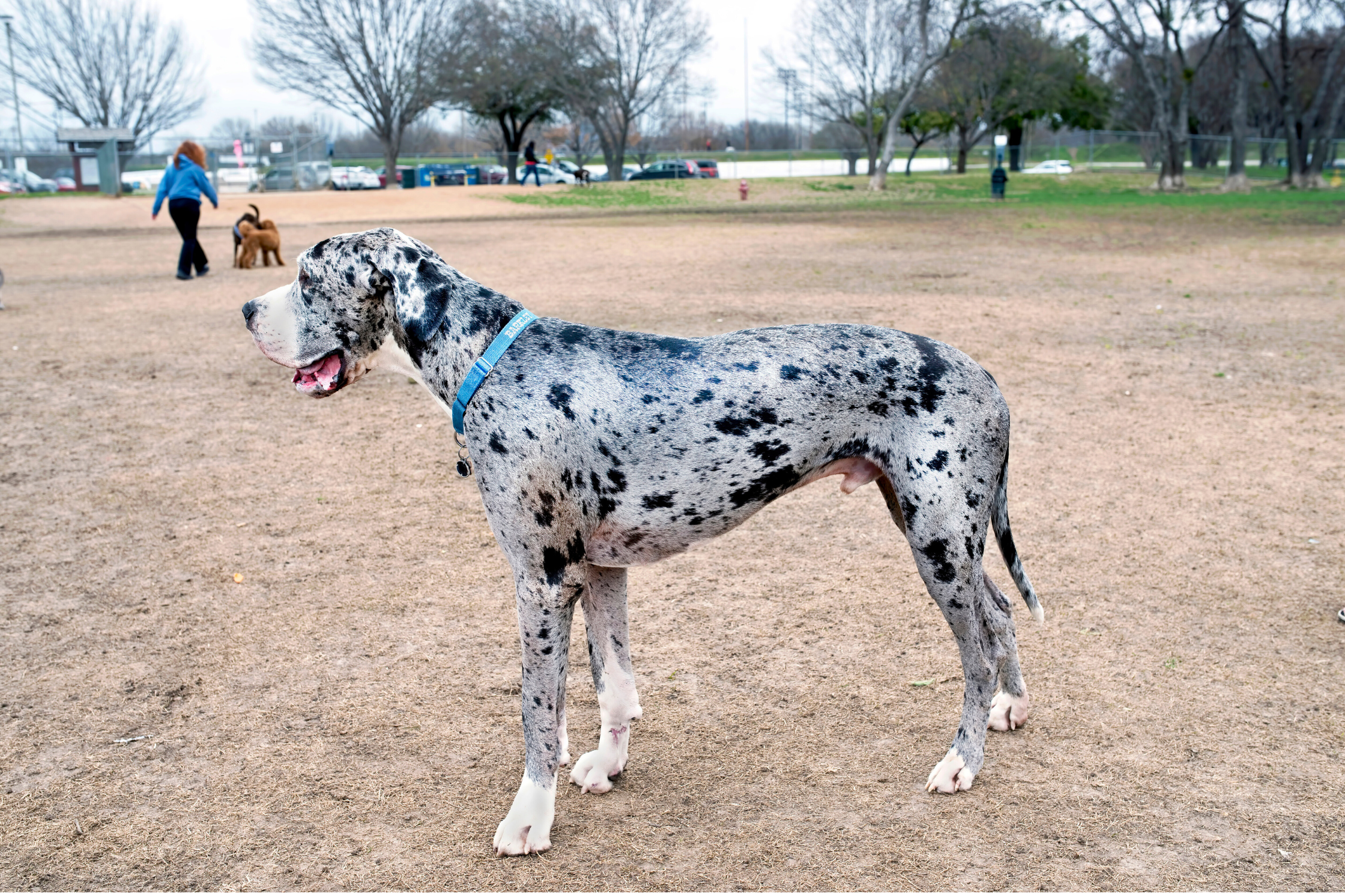
Why Some Great Danes Struggle to Walk (and How Imaging Can Help)
A wobbly gait in a Great Dane isn’t always “just hips.” This blog breaks down why neurologic diseases like Wobbler syndrome are often involved. Learn how imaging uncovers the hidden cause, and what early diagnosis can change for your best friend’s comfort and future.

Understanding Chiari Malformation in Cavalier King Charles Spaniels
Is your Cavalier yelping or scratching at nothing? It might not be quirky behavior. It could be Chiari-like malformation. This blog gives you the signs, imaging insights, and treatment options so you can be the most informed Cavalier parent at the park.
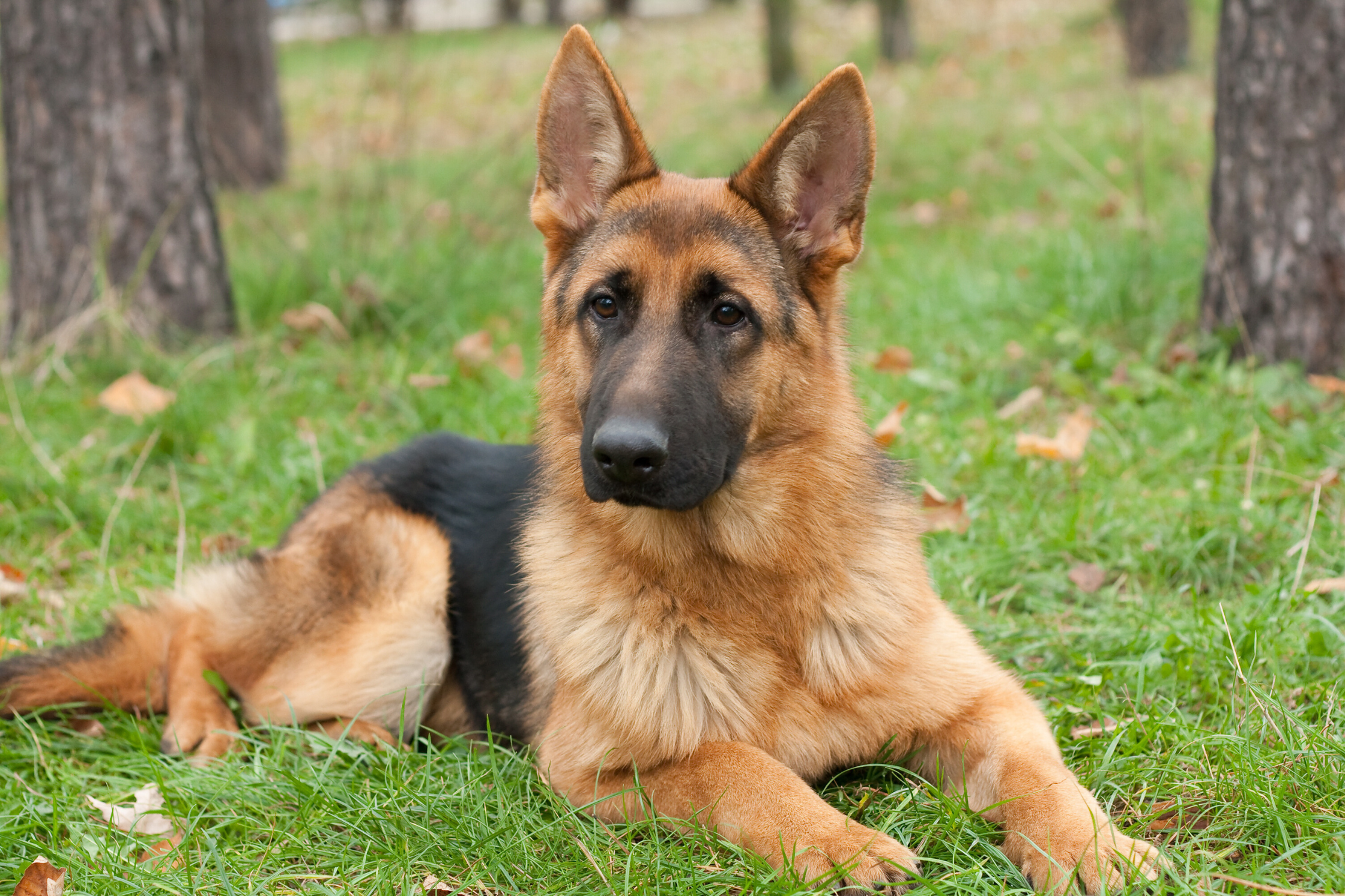
What If Your German Shepherd’s Back Pain Isn’t Just Aging?
Your German Shepherd used to leap into the car. Now they hesitate, struggle, or seem sore. This deep dive explains why back pain isn’t always aging, how spinal nerve disease sneaks in, and what imaging can reveal before it worsens.

Radiographic Case Review: Pulmonary Metastatic Disease in a Young Australian Cattle Dog
A 4-year-old Australian Cattle Dog came in tired with a small bump, but X-rays told a bigger story. Walk through this real case step by step, learn how vets spot pulmonary metastases, and see why three-view radiographs can change everything for diagnosis.

High Field vs. Low Field MRI–Which is Right for Your Pet?
Find out why not all MRIs are created equal! High-field MRI provides the clarity needed to spot serious pet health issues that low-field systems might miss. Learn how choosing the right MRI means quicker answers, better care, and peace of mind for you and your furry friend.

FAQ: What can the doctor see during an MRI scan?
MRI offers a detailed look at your pet’s brain, spine, and soft tissues, revealing conditions other scans can miss. Learn how this advanced imaging technology helps veterinarians diagnose complex issues and guide effective treatment plans.

FAQ: Will my pet be anxious without me during their scan?
Every pet deserves a stress-free experience. Through gentle anesthesia and constant monitoring, our team keeps your pet calm and safe from start to finish, so you can relax knowing they’re cared for like family.

Q&A with a Vet: MRI for Dogs & Cats
We asked our board-certified veterinarians your most pressing questions about MRI for pets. Learn how MRI scans work, what they detect, how long they take, and why they’re a safe, non-invasive way to get clear answers about your pet’s health.

Hunting Joint Relief for Your Hunting Dog? MRI Can Help
Explore how advanced MRI scans diagnose injuries in hunting dogs like German Shepherds and Belgian Malinois. Discover how imaging reveals joint, muscle, and mobility issues, ensuring your hardworking companion stays healthy and active—ready for their next adventure!