Sage Veterinary Imaging Blog
Pet Health & Advanced Veterinary Imaging
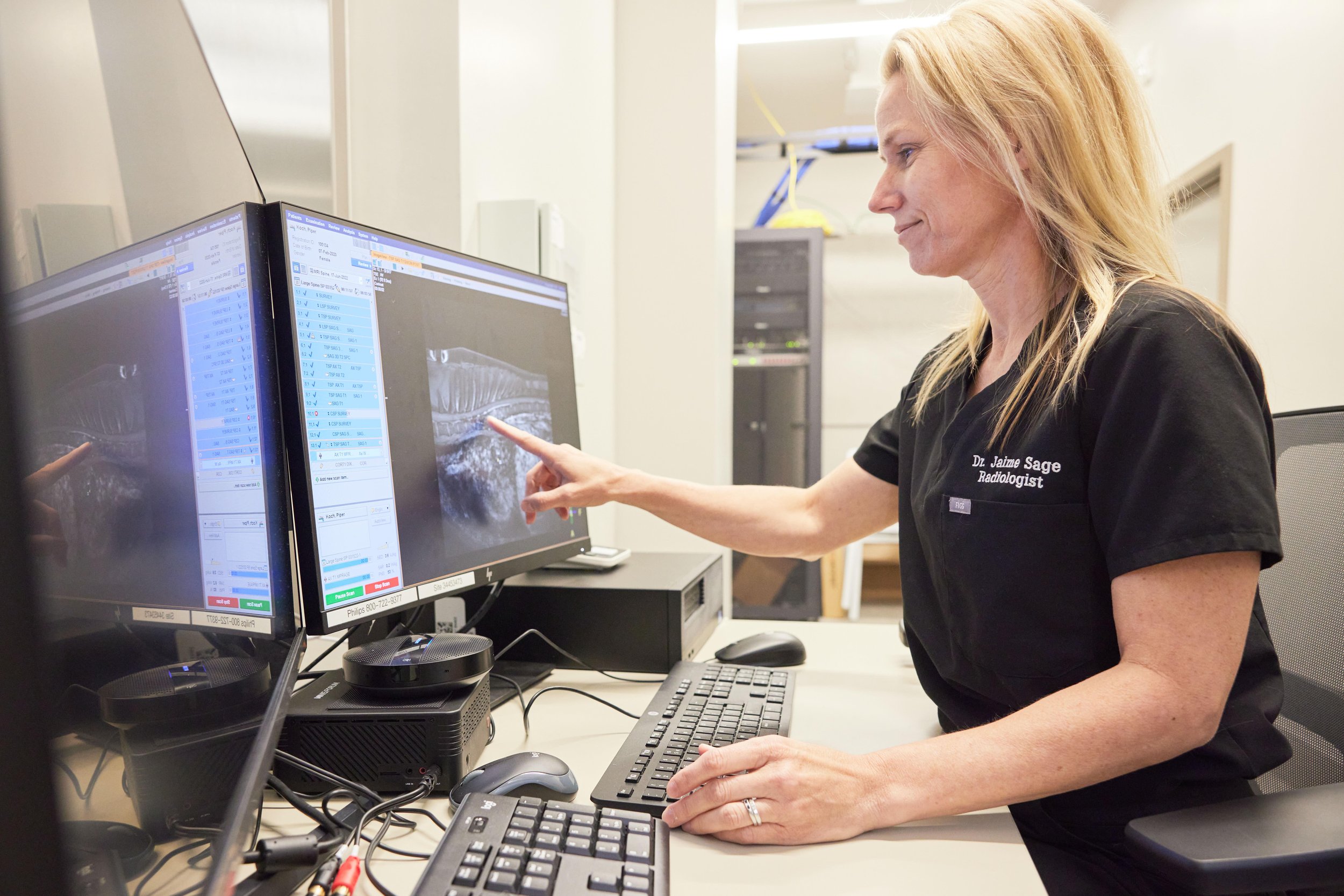
FAQ: Why does my pet need a CT scan?
CT scans use rotating X-rays to create 3D images of your pet’s body, revealing bone injuries, tumors, or hidden disease with remarkable clarity. Discover how this advanced imaging tool helps veterinarians diagnose and plan treatment with confidence.

Parallels Between Human & Veterinary Imaging Innovation
For decades, veterinary imaging has followed the lead of human medicine, and outpatient centers are no exception. This blog breaks down what’s changing, why it matters, and how these advances are making life easier for you and your pets.

Radiation Risk Levels: What Vet Imaging & Flying Have in Common
Is imaging safe for your pet? This blog compares anesthesia and radiation risks to flying—yep, it’s that minor. Learn how to make confident choices, ask the right questions, and give your pet the care they deserve with zero second-guessing

Your Pet’s Ultrasound Came Back “Normal”...Now What?
Your pet’s ultrasound came back normal…but something still feels off. Learn what that really means, when to consider advanced imaging, and why a CT could uncover the answers you need to make the best call for your pet’s care.
The Pet Parent’s Guide to Intestinal Blockages in Cats & Dogs
When your pet stops eating or can’t hold down their dinner, it could be more than an off day—it might be a GI blockage. This blog walks you through the red flags, what vets look for, and how advanced diagnostics help get your pet back on track.
FAQ: How are my pet’s images and results shared with my regular vet?
Seamless communication means better care. Your veterinarian gets detailed imaging results within 24 hours, and specialists can access scans the same day — keeping every doctor informed and your pet’s treatment moving forward without delay.

CT Scans for Pets: FAQ Guide
Learn how CT scans provide clear, 3D images to diagnose issues in pets, from nasal tumors to orthopedic conditions. Discover the benefits of high slice count scanners, what to expect during a CT appointment, and how this advanced imaging improves your pet’s care.

3T MRI in Action: Case Studies Every Pet Owner Should Read
Some pet injuries aren’t as simple as they seem. Explore three real-world-inspired veterinary case studies where MRI uncovers hidden injuries, tumors, and infections that standard imaging missed, leading to faster, more effective treatment for dogs and cats.
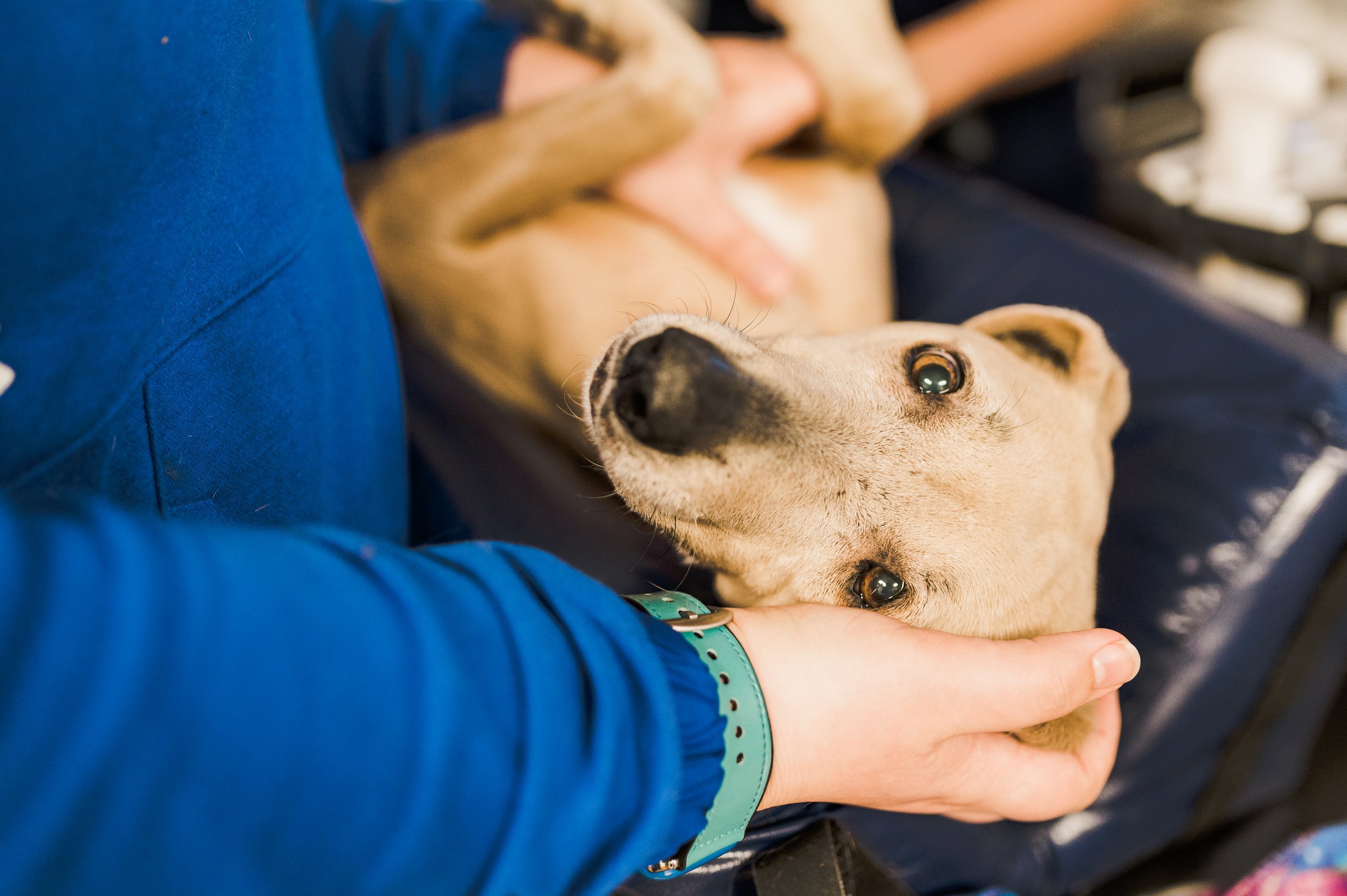
How Does a Vet Diagnose Cancer in Dogs and Cats?
Find out how advanced tools like CT and MRI scans pinpoint tumors and assess their severity, helping veterinarians diagnose cancer in pets. Plus, learn about the 5 most common types of cancers in dogs and how early detection leads to better outcomes.

FAQ: What types of payment do you take at SVI?
Navigating payment for advanced imaging doesn’t have to be complicated. From CareCredit to Trupanion, here’s how we make check-in smooth, upfront, and stress-free so you can stay focused on your pet, not the paperwork.

Where to Get an Ultrasound for Your Pet
Discover how ultrasound diagnoses conditions in pets, from organ issues to blood flow concerns. Learn why it’s effective, how it works, and what to consider when choosing a provider. Accurate results and compassionate care are paramount when it comes to your furry friends!

2025 Update: How Pet Insurance Saves Your Pet’s Life & Your Budget
Vet bills can be unpredictable, but pet insurance helps you plan ahead. Discover what pet insurance covers, how much it costs, and why it’s worth it. Learn how the right plan can save you thousands while ensuring your pet gets the best care possible.

Musculoskeletal MRI Made Simple: A Beginner’s Course for Vet Techs
This one's for vet techs diving into MRI! Get three expert tips on patient positioning, plus discover key MRI sequences, artifact prevention techniques, and must-know vet tech skills to capture clear, accurate scans and assist like a pro.

FAQ: What should I expect when dropping my pet off for imaging?
Imaging drop-off looks different from a traditional vet visit. With check-in, consent forms, and a three-hour window for scans and recovery, the process is designed to keep pets safe, allow medical prioritization, and ensure every patient receives careful attention.

“Executive Screenings” for Pets Sound Fancy, But Here’s Why They Work
Give your pet the same high-quality care you’d expect for yourself. Discover how executive screenings with advanced diagnostics like MRI and CT detect hidden issues early, ensuring your pet stays healthy, happy, and active for years to come.

Uncovering Hidden Joint Pain with Veterinary MRI
Kick off Part 1 of our exciting new blog series on Musculoskeletal MRI (MSK MRI)! Led by Dr. Jaime Sage, learn how this advanced veterinary MRI tool is changing how we diagnose your pet’s hidden pain. When is it essential? What exactly can it do? Find out here.

FAQ: How much does an ultrasound for my dog or cat cost?
Ultrasound pricing isn’t one-size-fits-all. From diagnostic imaging to biopsies, costs vary based on your pet’s condition and care plan. Find out what influences the price—and how to get a clear, accurate estimate from our veterinary team.

High Field vs. Low Field MRI–Which is Right for Your Pet?
Find out why not all MRIs are created equal! High-field MRI provides the clarity needed to spot serious pet health issues that low-field systems might miss. Learn how choosing the right MRI means quicker answers, better care, and peace of mind for you and your furry friend.

Looking for a Low-Cost MRI for Pets?
Plus, get 4 tips for managing vet costs while ensuring your pet’s health. Learn how we provide affordable, high-quality pet MRIs with clear pricing, advanced diagnostics, and compassionate care, so you can give your furry family the best treatment without the stress.

The Pet Parent’s Guide to Anesthesia
Ever seen those adorable 'derp' faces pets make when sedated? The Pet Parent’s Guide breaks down why sedation and anesthesia are sometimes needed for safe, smooth veterinary imaging—and what to expect before, during, and after your pet’s visit.