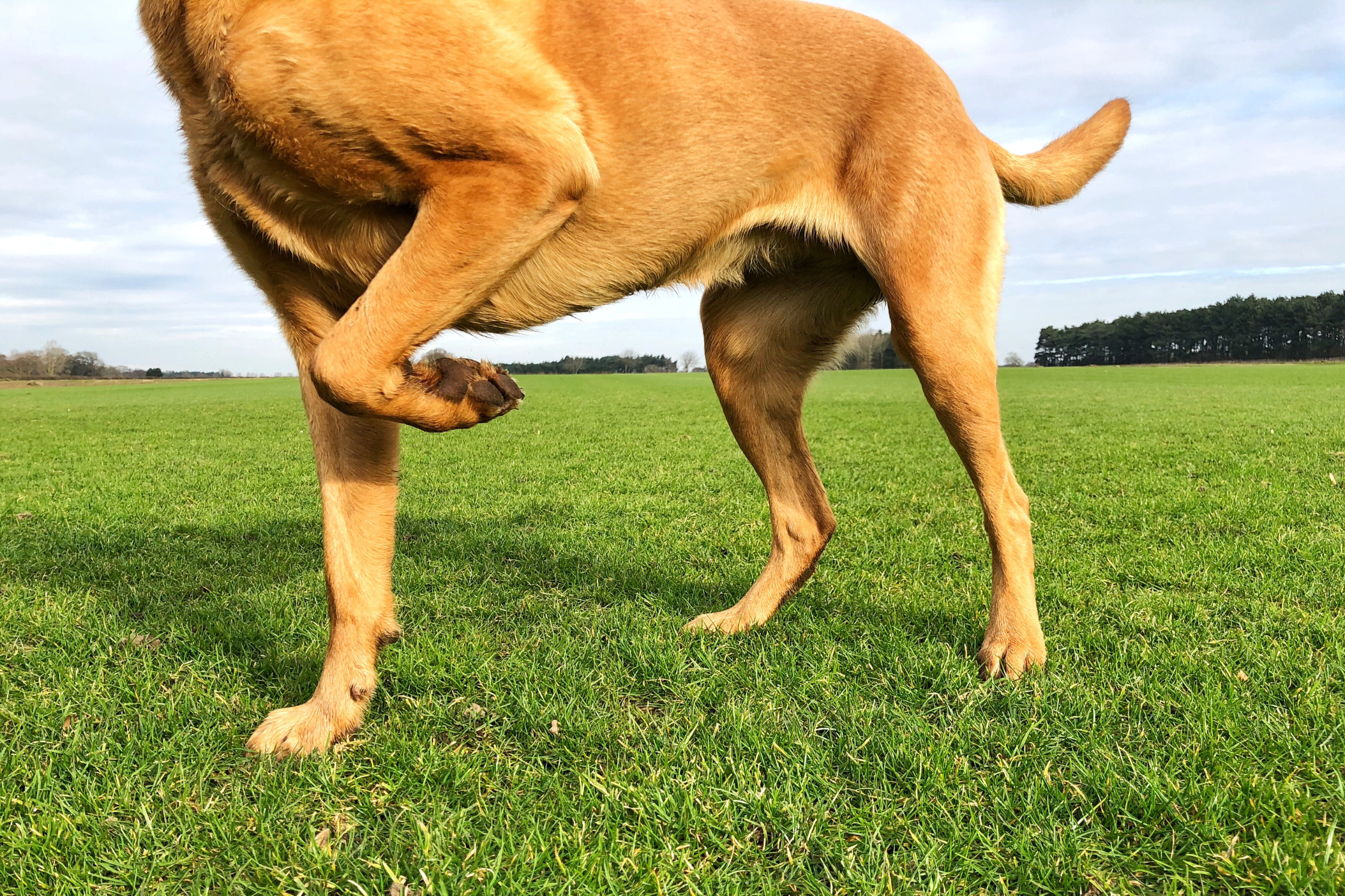
A subtle limp is often one of the first signs of joint pain, and the first step toward helping your dog feel better is understanding the cause.
When senior dogs start to slow down, it’s easy to assume it’s just part of getting older. But stiffness, limping, difficulty rising, or hesitation on stairs are often signs of joint pain, and in many cases, it’s something we can treat and manage.
Arthritis is only one piece of the picture. Cruciate ligament disease (CCL), tendon injuries, hip or elbow dysplasia, and even some neurologic conditions can look nearly identical at home.
Because each requires a different treatment plan, the most important first step is understanding the true cause.
With the right diagnosis and a thoughtful care plan, many older dogs can stay active, comfortable, and engaged in the routines they love.
Why Joint Health Matters More in Senior Dogs
As dogs age, the joints that once made running, jumping, and climbing effortless begin to change. Cartilage becomes thinner, joint fluid cushions less effectively, and the muscles that support movement gradually weaken.
These normal age-related changes mean senior dogs:
Tire more quickly
Feel stiffness after rest
Are more vulnerable to inflammation and injury
Conditions that began earlier in life, like hip or elbow dysplasia, often become more painful in the senior years as arthritis develops.
Mobility is about more than movement. It helps maintain:
Muscle mass
Healthy weight
Balance and neurologic function
Daily engagement and mental well-being
When joint disease is recognized early, dogs stay active and comfortable much longer.
Signs of Joint Pain in Older Dogs
Joint pain often appears as small, everyday changes. Many dogs don’t cry out. They simply adjust their behavior, and pain can go unnoticed or unmanaged for months.
Watch for:
Stiffness after resting
Slower walks or tiring easily
Limping or favoring a limb
Difficulty getting up or lying down
Hesitation with stairs or jumping
Slipping on smooth floors
Less interest in play
Sleeping more or seeming withdrawn
Sensitivity to touch in certain areas
If these changes persist, it’s worth talking with your veterinarian. What looks like normal aging is often a treatable source of pain.
What Causes Joint Pain in Senior Dogs?
Joint pain in senior dogs is most often caused by osteoarthritis, cruciate ligament tears, hip or elbow dysplasia, and chronic tendon or ligament injuries. In some cases, neurologic disease can mimic joint discomfort. Because these conditions feel similar at home, an accurate diagnosis is essential for choosing the most effective treatment and protecting long-term mobility.
Common Joint Conditions in Senior Dogs
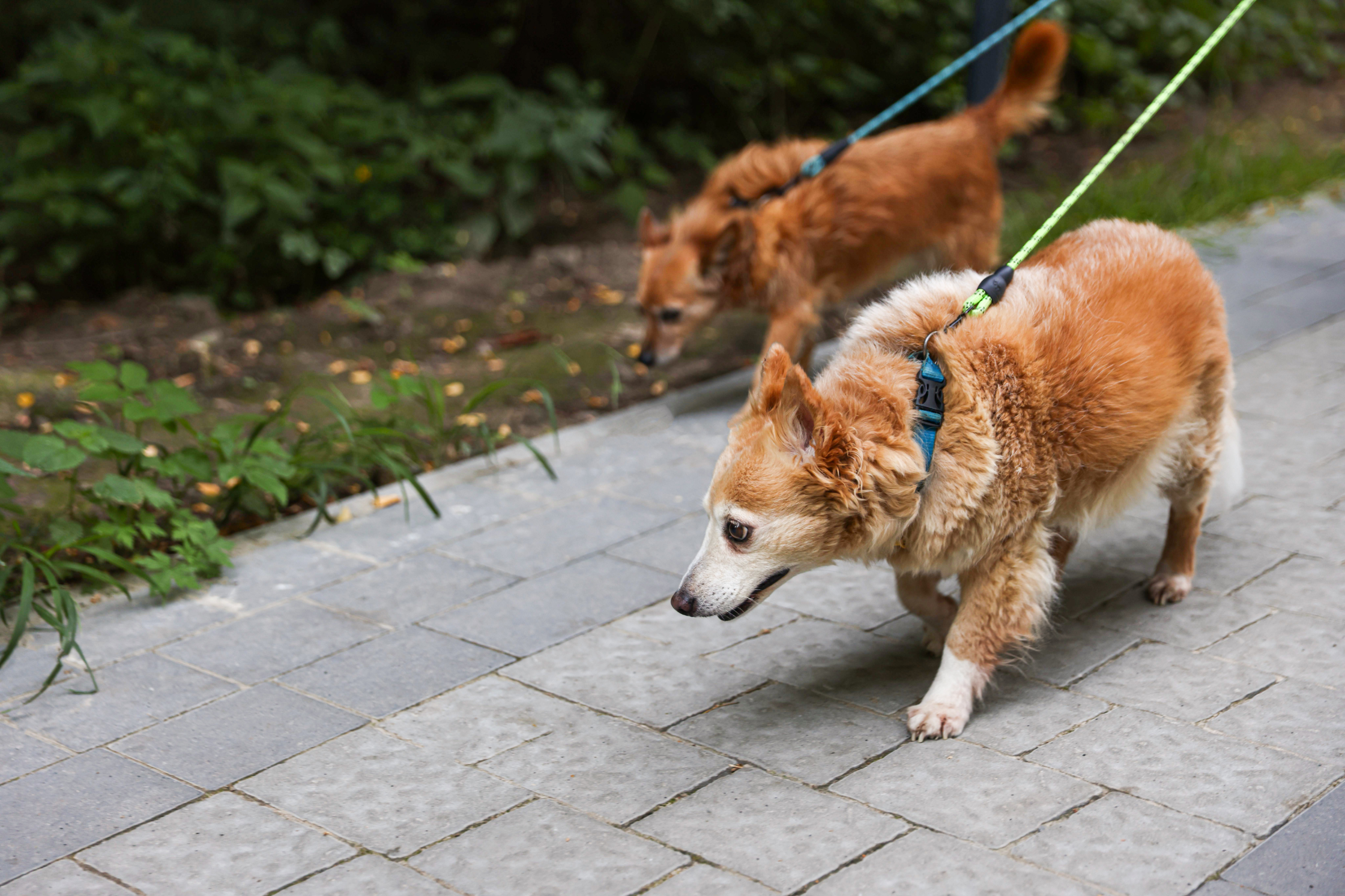
Even when the pace gets slower, regular walks help senior dogs maintain strength, joint flexibility, and confidence in their movement.
Osteoarthritis
Osteoarthritis is the most common joint disorder in older dogs. As cartilage gradually wears away, the joint becomes inflamed and movement becomes stiff and uncomfortable. Although it’s associated with aging, arthritis often develops secondary to an underlying orthopedic condition that has been present for years.
Cruciate Ligament Disease (CCL Tears)
Cruciate ligament disease, similar to an ACL injury in people, is a leading cause of hind-limb lameness. It may occur suddenly or as a slow, degenerative process. Over time, instability within the joint leads to pain, reduced activity, and progressive arthritis.
Hip Dysplasia
Hip dysplasia begins earlier in life but frequently becomes more painful in the senior years. Because the ball and socket of the hip do not fit together smoothly, long-term wear results in inflammation, decreased range of motion, and difficulty with everyday activities like rising, climbing stairs, or jumping.
Elbow Dysplasia
Elbow dysplasia is a complex developmental condition that often leads to chronic front-limb lameness. As arthritis progresses, dogs may shift weight off the affected limb, shorten their stride, or tire more quickly on walks.
Tendon and Ligament Injuries
Injuries to the tendons and supporting ligaments around joints—especially in the shoulder, carpus, hock, and stifle—can be difficult to detect because they may not appear on radiographs. These soft-tissue conditions often cause persistent or intermittent lameness that doesn’t fully resolve with rest.
Because the outward signs of each of these conditions overlap, a precise diagnosis is the key to selecting the most effective treatment and maintaining long-term mobility.
Arthritis or Something Else? Why Diagnosis Matters
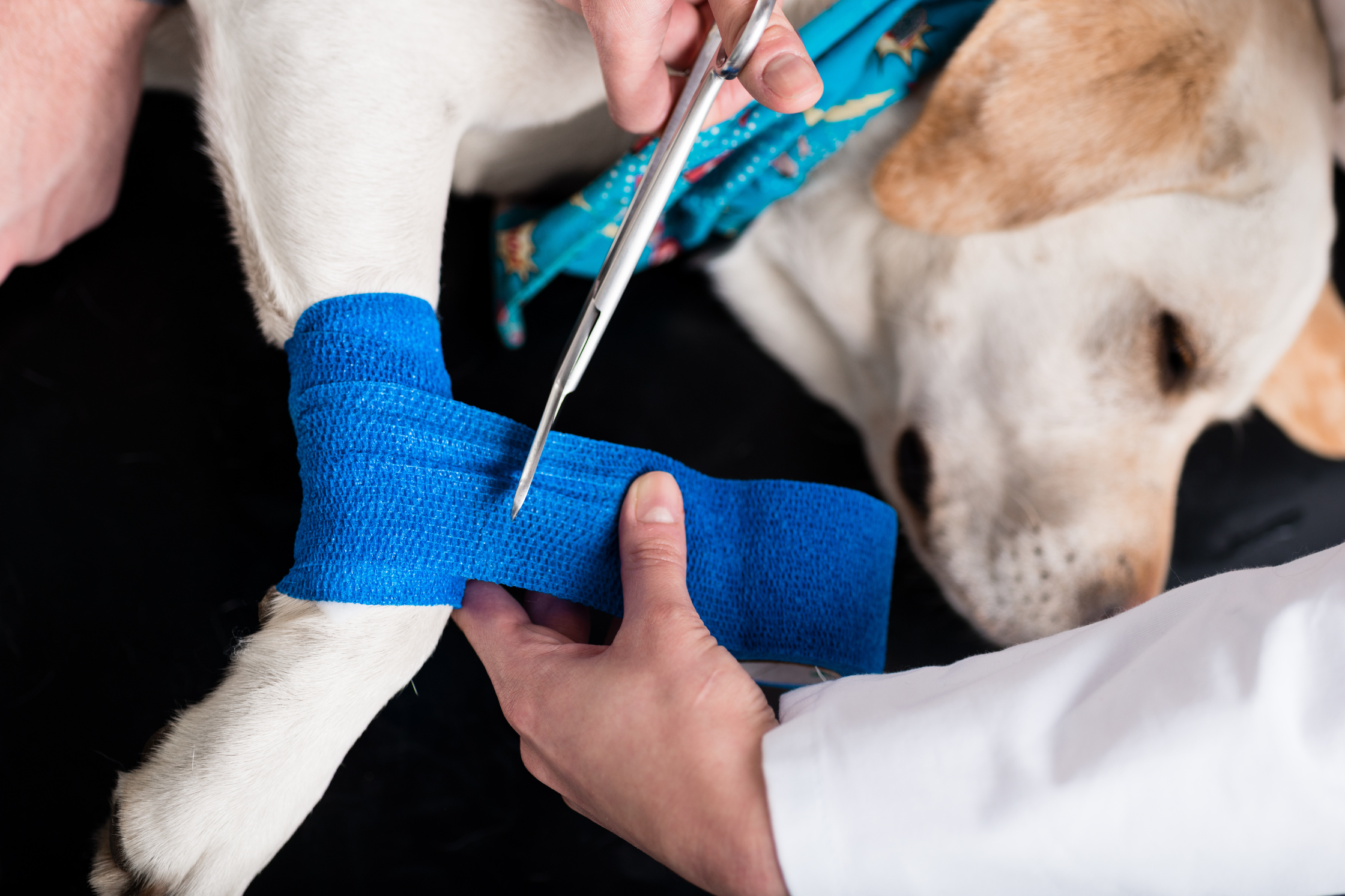
The right diagnosis leads to the right treatment plan, helping dogs heal comfortably and return to the activities they love.
Radiographs (X-rays) are often the first step when a senior dog develops a limp, and they’re very good at showing bone changes and advanced arthritis. But they can’t fully evaluate soft tissues like ligaments, tendons, cartilage, menisci, or the spinal cord. In many dogs, that’s where the real problem is.
So when mobility changes persist despite “mild” or normal X-rays, it usually means more information is needed.
Common conditions that may not be visible on radiographs include:
Partial cruciate ligament tears
Tendon and ligament injuries
Early elbow dysplasia
Meniscal damage
Neurologic disease that mimics joint pain
Without a clear diagnosis, treatment becomes trial and error, which can delay real relief and allow disease to progress.
When Does a Dog Need an MRI for Lameness?
A dog may need an MRI when lameness persists despite rest or normal radiographs, when a soft-tissue injury is suspected, or when neurologic disease could be causing mobility changes. MRI allows veterinarians to evaluate cartilage, ligaments, tendons, and surrounding structures in detail, helping guide precise treatment decisions and avoid guesswork.
How Advanced Imaging Helps Your Veterinarian Find the Cause
MRI for Dogs
Best for evaluating soft tissues and the nervous system. It allows veterinarians to see:
Ligaments and tendons
Cartilage and menisci
Joint inflammation
Spinal cord and nerve involvement
This makes MRI the preferred test when a soft-tissue injury or neurologic condition is suspected.
CT for Joint Disease
Provides highly detailed images of bone and joint structure and is commonly used to:
Assess complex joints like the elbow
Detect subtle dysplasia or joint incongruity
Evaluate chronic arthritis
Plan surgical procedures
By moving from a general suspicion to a precise diagnosis, advanced imaging allows veterinarians to recommend targeted treatment, improving comfort, protecting mobility, and helping senior dogs stay active longer.
What is the Best Treatment for Arthritis in Dogs?
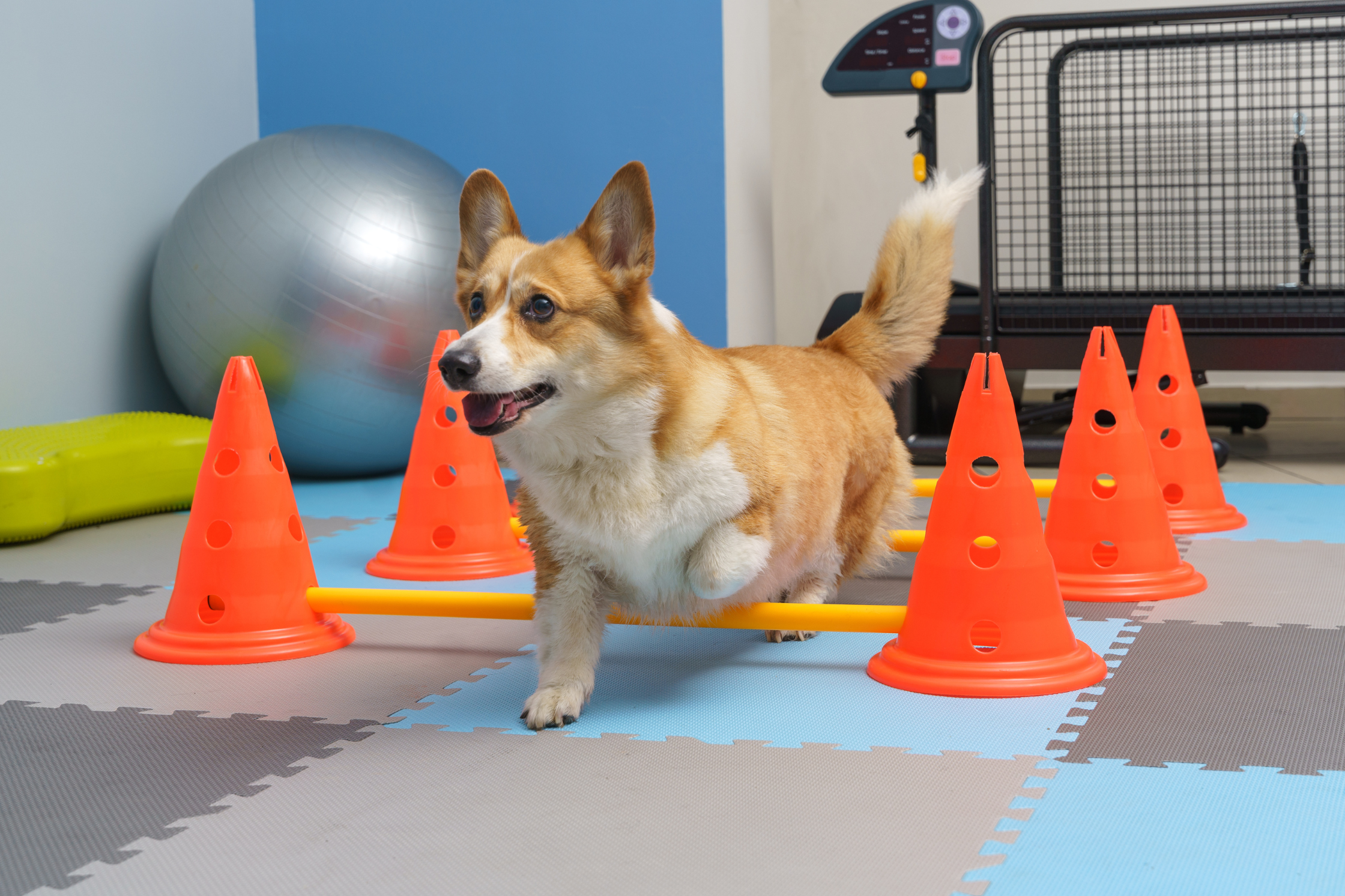
Targeted rehabilitation exercises build strength, improve balance, and help dogs return to comfortable, confident movement after injury or with arthritis.
The best treatment for arthritis in dogs is a personalized, multimodal plan that may include weight management, joint-support medications, rehabilitation therapy, controlled exercise, and sometimes surgery. The right approach depends on the underlying cause and severity of disease, which is why identifying the source of pain is the first step toward restoring comfort and daily activity.
Medical Management
For many dogs, treatment begins with non-surgical options that support joint health and control inflammation:
Pain and anti-inflammatory medications
Joint-support therapies
Weight optimization
Activity modification
Therapeutic injections when appropriate
These strategies can significantly improve comfort, especially when started early and tailored to the individual dog.
Surgical Options
When joint instability, advanced dysplasia, or ligament rupture is the primary cause of pain, surgery may offer the best long-term outcome.
Procedures may be recommended to:
Stabilize the stifle after a cruciate ligament tear
Address severe elbow or hip dysplasia
Remove damaged tissue within a joint
Improve joint alignment and function
Rehabilitation & Mobility Support
Essential for both recovery and long-term comfort.
Rehabilitation can:
Build strength
Improve flexibility
Reduce pain
Restore confidence in movement
At home, simple changes help:
Supportive bedding
Non-slip flooring
Ramps or steps
Regular low-impact activity
With the right combination of therapies, many senior dogs remain active, engaged, and able to enjoy their normal routines for years to come.
When to Ask Your Veterinarian About Advanced Imaging
In many cases, advanced imaging is the next step when the cause of pain isn’t clear or when a dog isn’t improving with initial treatment. Rather than trying multiple therapies without a diagnosis, imaging helps your veterinarian move directly toward the most effective plan.
Your veterinarian may discuss advanced imaging if your dog:
Continues to limp despite treatment
Has mobility changes with mild or normal X-rays
Has a suspected tendon, ligament, or shoulder injury
Shows signs that could be orthopedic or neurologic
Is being evaluated for surgery
Has pain that keeps returning
Advanced imaging does not automatically mean surgery. In many cases, it provides the clarity needed to confidently choose medical management, rehabilitation, or a targeted procedure. It turns uncertainty into a clear path forward.
If your senior dog’s mobility is changing and the answer still isn’t clear, this is a good time to start the conversation with your veterinarian.
Keeping Senior Dogs Moving Comfortably at SVI
Aging doesn’t have to mean slowing down. With early recognition of joint pain, thoughtful medical care, and simple home adjustments, many senior dogs can stay mobile, comfortable, and engaged in the routines they love.
If you’re noticing changes in how your dog moves, don’t assume it’s just age. A clear diagnosis and a personalized plan can make a meaningful difference, supporting not only better movement, but a better quality of life for the years ahead.
To get answers for your pet, please contact us here.