Sage Veterinary Imaging Blog
Pet Health & Advanced Veterinary Imaging
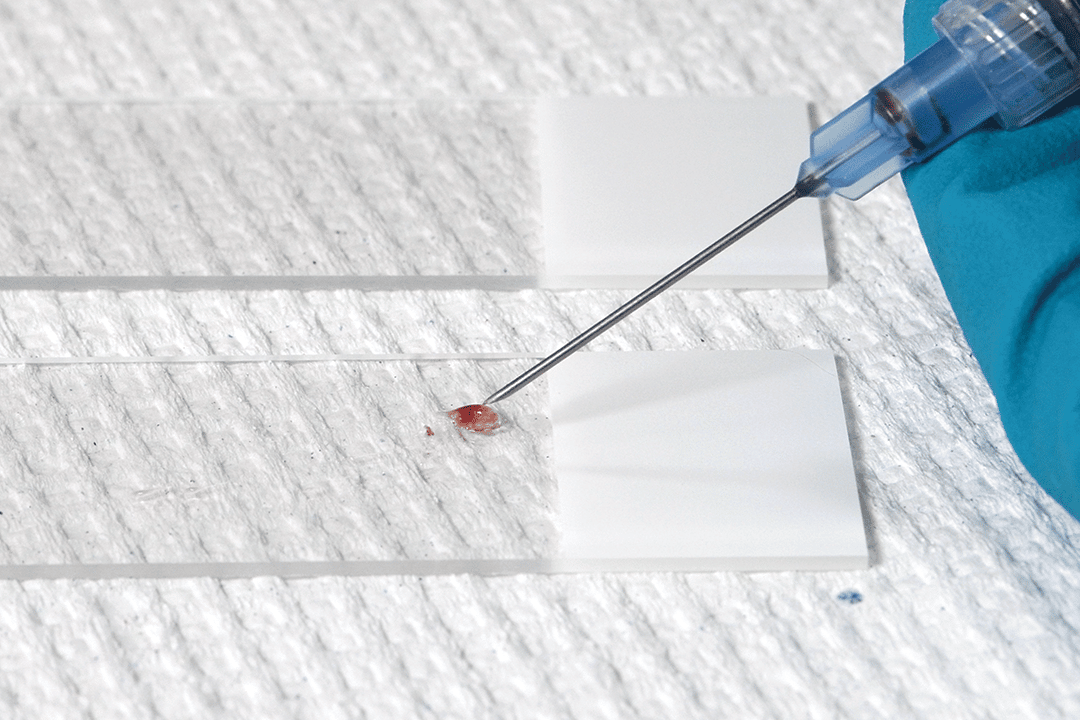
FAQ: Will my dog or cat need a biopsy during their visit?
Not sure if your pet needs a biopsy after imaging? This quick read explains when fine needle aspiration is used, how it helps your vet get answers fast, and why most pets don’t even need sedation. Stay informed and be your pet’s best health advocate.

6 Surprising Reasons Veterinary MRI Costs More Than Human MRI
Have you ever wondered why veterinary MRI scans cost so much more than human MRIs? Read on to learn about the factors contributing to higher costs and how Sage Veterinary Imaging offers cost-effective diagnostic imaging services.

Exploring Meningitis in Dogs and 3 Ways to Prevent It
Learn about meningitis in dogs, including its symptoms, prevention, and treatment options: CT, MRI and ultrasound. Let's keep our pups happy and protected!

How to Diagnose and Treat DM in Dogs
Worried that your dog might have DM? Don't panic! Learn all about this neurological condition, understand the signs, and find out how you can help your pet manage degenerative myelopathy with regular physical therapy.

FAQ: Will my pet be anxious without me during their scan?
Every pet deserves a stress-free experience. Through gentle anesthesia and constant monitoring, our team keeps your pet calm and safe from start to finish, so you can relax knowing they’re cared for like family.

What is Physical Therapy for Dogs?
Looking to give your pet a better quality of life? Learn more about physical therapy for dogs, including why it's important, what types of therapies are used, and how it can help your furry friend.

FAQ: What is IVDD in Dogs?
Discover how intervertebral disc disease (IVDD) impacts your furry friend's spine and learn about this common condition that affects many dogs. Explore causes, symptoms, and treatment options in our informative blog post!

Q&A with a Vet: What is Cognitive Dysfunction in Dogs and Cats?
In this installment of Q&A with a Vet, Dr. Jaime Sage tells you about cognitive disease in dogs, treatment options, and supplements that may help.

Diagnostic Imaging: Why You Want Fast, High-Quality Care For Your Pet
When pets are in pain, they can’t tell us where it hurts. They just don’t speak our language and some diseases are simply hard to diagnose in animals. Underlying, hidden health problems can cause a number of symptoms and standard tests don’t always show everything going on inside your pet.

CCL Surgery in Dogs: An Effective Surgery for Painful Joints in Dogs
CCL injuries are the most common knee injuries in dogs. So it’s important to be prepared for when this type of injury happens. And with the right veterinarian team, you can get answers and a proper plan in place for a CCL surgery in dogs.

Q&A With a Vet: Neurosurgery
This week, we cover neurosurgery - yep, the brain stuff! There’s more to it than that though. Some of the most common questions and answers about veterinary neurosurgery are here. And you get a glimpse of what’s to come if your pet needs the help of Sage Veterinary Imaging.

What Formula 1 Drivers & Veterinary Radiologists Have in Common
Having top-tier imaging technology is great, but without the right expert, it’s like putting a rookie in a Formula 1 car. Discover how board-certified veterinary radiologists turn high-tech scans into real answers, giving your pet the best chance at a healthy future.

FAQ: What is a veterinary ultrasound, and why use one?
Ultrasound lets veterinarians see inside your pet’s body without radiation or pain. Learn how this gentle imaging tool uses sound waves to reveal organ health, detect problems early, and provide real-time answers during your pet’s visit.

Is Your French Bulldog Acting Strange? 7 Neurological Warning Signs
French Bulldogs are fun, loving companions, but some behavior changes could signal serious neurological issues. Learn the 7 warning signs to watch for, from subtle head tilts to sudden weakness, so you can take action early and keep your pup healthy.

Q&A with a Vet: CT Scans
Discover how CT scans give veterinarians a detailed look at your pet’s health. Learn what conditions they detect, what happens during a scan, and how quickly you’ll get results. This guide answers your biggest questions about veterinary CT scans and why they matter.

Epilepsy & Seizures in Dogs: Signs, Symptoms & Treatment
Is your dog having seizures? Don’t panic. Epilepsy is treatable. Learn how to spot the signs, find the cause, and get the right treatment, from medication to MRI scans. Get expert advice to help your dog stay healthy, happy, and seizure-free.

Q&A with a Vet: MRI for Dogs & Cats
We asked our board-certified veterinarians your most pressing questions about MRI for pets. Learn how MRI scans work, what they detect, how long they take, and why they’re a safe, non-invasive way to get clear answers about your pet’s health.

Late-Stage Hyperthyroidism in Cats: What Every Cat Owner Needs to Know
Is your cat acting restless, drinking more water, or yowling at night? These could be signs of late-stage hyperthyroidism, a condition that can lead to heart disease, kidney issues, and blindness. Discover the symptoms, risks, and best treatment options to keep your cat healthy.

What’s the Difference? DVM Radiologist vs. MD Radiologist
How does a veterinary radiologist compare to a human radiologist? Explore their education, salary differences, and what it takes to become a board-certified DVM radiologist. If you're considering a career in veterinary radiology, here's everything you need to know.
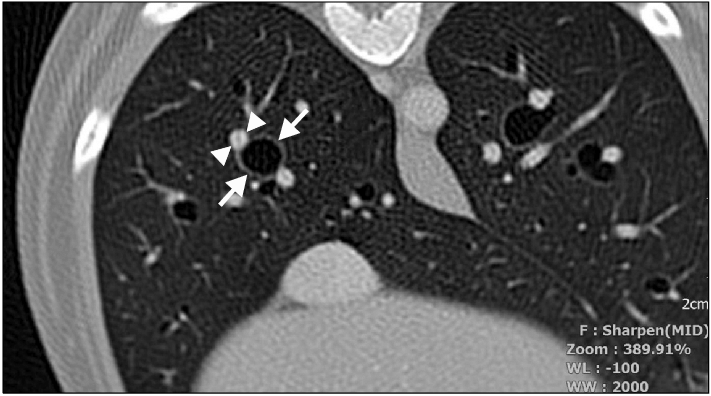
FAQ: What can a veterinarian see with a CT scan?
CT imaging gives veterinarians a clearer look inside your pet’s body—far beyond what X-rays can show. Discover how this 3D scan helps identify fractures, tumors, and internal disease with unmatched precision and insight into your pet’s health.