Why Some Great Danes Struggle to Walk (and How Imaging Can Help)
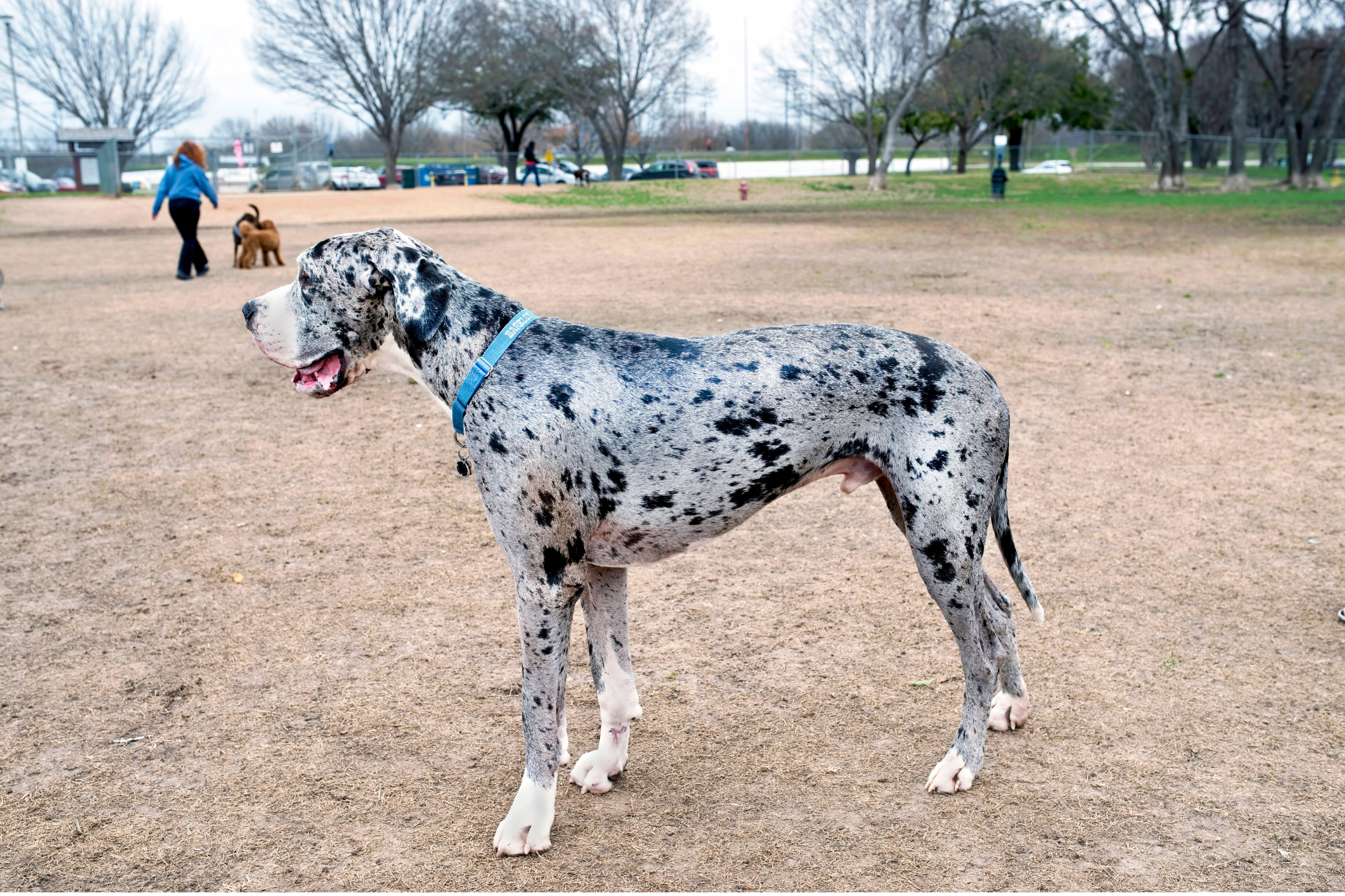
Early gait changes in Great Danes may signal Wobbler syndrome or spinal compression.
When your Great Dane starts having trouble walking, it can be both confusing and heartbreaking. These gentle giants typically move with strength and grace, so a wobbly gait, weakness, or reluctance to rise from a sit deserves careful attention.
While arthritis or hip pain is often assumed to be the reason, there’s another condition that is very common in Great Danes and frequently overlooked until advanced imaging reveals it: Wobbler syndrome.
At Sage Veterinary Imaging, we see how advanced diagnostics like MRI and CT can uncover issues that aren’t obvious on physical exam alone, especially when neurologic and orthopedic problems occur together.
Understanding the root causes of mobility problems in your dog helps guide early action, offers better pain management, and improves quality of life.
What Is Wobbler Syndrome in Great Danes?
Wobbler syndrome, also known in veterinary medicine as cervical spondylomyelopathy (CSM), is a neurologic condition affecting the neck (cervical spine).
It occurs when the spinal cord becomes compressed due to abnormalities in the vertebrae, discs, or supporting structures. This compression interferes with nerve signals to the limbs, resulting in weakness and a “wobbly” gait, especially in the back legs.
While CSM can occur in other large and giant breeds, it’s particularly well documented in Great Danes and Doberman Pinschers. Great Danes tend to develop signs at a younger age, often around 2 to 3 years old, much earlier than some other affected breeds.
What Are the Signs of Wobbler Syndrome in Great Danes?
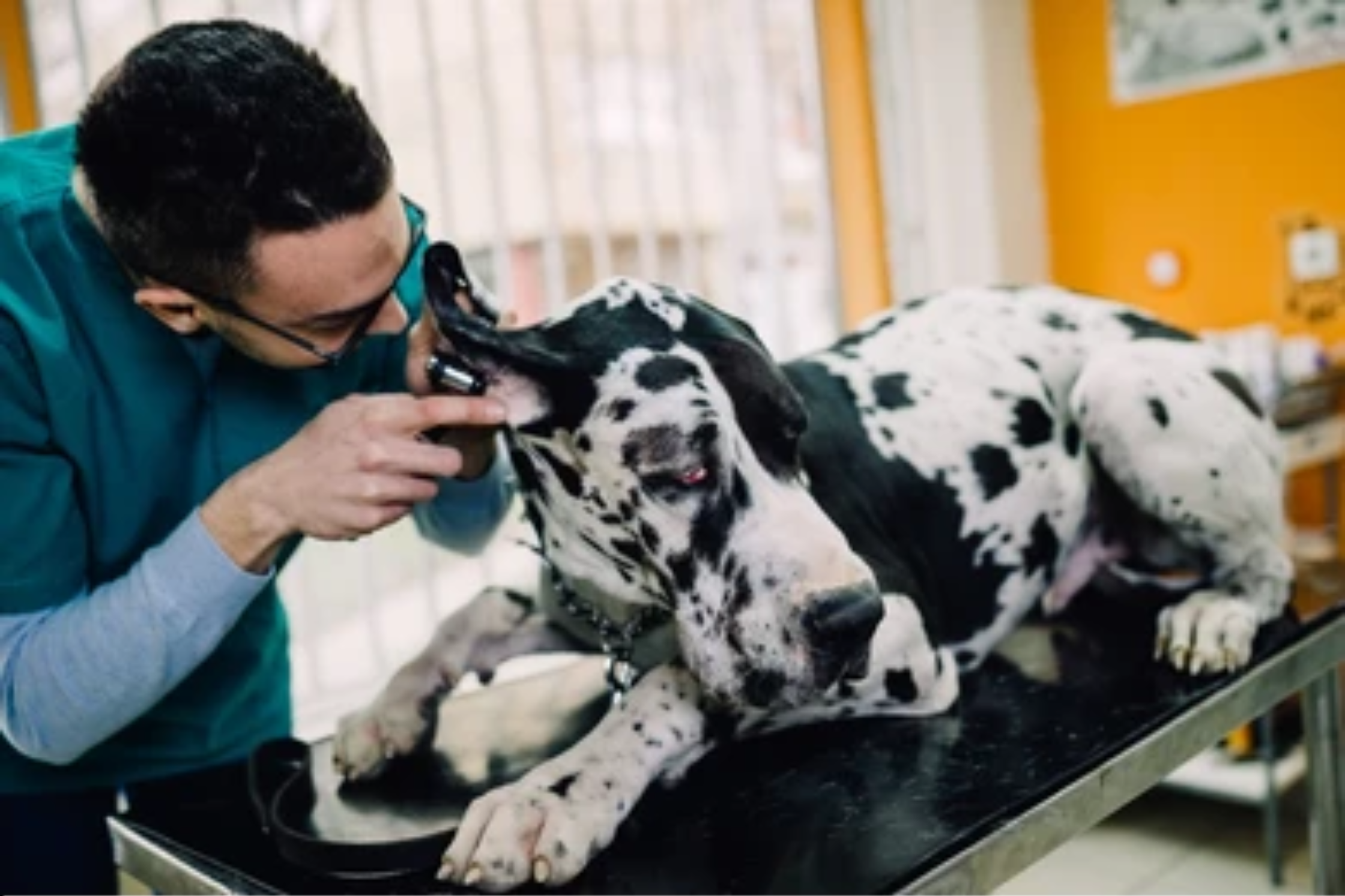
A neurologic exam helps determine if a Great Dane’s mobility issues start in the spine
The hallmark sign of Wobbler syndrome is an abnormal gait, especially in the hind limbs.
Additional early signs may be subtle, such as:
Unsteady walking on slippery floors
Occasional scuffing or dragging of back feet
Weakness when rising from a resting position
A lowered head or neck posture
Reluctance to climb steps or jump
As the condition progresses, other neurologic signs can emerge, including:
Difficulty coordinating all four legs
Occasional stumbling or “buckling” forward
In advanced cases, very weak front legs or even paralysis
These signs may be misinterpreted as hip pain or arthritis, especially if the dog also has concurrent orthopedic disease.
Can Hip Dysplasia and Wobbler Syndrome Occur Together?
Yes, and this is exactly why imaging matters.
Great Danes are predisposed to hip dysplasia, a painful orthopedic condition where the hip joint fits poorly into the socket. Hip dysplasia alone can cause gait changes and discomfort.
But when it occurs alongside a neurologic condition like Wobbler syndrome, the clinical picture becomes more complex.
Dogs with hip pain may compensate by shifting their weight forward or changing their stride. If the spine is also compressing nerves, the result can be:
A mixture of pain behaviors
Misleading gait changes
Mistaken assumptions about the primary cause of the issue
Advanced imaging allows clinicians to see both neurologic and orthopedic abnormalities in detail so that the correct problem (or problems) can be addressed.
How MRI Helps Diagnose Spinal Cord Issues in Giant Breeds
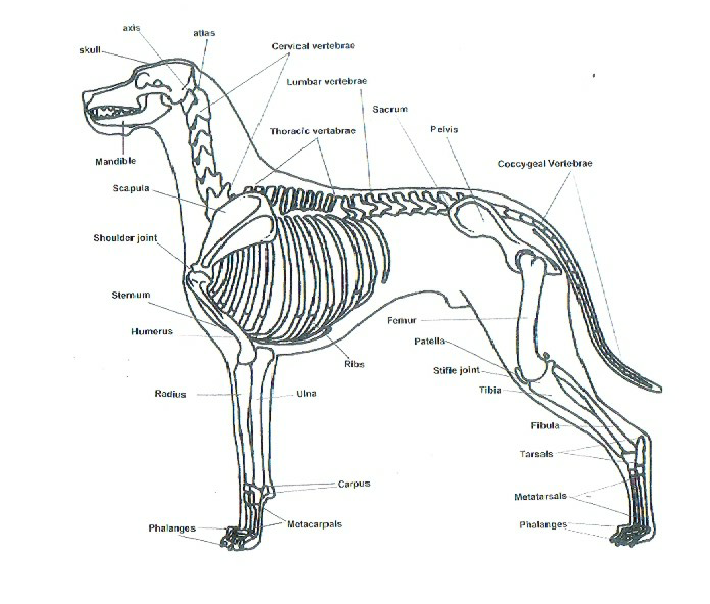
Diagram of canine skeletal anatomy highlighting the cervical spine and major joints involved in movement.
Physical and neurologic exams are essential first steps, but they can’t show what’s happening inside the spinal canal or the joint surfaces.
That’s where MRI (magnetic resonance imaging) shines.
MRI allows veterinarians to:
Visualize the spinal cord and intervertebral discs
Detect compression at specific vertebral levels
Assess how severe the compression is
Identify other neurologic issues that may mimic or overlap with Wobbler syndrome
In many cases, MRI reveals nerve compression that would not be visible on X‑rays or through clinical exam alone. This is vital because early diagnosis gives your dog the best chance at effective treatment and better long-term outcomes.
CT (computed tomography) is another powerful tool, particularly for assessing bone detail in the cervical spine and for evaluating hip dysplasia when combined with arthrography.
But when it comes to seeing soft tissues like the spinal cord and adjacent ligaments, MRI is generally superior.
Does My Great Dane Need an MRI or CT Scan?
If your dog is showing signs like a wobbly gait, weakness, pain, or difficulty walking normally, advanced imaging should be part of the diagnostic conversation.
MRI is especially recommended when:
Neurologic signs suggest spinal cord involvement
Symptoms are progressive or worsening
There is pain with neck movement
Conventional X‑rays don’t explain the symptoms
CT may be considered when:
Bony abnormalities are suspected
Hip dysplasia needs detailed joint evaluation
MRI is unavailable or contraindicated for medical reason
Your primary veterinarian or a veterinary neurologist can help guide the choice of imaging based on exam findings.
Treating Wobbler Syndrome and Hip Pain Together
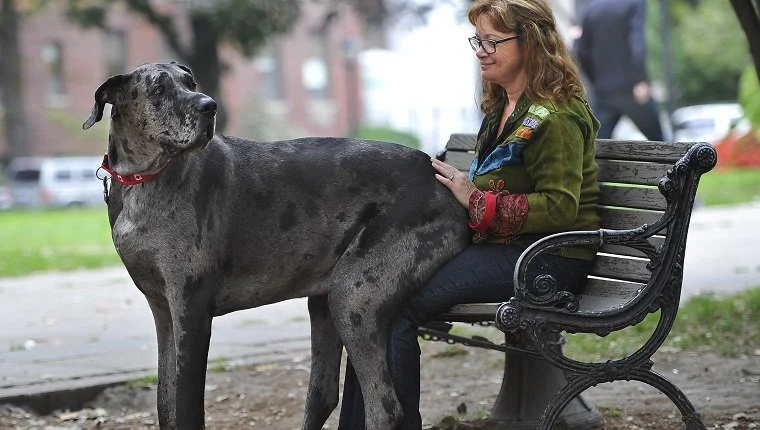
With early diagnosis, many dogs with Wobbler syndrome maintain a good quality of life. Photo courtesy: Richard Lautens/Toronto Star via Getty Images
Once imaging identifies the underlying cause (or causes) of your dog’s mobility issues, a treatment plan can be tailored accordingly.
Medical Management
Not all dogs require surgery. Many patients improve with:
Anti‑inflammatory medications (steroidal or non‑steroidal)
Activity restriction and controlled exercise
Pain management (e.g., gabapentin for neurologic pain)
Use of a harness instead of a neck collar to reduce neck strain
Medical management can be especially effective for mild to moderate cases and can help alleviate discomfort even when orthopedic issues like hip dysplasia are present.
Surgical Options
For dogs with significant spinal cord compression, surgery is often considered to relieve pressure and stabilize the cervical spine. There are multiple surgical techniques, and the choice depends on the specific anatomy and severity revealed on imaging.
Surgery is designed to:
Reduce spinal cord compression
Improve neurologic function
Slow or stop progression of neurologic deficits
Outcomes can be very good. Many dogs improve significantly following surgery, especially when performed early in the disease process.
Quality of Life and Long‑Term Outlook
While Wobbler syndrome cannot be cured, many dogs can enjoy meaningful improvement in quality of life with the right diagnosis and treatment plan. Studies indicate that:
Medical management improves signs in approximately 50% of affected dogs
Surgery may result in improvement in around 80% of cases
The long‑term prognosis depends on the severity of spinal cord compression, how soon treatment begins, and whether additional orthopedic issues are present. Early imaging and intervention remain key.
Even in cases where signs persist, tailored pain management and supportive care often allow dogs to remain comfortable and active.
Take‑Home Message: Don’t Guess and Image Early
Great Danes are magnificent companions, but when they start to struggle walking, it’s crucial not to assume the cause. Both neurologic disease like Wobbler syndrome and orthopedic conditions like hip dysplasia can lead to mobility problems—sometimes at the same time.
Advanced imaging like MRI and CT gives us the clarity we need to see exactly what’s going on deep inside the spine and joints — so your dog gets the right diagnosis and the right care.
If your Great Dane has shown changes in gait, weakness, or discomfort, don’t wait. Early diagnosis means better outcomes and more years of quality time with your beloved companion.
Contact Sage Veterinary Imaging to talk about how MRI or CT can provide answers.