Sage Veterinary Imaging Blog
Pet Health & Advanced Veterinary Imaging
Categories
- CCL Surgery
- CT
- Cancer
- Case Studies
- Cat Health
- Cognitive Dysfunction
- Cost of Care
- Dog Health
- Education
- FAQ
- IVDD
- Industry Trends
- Joint Health
- Lumbosacral Disease
- MRI
- Neurological Disease
- Neurology
- Neurosurgery
- Outpatient Imaging
- Payment
- Pet Health
- Pet Insurance
- Pet Parent Guide
- Pet Parent Guides
- Procedures & Treatments
- Referring Veterinarians
- Symptom & Treatment Guides
- Ultrasound
- Veterinary Imaging Guides
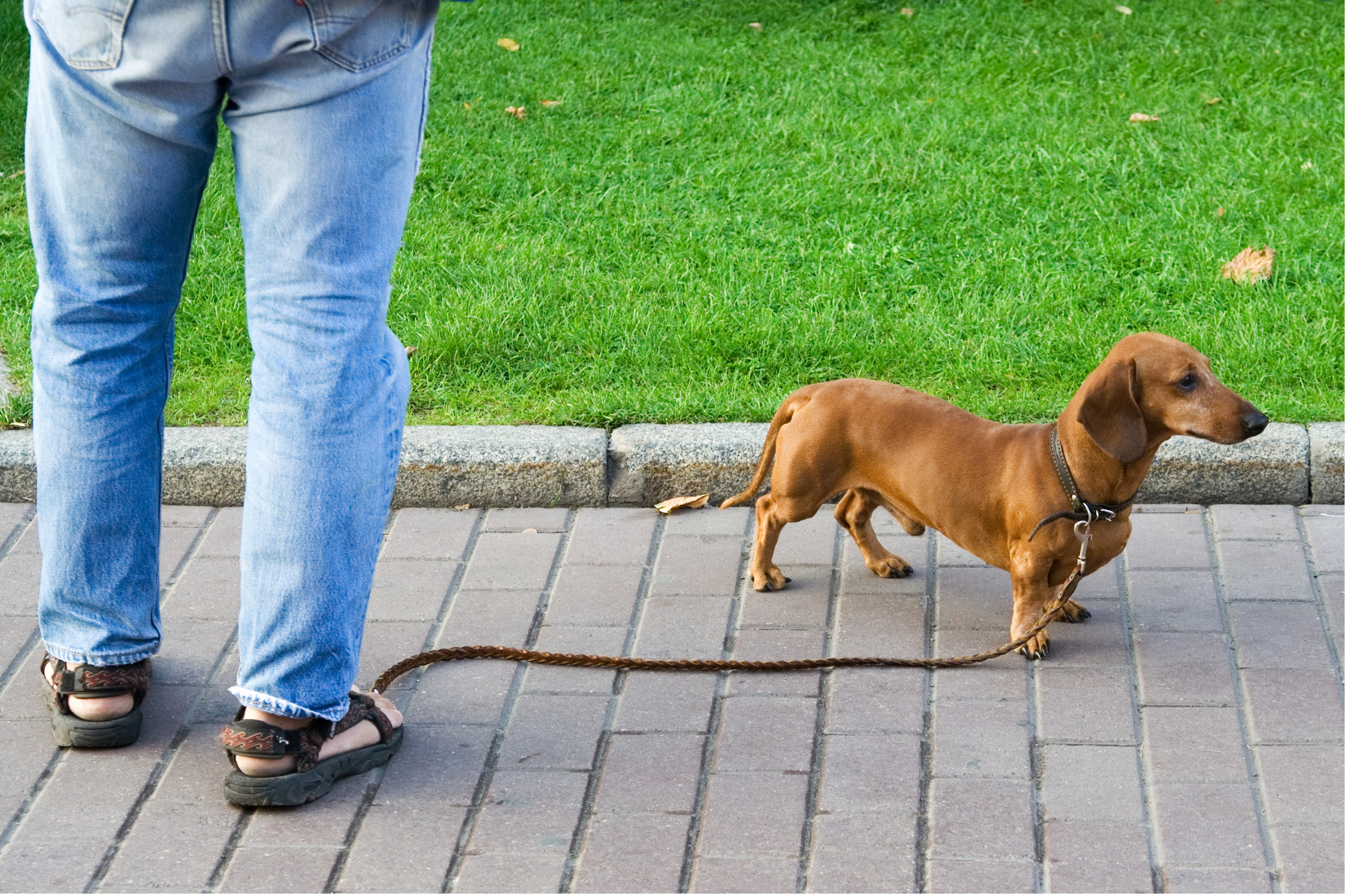
The Strange Neurologic Signs Every Dachshund Owner Should Know
Is your Dachshund suddenly hesitant to jump, walking wobbly, or yelping when picked up? Learn the subtle neurologic warning signs most owners miss, what they actually mean, and the steps that help you protect your dog’s mobility and independence.
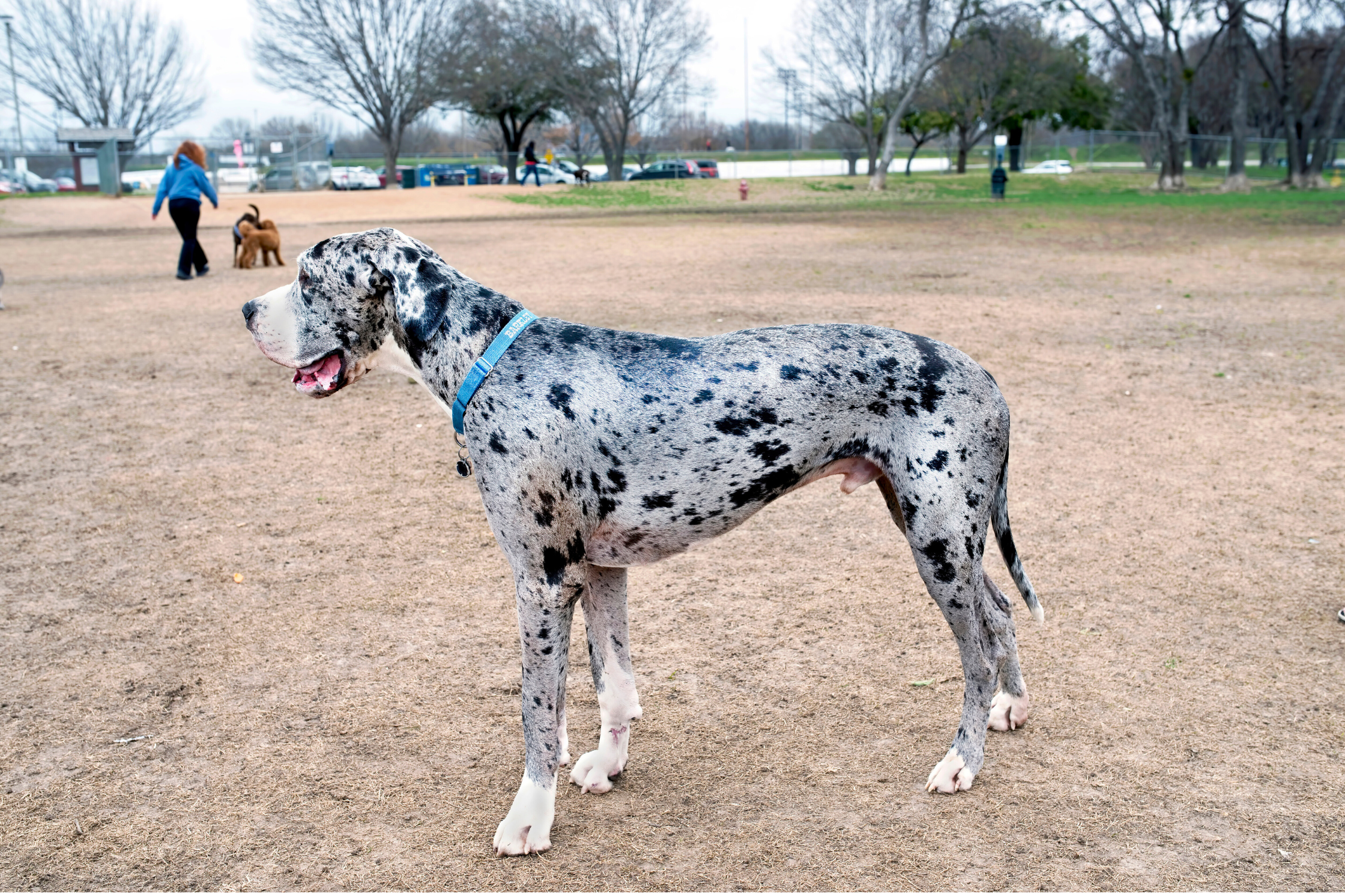
Why Some Great Danes Struggle to Walk (and How Imaging Can Help)
A wobbly gait in a Great Dane isn’t always “just hips.” This blog breaks down why neurologic diseases like Wobbler syndrome are often involved. Learn how imaging uncovers the hidden cause, and what early diagnosis can change for your best friend’s comfort and future.

Understanding Chiari Malformation in Cavalier King Charles Spaniels
Is your Cavalier yelping or scratching at nothing? It might not be quirky behavior. It could be Chiari-like malformation. This blog gives you the signs, imaging insights, and treatment options so you can be the most informed Cavalier parent at the park.

High Field vs. Low Field MRI–Which is Right for Your Pet?
Find out why not all MRIs are created equal! High-field MRI provides the clarity needed to spot serious pet health issues that low-field systems might miss. Learn how choosing the right MRI means quicker answers, better care, and peace of mind for you and your furry friend.

Is Your French Bulldog Acting Strange? 7 Neurological Warning Signs
French Bulldogs are fun, loving companions, but some behavior changes could signal serious neurological issues. Learn the 7 warning signs to watch for, from subtle head tilts to sudden weakness, so you can take action early and keep your pup healthy.

5 ‘Can’t-Miss’ Neurological Symptoms in Small Dog Breeds
Discover five subtle neurological symptoms in small dog breeds that could signal serious health issues. From wobbly walking to head pressing, early detection is key! Learn what to watch for and how advanced imaging can help your pup get the best care possible.