Sage Veterinary Imaging Blog
Pet Health & Advanced Veterinary Imaging
Categories
- CCL Surgery
- CT
- Cancer
- Case Studies
- Cat Health
- Cognitive Dysfunction
- Cost of Care
- Dog Health
- Education
- FAQ
- IVDD
- Industry Trends
- Joint Health
- Lumbosacral Disease
- MRI
- Neurological Disease
- Neurology
- Neurosurgery
- Outpatient Imaging
- Payment
- Pet Health
- Pet Insurance
- Pet Parent Guide
- Pet Parent Guides
- Procedures & Treatments
- Referring Veterinarians
- Symptom & Treatment Guides
- Ultrasound
- Veterinary Imaging Guides
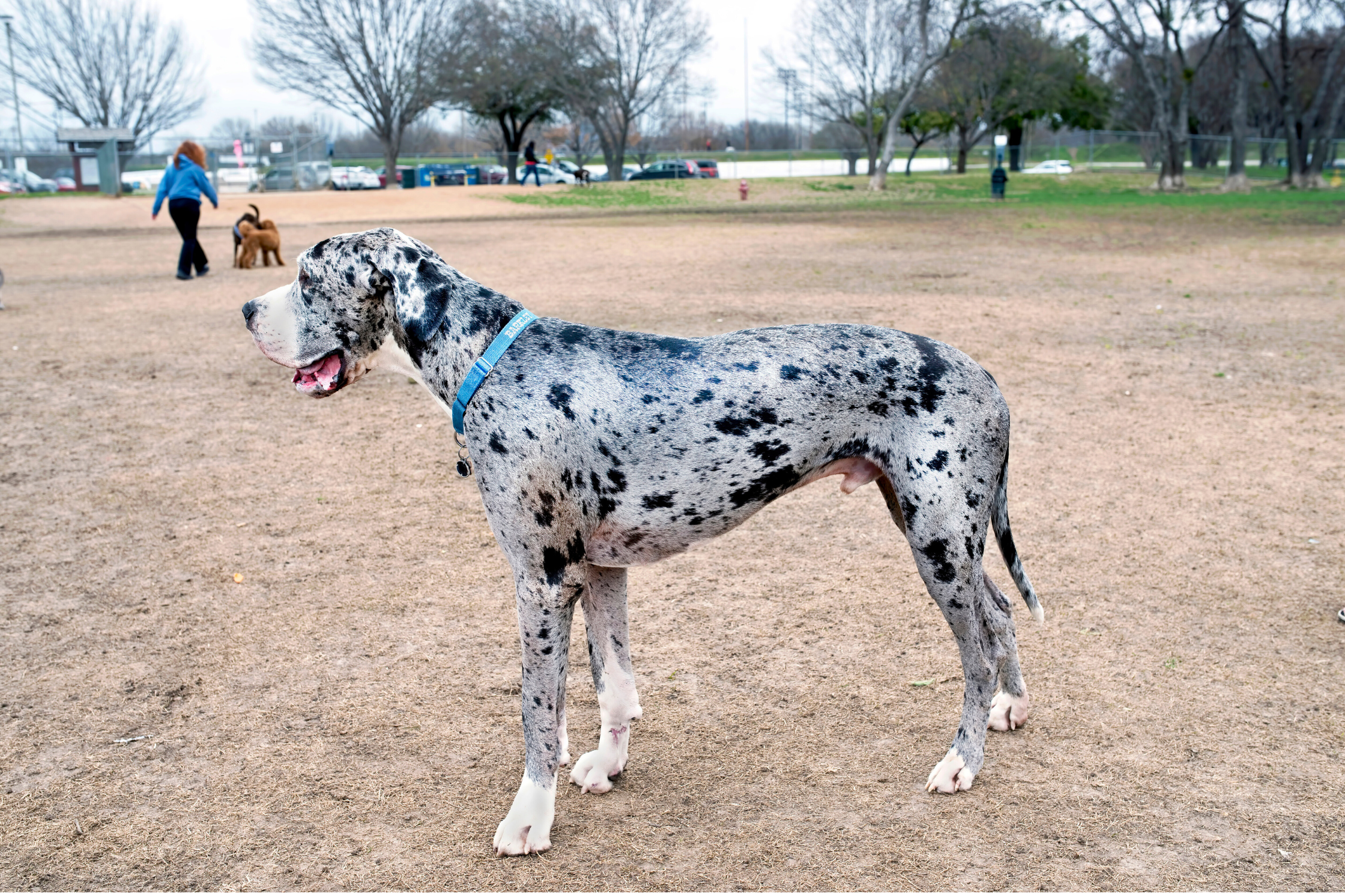
Why Some Great Danes Struggle to Walk (and How Imaging Can Help)
A wobbly gait in a Great Dane isn’t always “just hips.” This blog breaks down why neurologic diseases like Wobbler syndrome are often involved. Learn how imaging uncovers the hidden cause, and what early diagnosis can change for your best friend’s comfort and future.
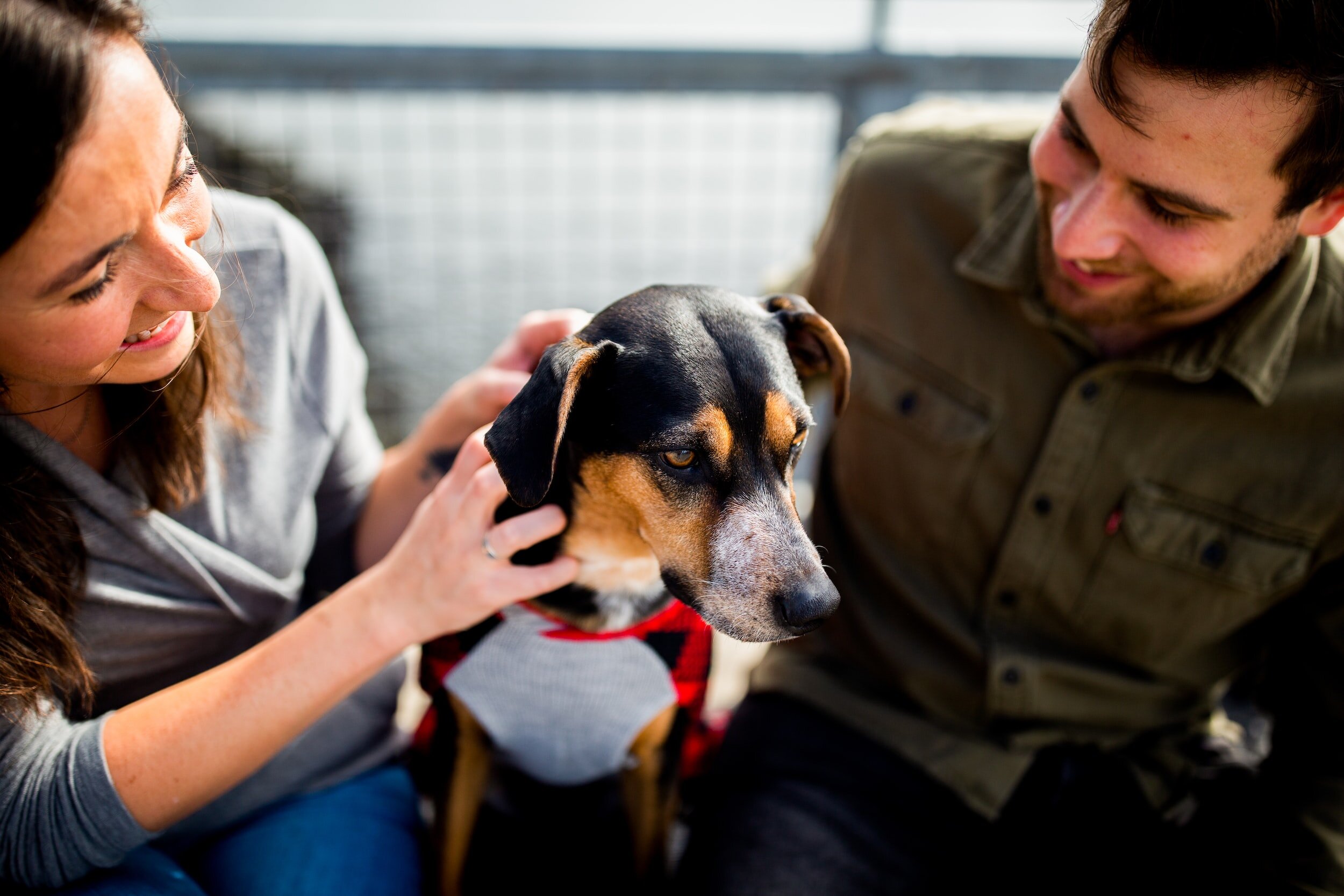
What Pet Parents Need to Know About Veterinary MRI But Rarely Hear (2026 Update)
If your vet recommended an MRI, don’t panic. This guide explains what to expect, how the scan works, and why Sage Veterinary Imaging’s same-day access in Texas and Utah helps you get answers fast.

20 Reasons Your Vet Might Recommend a CT Scan After an Ultrasound
Ultrasound is a great first step. But sometimes, it only tells part of the story. Learn 20 clear signs your pet may need a CT scan to uncover what’s really going on, so you can make confident, informed decisions about their care.
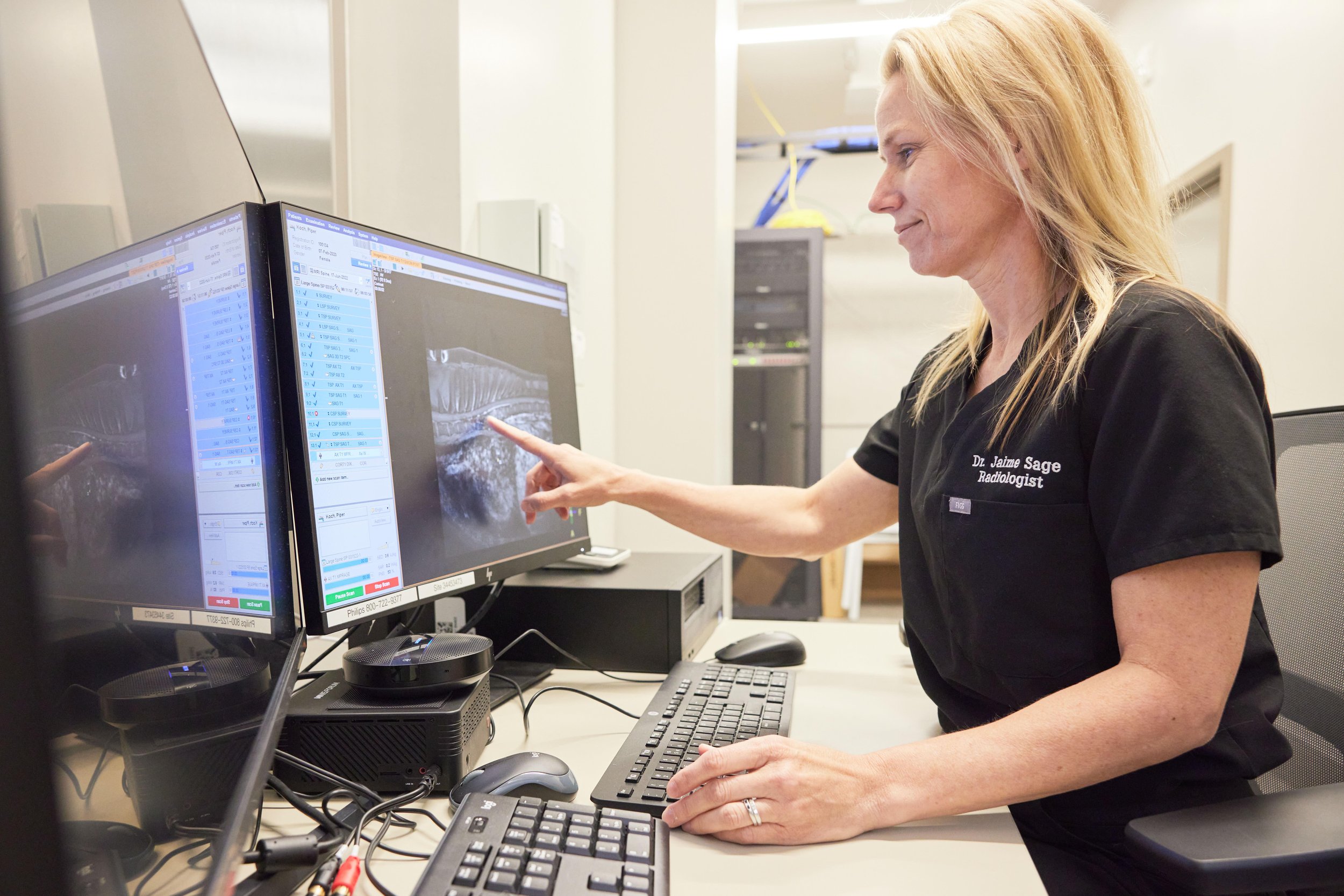
FAQ: Why does my pet need a CT scan?
CT scans use rotating X-rays to create 3D images of your pet’s body, revealing bone injuries, tumors, or hidden disease with remarkable clarity. Discover how this advanced imaging tool helps veterinarians diagnose and plan treatment with confidence.

FAQ: Is an ultrasound better than X-rays for my pet?
X-rays and ultrasound aren’t rivals—they’re partners in diagnosis. Discover how vets use X-rays to get the overview and ultrasound to zoom in on the details, giving a clearer, more complete picture of your pet’s health.
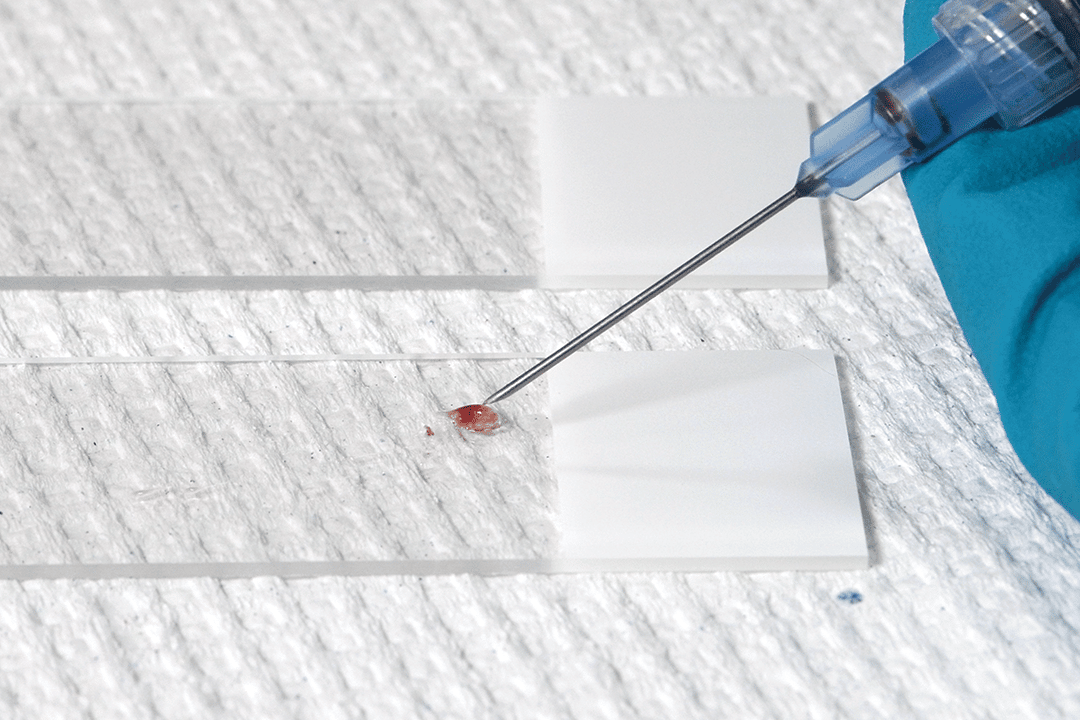
FAQ: Will my dog or cat need a biopsy during their visit?
Not sure if your pet needs a biopsy after imaging? This quick read explains when fine needle aspiration is used, how it helps your vet get answers fast, and why most pets don’t even need sedation. Stay informed and be your pet’s best health advocate.