Sage Veterinary Imaging Blog
Pet Health & Advanced Veterinary Imaging
Categories
- CT
- Cancer
- Case Studies
- Cognitive Dysfunction
- Cost of Care
- Dog Health
- Education
- Expert Insights
- FAQ
- Industry Trends
- Joint Health
- Lumbosacral Disease
- MRI
- Neurological Disease
- Neurology
- Neurosurgery
- Outpatient Imaging
- Payment
- Pet Health
- Pet Insurance
- Pet Parent Guide
- Pet Parent Guides
- Procedures & Treatments
- Symptom & Treatment Guides
- Ultrasound
- Veterinary Imaging Guides

Radiographic Case Review: Pulmonary Metastatic Disease in a Young Australian Cattle Dog
A 4-year-old Australian Cattle Dog came in tired with a small bump, but X-rays told a bigger story. Walk through this real case step by step, learn how vets spot pulmonary metastases, and see why three-view radiographs can change everything for diagnosis.

From Pixel to Prognosis: How Advanced Imaging is Elevating Veterinary Medicine
Behind every scan is a clinical story waiting to be told. This post breaks down how advanced imaging connects data to diagnosis—helping you treat faster, communicate clearer, and feel more confident in the most critical moments of patient care.

FAQ: When will I get my pet’s imaging results?
Fast, clear results help your pet’s care team make the best decisions. Urgent findings are called in right away, and a full written report follows within 24 hours — so your veterinarian has the insight needed to plan treatment and next steps confidently.

The Diagnostic Gap: What’s Causing It—and How to Fix It
Imaging delays don’t just slow treatment—they change outcomes. This blog explores how the diagnostic gap forms, what it costs patients, and how a shift toward outpatient imaging is helping vets move faster, treat sooner, and care better.

Why “Low Cost” Veterinary MRI & CT Aren’t Actually Low Cost
Think a low-cost MRI or CT is a budget-friendly win? Think again. This blog unpacks why cheaper scans often mean more tests, more risk, and bigger bills—and how smart imaging choices lead to faster answers, better care, and lower long-term costs.

The Evolution of Animal Imaging (1980s–Today)
From old-school X-rays to modern MRIs, this timeline shows how vet imaging evolved and where it’s going. Plus, get the free PDF to share with teams, students, or clients—a quick, visual guide you can learn from now or save for later.
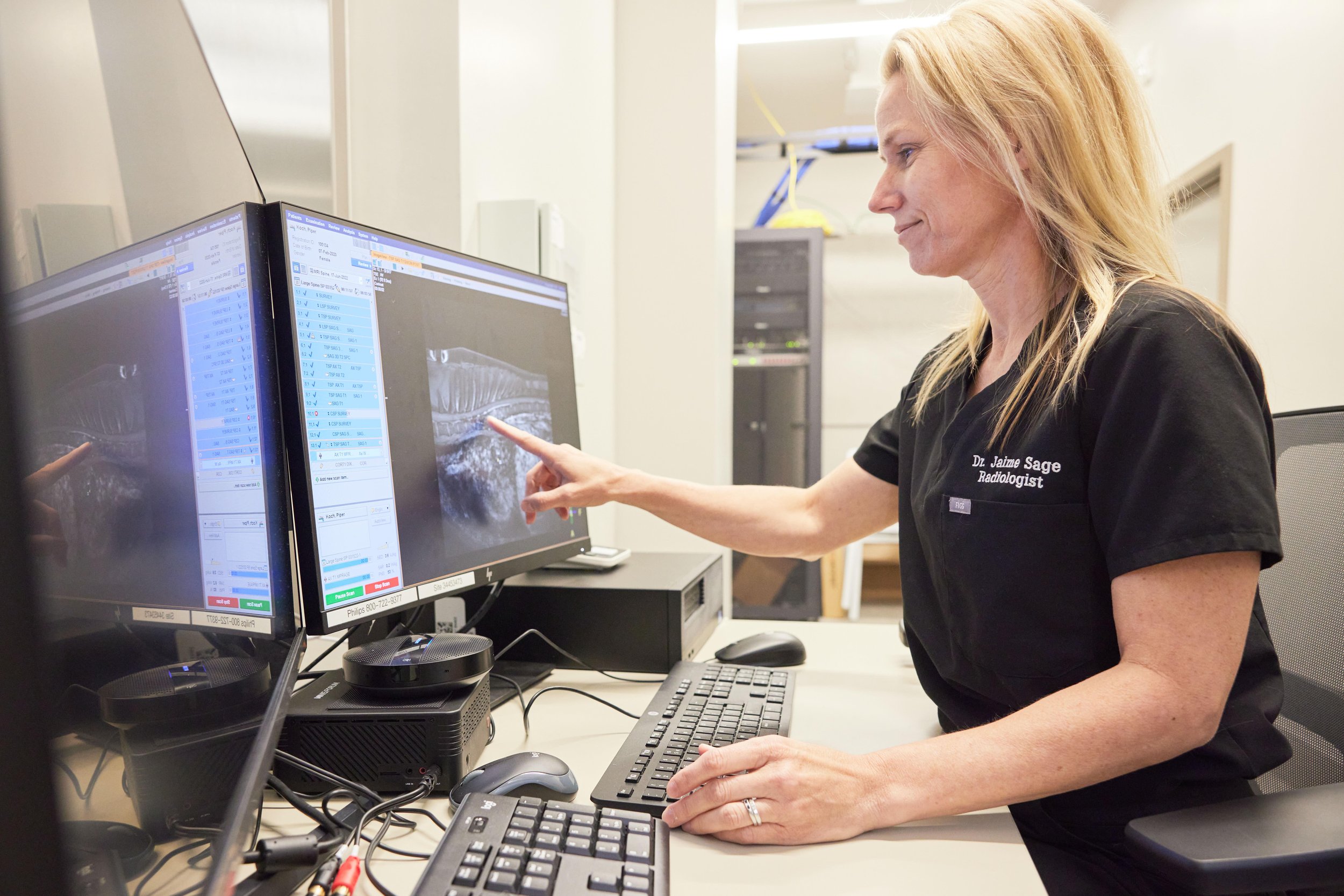
FAQ: Why does my pet need a CT scan?
CT scans use rotating X-rays to create 3D images of your pet’s body, revealing bone injuries, tumors, or hidden disease with remarkable clarity. Discover how this advanced imaging tool helps veterinarians diagnose and plan treatment with confidence.

Parallels Between Human & Veterinary Imaging Innovation
For decades, veterinary imaging has followed the lead of human medicine, and outpatient centers are no exception. This blog breaks down what’s changing, why it matters, and how these advances are making life easier for you and your pets.

Radiation Risk Levels: What Vet Imaging & Flying Have in Common
Is imaging safe for your pet? This blog compares anesthesia and radiation risks to flying—yep, it’s that minor. Learn how to make confident choices, ask the right questions, and give your pet the care they deserve with zero second-guessing

Your Pet’s Ultrasound Came Back “Normal”...Now What?
Your pet’s ultrasound came back normal…but something still feels off. Learn what that really means, when to consider advanced imaging, and why a CT could uncover the answers you need to make the best call for your pet’s care.

The Pet Parent’s Guide to Intestinal Blockages in Cats & Dogs
When your pet stops eating or can’t hold down their dinner, it could be more than an off day—it might be a GI blockage. This blog walks you through the red flags, what vets look for, and how advanced diagnostics help get your pet back on track.
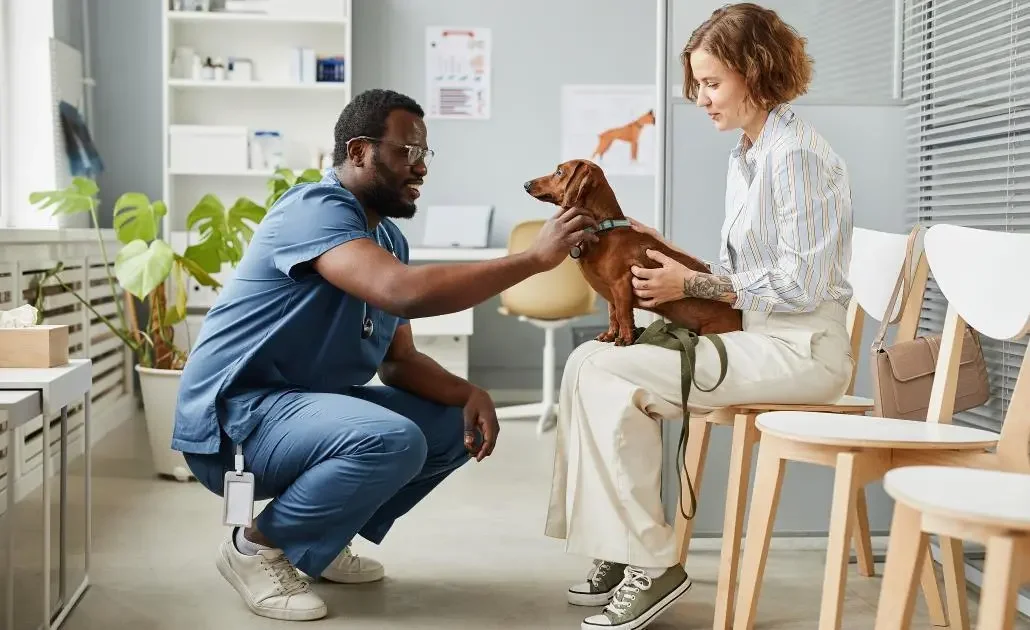
FAQ: How are my pet’s images and results shared with my regular vet?
Seamless communication means better care. Your veterinarian gets detailed imaging results within 24 hours, and specialists can access scans the same day — keeping every doctor informed and your pet’s treatment moving forward without delay.

CT Scans for Pets: FAQ Guide
Learn how CT scans provide clear, 3D images to diagnose issues in pets, from nasal tumors to orthopedic conditions. Discover the benefits of high slice count scanners, what to expect during a CT appointment, and how this advanced imaging improves your pet’s care.

3T MRI in Action: Case Studies Every Pet Owner Should Read
Some pet injuries aren’t as simple as they seem. Explore three real-world-inspired veterinary case studies where MRI uncovers hidden injuries, tumors, and infections that standard imaging missed, leading to faster, more effective treatment for dogs and cats.
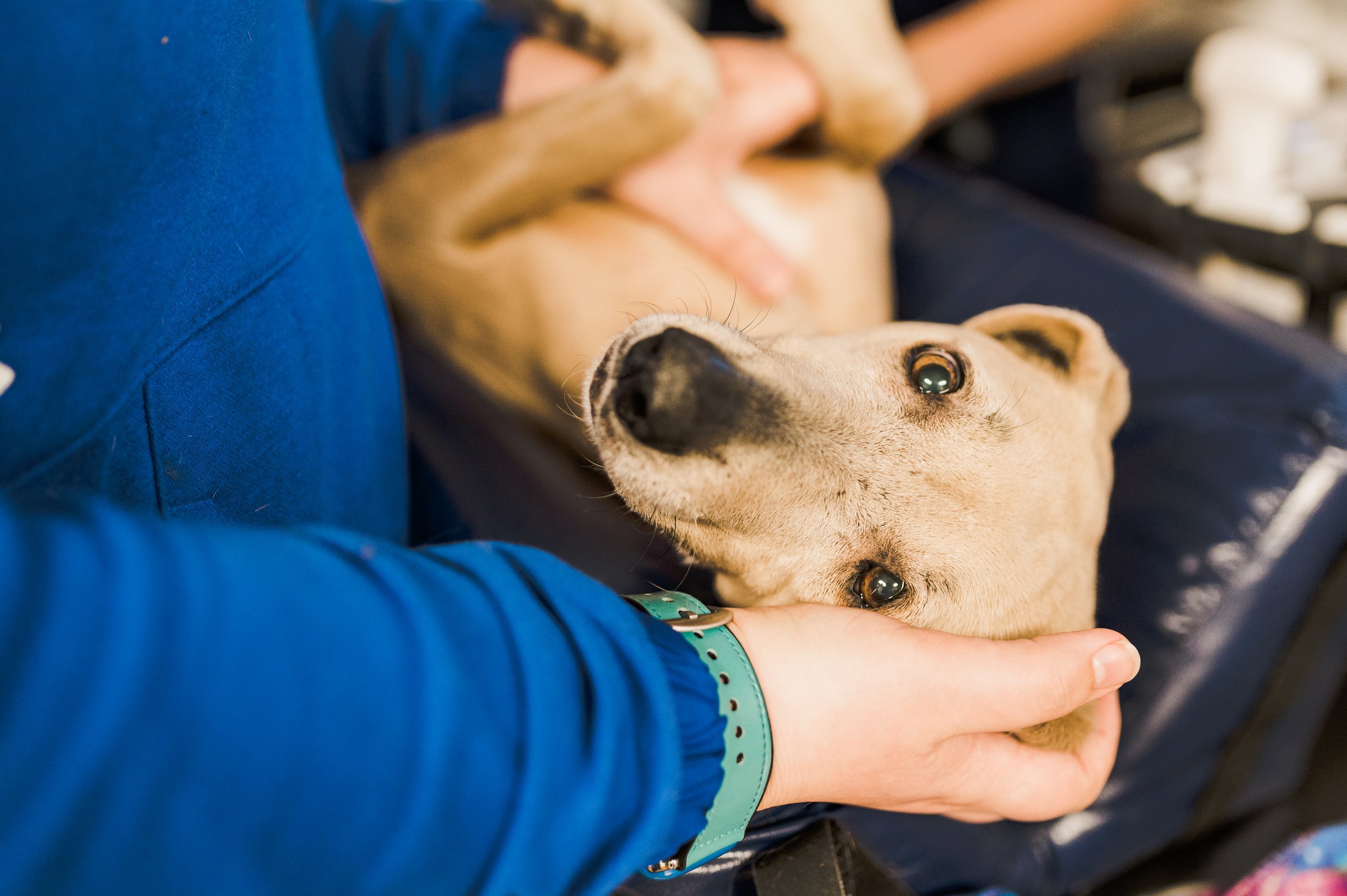
How Does a Vet Diagnose Cancer in Dogs and Cats?
Find out how advanced tools like CT and MRI scans pinpoint tumors and assess their severity, helping veterinarians diagnose cancer in pets. Plus, learn about the 5 most common types of cancers in dogs and how early detection leads to better outcomes.

FAQ: What types of payment do you take at SVI?
Navigating payment for advanced imaging doesn’t have to be complicated. From CareCredit to Trupanion, here’s how we make check-in smooth, upfront, and stress-free so you can stay focused on your pet, not the paperwork.

Where to Get an Ultrasound for Your Pet
Discover how ultrasound diagnoses conditions in pets, from organ issues to blood flow concerns. Learn why it’s effective, how it works, and what to consider when choosing a provider. Accurate results and compassionate care are paramount when it comes to your furry friends!

2025 Update: How Pet Insurance Saves Your Pet’s Life & Your Budget
Vet bills can be unpredictable, but pet insurance helps you plan ahead. Discover what pet insurance covers, how much it costs, and why it’s worth it. Learn how the right plan can save you thousands while ensuring your pet gets the best care possible.

Musculoskeletal MRI Made Simple: A Beginner’s Course for Vet Techs
This one's for vet techs diving into MRI! Get three expert tips on patient positioning, plus discover key MRI sequences, artifact prevention techniques, and must-know vet tech skills to capture clear, accurate scans and assist like a pro.

FAQ: What should I expect when dropping my pet off for imaging?
Imaging drop-off looks different from a traditional vet visit. With check-in, consent forms, and a three-hour window for scans and recovery, the process is designed to keep pets safe, allow medical prioritization, and ensure every patient receives careful attention.