Austin Texas Pet Owners Guide to Veterinary Advanced Imaging

Advanced imaging helps veterinarians diagnose complex conditions with greater accuracy and confidence.
If your veterinarian has recommended advanced imaging for your pet, you likely have questions. What does it involve? Is it necessary? Where do you go in the Austin area?
For pet owners in Austin, Round Rock, and Central Texas, advanced imaging—including MRI, CT scans, ultrasound, and more—plays a critical role in diagnosing complex conditions. At Sage Veterinary Imaging in Round Rock, veterinarians refer patients for high-quality diagnostics when more detailed answers are needed.
This guide will walk you through what advanced imaging is, when it’s used, and what to expect.
What Is Veterinary Advanced Imaging?
Advanced imaging refers to diagnostic tools that allow veterinarians to see inside your pet’s body in detail, beyond what a physical exam or basic X-rays can provide.
Common types of advanced imaging include:
MRI (Magnetic Resonance Imaging)
CT scans (Computed Tomography)
Ultrasound
Echocardiography (cardiac ultrasound)
Each modality serves a different purpose depending on your pet’s symptoms and condition.
When Is Advanced Imaging Needed?
Your veterinarian may recommend advanced imaging when a diagnosis cannot be confirmed through routine testing.
Common reasons include:
Neurological symptoms (seizures, weakness, paralysis)
Suspected intervertebral disc disease (IVDD)
Chronic pain or lameness
Suspected tumors or cancer
Internal organ disease
Heart conditions
Trauma or emergency situations
Advanced imaging helps pinpoint the cause of symptoms and guide treatment decisions.
MRI: Best for Brain and Spine Conditions
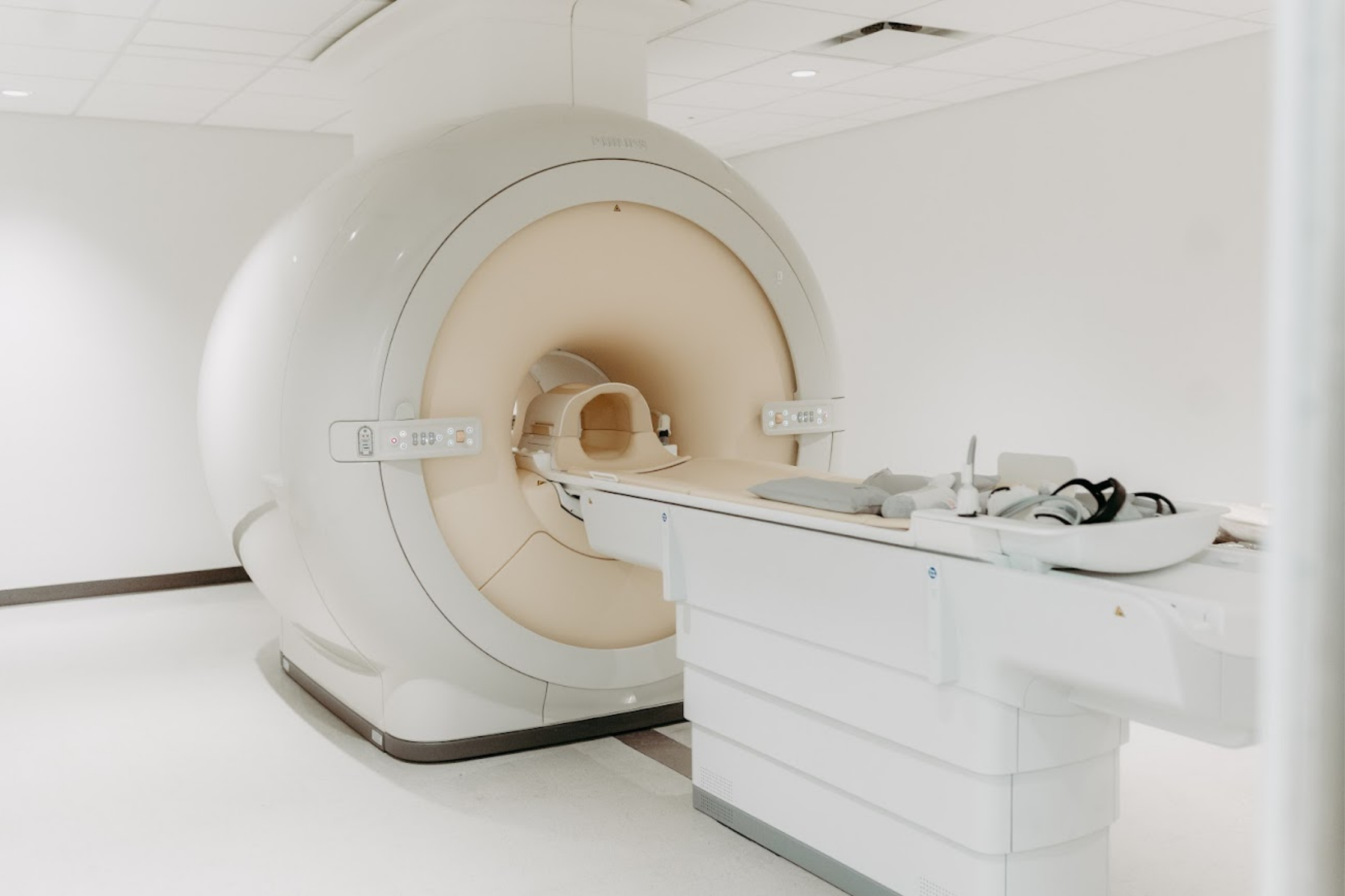
MRI provides detailed images of the brain, spinal cord, and soft tissues, helping veterinarians diagnose neurological and complex medical conditions with precision.
MRI is considered the gold standard for evaluating the brain and spinal cord.
It is commonly used for:
Seizures
IVDD (disc disease)
Brain tumors
Spinal cord injuries
Neurological disorders
At Sage Veterinary Imaging, 3T MRI technology provides high-resolution images that improve diagnostic accuracy.
CT Scans: Fast and Detailed Imaging
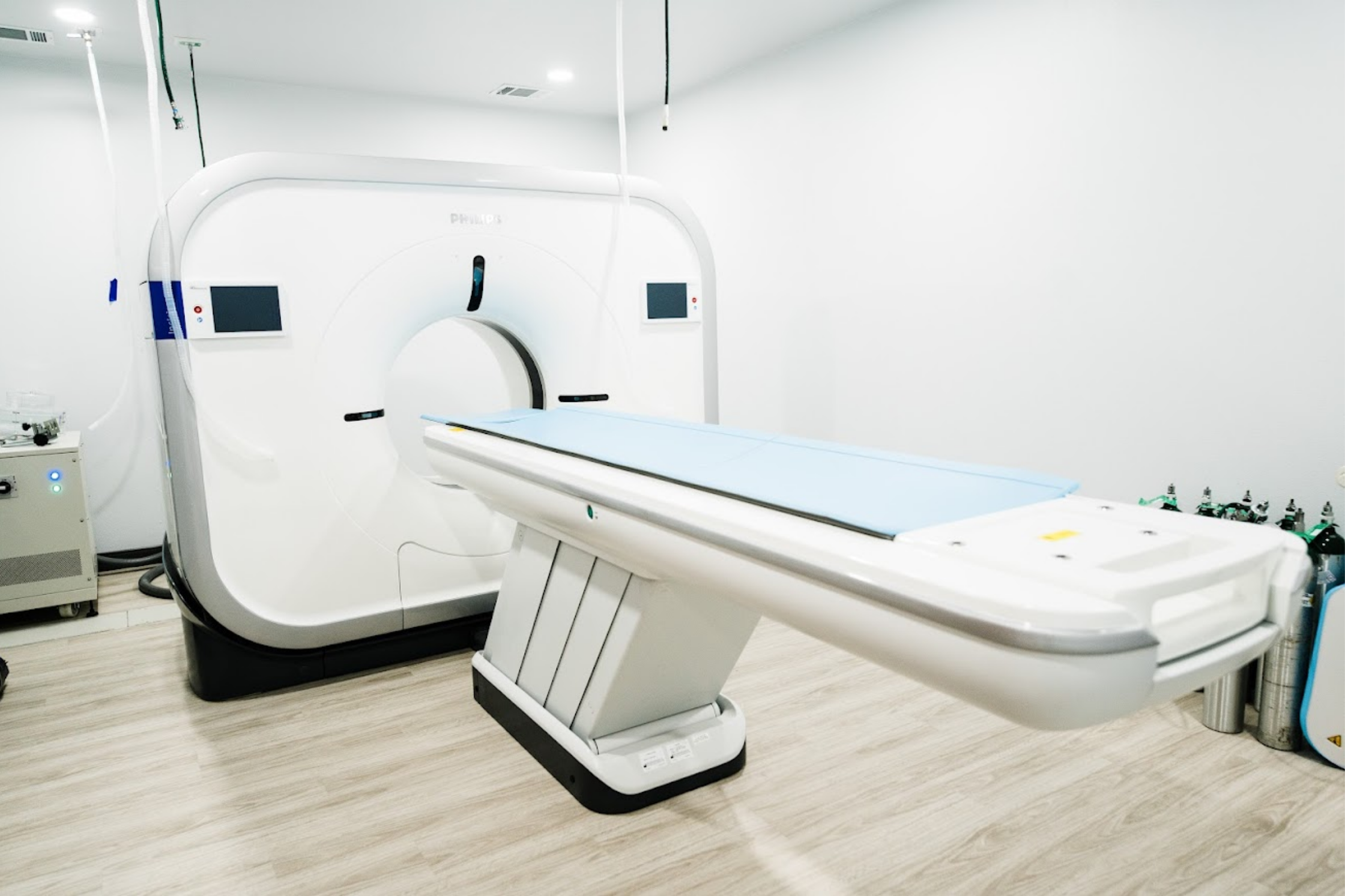
CT scans provide fast, detailed imaging that can help diagnose trauma, cancer, orthopedic conditions, and other complex medical issues.
CT scans are ideal for evaluating bones, lungs, and internal structures.
They are often used for:
Trauma and injuries
Cancer detection and staging
Lung and chest evaluation
Complex orthopedic cases
Internal bleeding
With 128-slice CT technology, scans are completed quickly—often in seconds.
Ultrasound: Real-Time Imaging for Internal Organs
Ultrasound uses sound waves to evaluate soft tissues and organs in real time.
It is commonly used for:
Abdominal evaluations
Liver, kidney, and bladder issues
Detecting fluid in the abdomen
Guiding biopsies
Pregnancy evaluation
Ultrasound is non-invasive and often does not require anesthesia.
Echocardiography: Evaluating the Heart
Echocardiography is a specialized ultrasound used to assess heart structure and function.
It helps diagnose:
Heart murmurs
Valve disease
Cardiomyopathy
Congenital heart defects
This test provides real-time information about how your pet’s heart is functioning.
Where to Get Advanced Imaging in Austin
Veterinary clinics throughout Austin, Round Rock, Cedar Park, Georgetown, Pflugerville, Leander, Kyle, and Buda often refer patients to Sage Veterinary Imaging in Round Rock for advanced diagnostics.
Conveniently located along the Interstate 35 corridor, the facility is easily accessible for pet owners across Central Texas.
What to Expect During Your Visit
Advanced imaging is carefully coordinated to ensure safety and accuracy.
A typical visit includes:
Referral and scheduling
Your veterinarian coordinates the imaging appointment.
Pre-procedure evaluation
Your pet is assessed to ensure they are safe for imaging.
Imaging procedure
MRI, CT, or ultrasound is performed using advanced equipment.
Radiologist interpretation
A board-certified veterinary radiologist reviews the images and sends a report to your veterinarian.
Your veterinarian will then discuss results and next steps with you.
Does My Pet Need Anesthesia?
MRI and most CT scans require anesthesia so your pet remains still
Ultrasound and echocardiography typically do not require anesthesia
Your veterinary team will explain what’s needed based on the type of imaging.
How Advanced Imaging Helps Your Pet
Advanced imaging provides:
Accurate diagnoses
Earlier detection of disease
Better treatment planning
Improved outcomes
In many cases, it eliminates guesswork and helps veterinarians move forward with confidence.
A Collaborative Approach to Care
Sage Veterinary Imaging works closely with veterinarians across Central Texas to provide specialized diagnostics.
The imaging team:
Performs advanced imaging studies
Provides expert interpretation
Communicates directly with your veterinarian
Your primary veterinarian remains responsible for your pet’s overall care and treatment plan.
Helping Austin Pets Get the Answers They Need

Conveniently located in Round Rock, Sage Veterinary Imaging serves pets referred from throughout the Austin and Central Texas region.
When pets develop complex or unexplained symptoms, advanced imaging can provide the clarity needed to move forward.
At Sage Veterinary Imaging in Round Rock, MRI, CT, ultrasound, and specialized diagnostics help veterinarians diagnose conditions accurately and efficiently.
If your veterinarian recommends advanced imaging, services are available nearby in Round Rock to help provide the answers your pet needs.