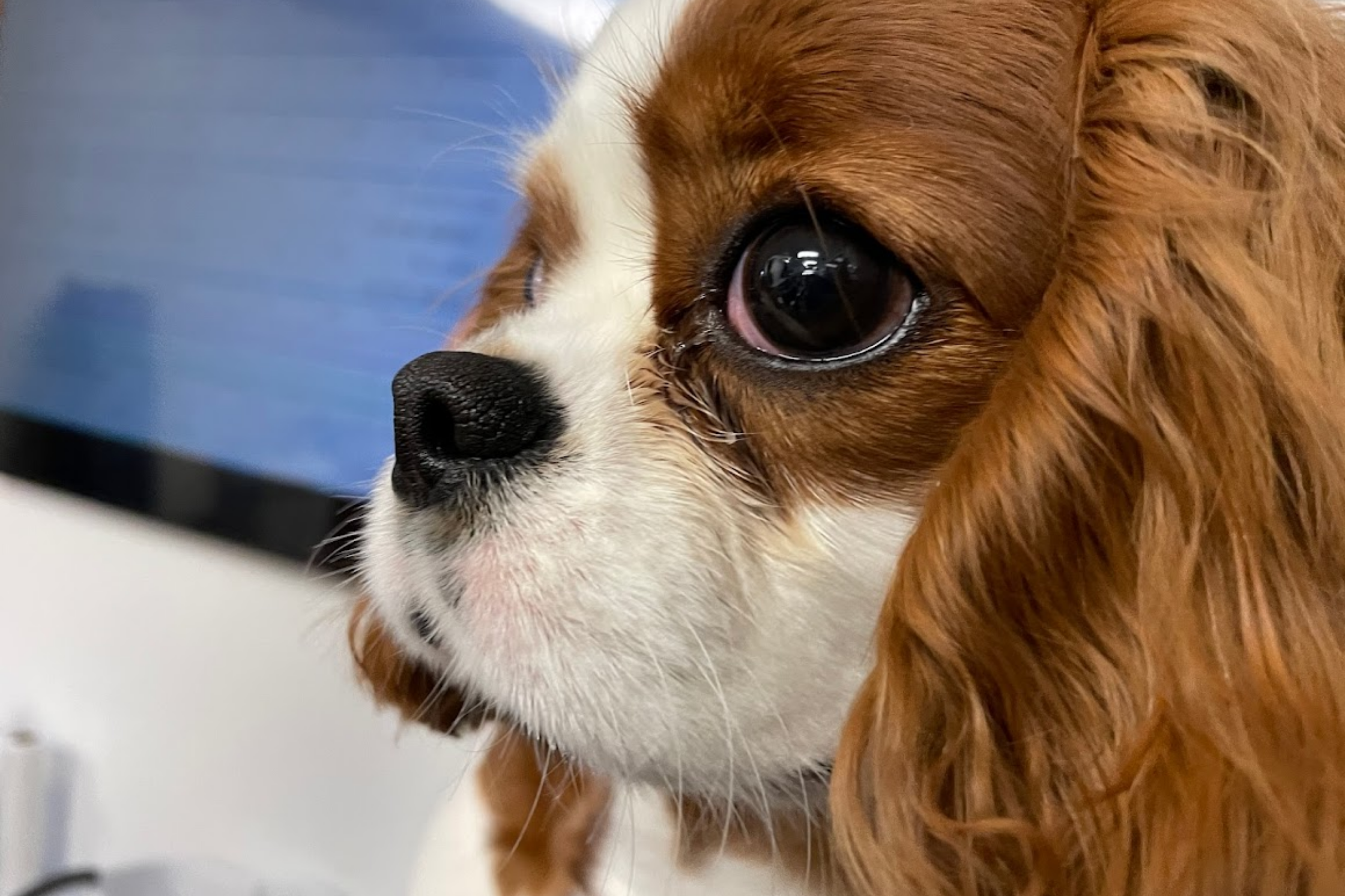
Cavalier King Charles Spaniels are among the breeds most commonly affected by Chiari malformation and syringomyelia.
If your Cavalier King Charles Spaniel has been scratching at the neck, showing signs of pain, or acting unusually sensitive, your veterinarian may be concerned about a condition called Chiari malformation.
For pet owners in Austin, Round Rock, and Central Texas, advanced imaging—especially MRI—is essential for diagnosing this condition. At Sage Veterinary Imaging in Round Rock, veterinarians refer Cavalier patients for high-resolution MRI to evaluate neurological disorders like Chiari malformation.
What Is Chiari Malformation?
Chiari malformation (often called Chiari-like malformation in dogs) is a structural abnormality where the back part of the skull is too small for the brain.
This leads to:
Crowding of brain tissue
Disruption of normal cerebrospinal fluid (CSF) flow
Increased pressure within the skull
In many cases, this condition is associated with syringomyelia, where fluid-filled cavities form within the spinal cord.
Why Cavalier King Charles Spaniels Are at Risk
Chiari malformation is especially common in Cavalier King Charles Spaniels due to their skull shape and genetics.
In fact, a large percentage of Cavaliers may have some degree of this malformation, though not all will show symptoms.
Common Signs to Watch For
Symptoms can vary, but many affected dogs show:
Persistent scratching at the neck or shoulders (often without skin irritation)
Sensitivity when touched around the head, neck, or ears
Yelping or signs of pain without obvious cause
Reluctance to jump or exercise
Weakness or coordination issues
Behavioral changes or irritability
These signs may develop gradually and can sometimes be mistaken for ear infections or allergies.
Why MRI Is Critical for Diagnosis
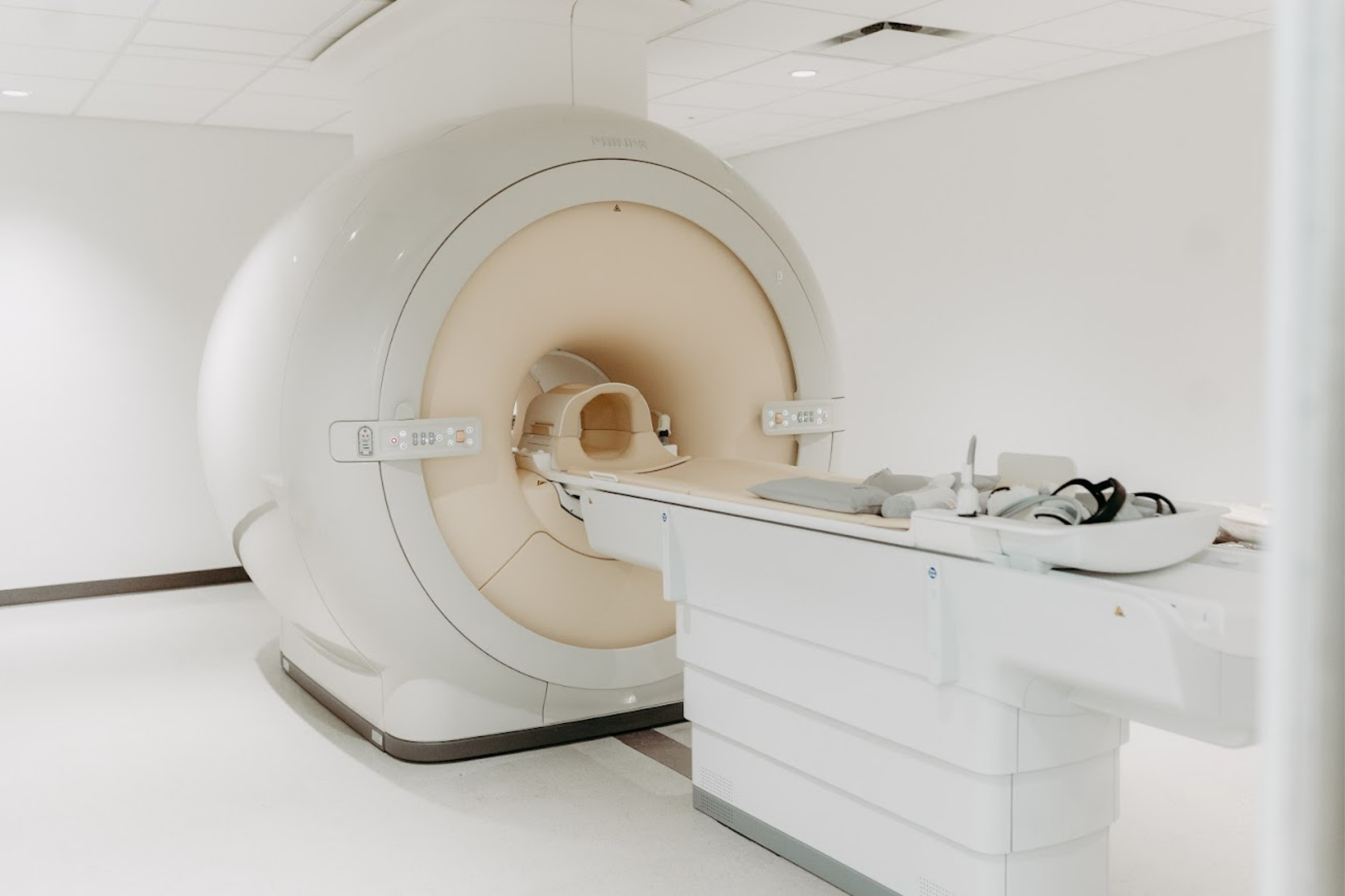
High-resolution 3T MRI technology provides detailed brain and spinal cord imaging for neurological cases.
Chiari malformation and syringomyelia cannot be diagnosed with X-rays or routine exams.
MRI is the only imaging modality that can:
Visualize the brain and spinal cord in detail
Confirm the presence of Chiari malformation
Detect syringomyelia (fluid pockets in the spinal cord)
Assess severity
Help guide treatment decisions
At Sage Veterinary Imaging, 3T MRI technology provides high-resolution images that are especially important for evaluating small and complex neurological structures in toy breeds like Cavaliers.
Where to Get MRI for Cavaliers in Austin
Veterinary clinics throughout Austin, Round Rock, Cedar Park, Georgetown, Pflugerville, Leander, Kyle, and Buda often refer Cavalier King Charles Spaniels to Sage Veterinary Imaging in Round Rock for advanced neurological imaging.
Located along the Interstate 35 corridor, the facility is easily accessible for pet owners across Central Texas.
What to Expect During an MRI
MRI requires your dog to remain completely still, so the procedure is performed under anesthesia.
A typical visit includes:
Medical review
The imaging team reviews your dog’s history and clinical signs.
Anesthesia and monitoring
Your Cavalier is placed under carefully controlled anesthesia.
MRI imaging
Detailed images of the brain and cervical spine are captured.
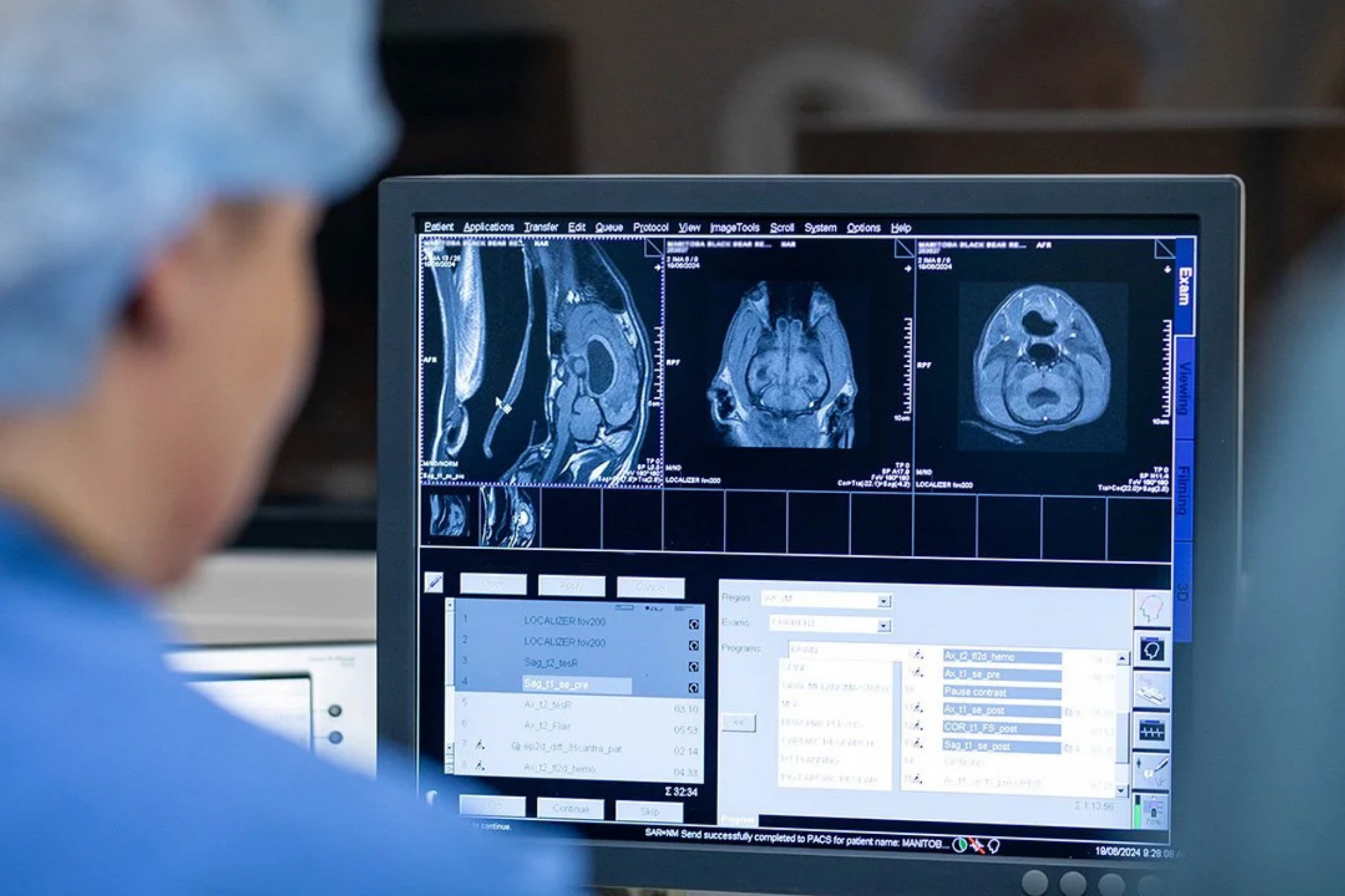
MRI is the gold standard for diagnosing Chiari malformation and associated neurological conditions in Cavaliers.
Radiologist interpretation
A board-certified veterinary radiologist evaluates the images and provides a report to your veterinarian.
Your veterinarian will then discuss the diagnosis and next steps with you.
Treatment Options
Treatment depends on the severity of the condition and your dog’s symptoms.
Options may include:
Medical management (pain control, anti-inflammatory medications)
Medications to reduce CSF pressure
Activity modification
Surgical intervention in severe cases
MRI findings play a key role in determining the most appropriate treatment plan.
Why Early Diagnosis Matters
Early diagnosis can:
Help manage pain more effectively
Slow progression of symptoms
Improve quality of life
Provide more treatment options
Because symptoms can be subtle at first, early imaging is especially valuable in at-risk breeds like Cavaliers.
A Collaborative Approach to Neurological Care
Sage Veterinary Imaging works closely with veterinarians across Central Texas to support the diagnosis of complex neurological conditions.
The imaging team provides:
Advanced MRI diagnostics
Expert interpretation by veterinary radiologists
Timely scheduling for neurological cases
Your primary veterinarian remains responsible for treatment and long-term management.
Helping Austin-Area Cavaliers Live More Comfortably

Sage Veterinary Imaging serves referring veterinarians and pet owners throughout the Austin and Central Texas region.
Chiari malformation can significantly impact a Cavalier’s comfort—but with accurate diagnosis and proper management, many dogs can live happy, fulfilling lives.
At Sage Veterinary Imaging in Round Rock, advanced MRI technology helps veterinarians diagnose neurological conditions with precision, giving your dog the best path forward.
If your Cavalier is showing signs of unexplained pain or sensitivity, advanced imaging is available nearby to help provide answers.