Emergency Imaging for Pets in Austin and Round Rock, Texas
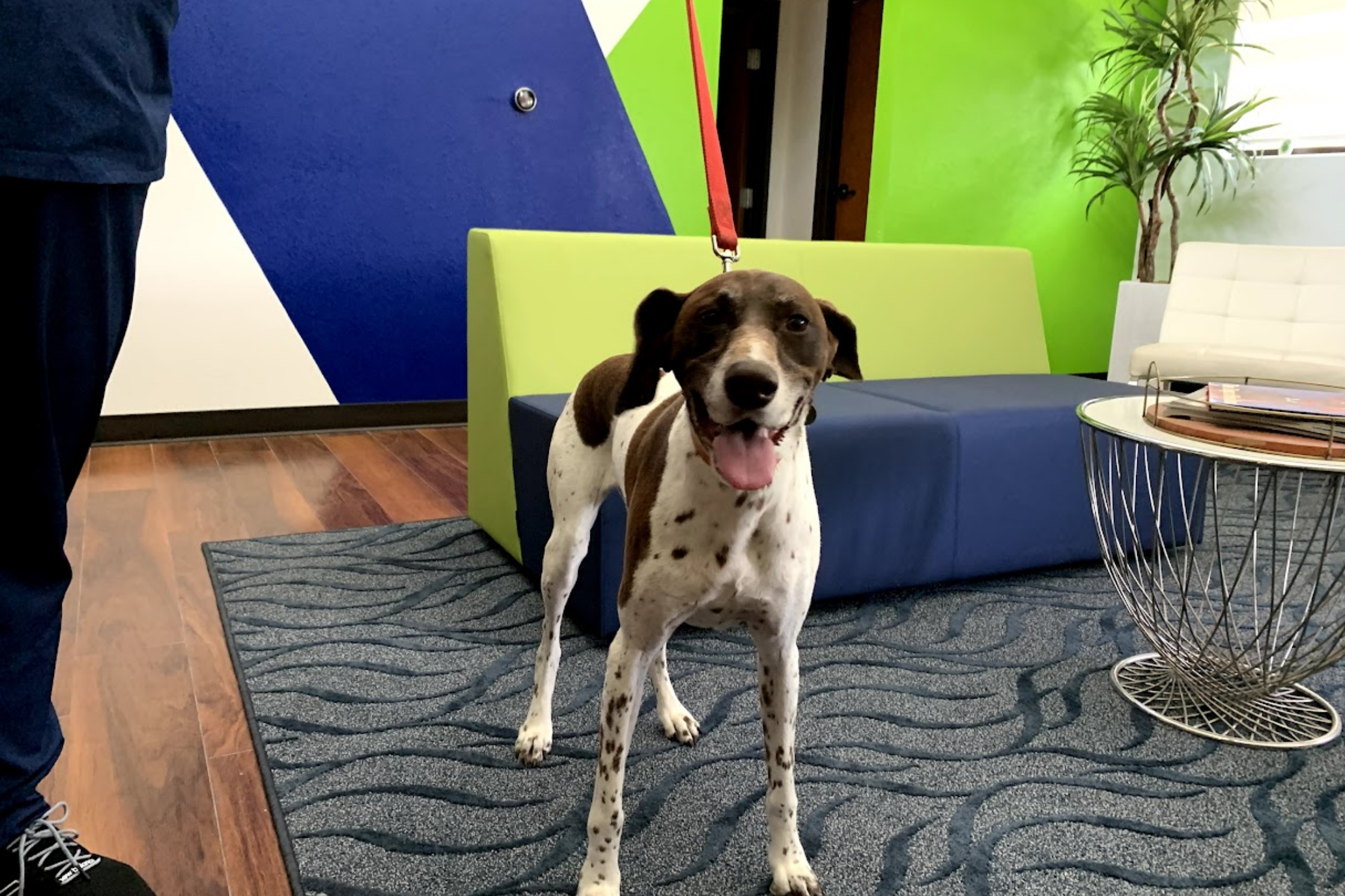
Timely diagnostic imaging can help veterinarians quickly identify the cause of sudden illness, injury, or neurological symptoms in pets.
When your pet experiences a sudden medical emergency—like difficulty walking, trauma, or severe internal illness—getting answers quickly is critical. In many cases, advanced imaging such as MRI, CT, or ultrasound is needed to diagnose the problem and guide treatment.
For pet owners in Austin, Round Rock, and Central Texas, emergency imaging is often coordinated through your veterinarian and performed at Sage Veterinary Imaging in Round Rock, where advanced diagnostics are available to support urgent cases.
What Is Emergency Imaging?
Emergency imaging refers to advanced diagnostic scans performed urgently to evaluate serious or life-threatening conditions.
These may include:
MRI (for brain and spinal cord conditions)
CT scans (for trauma, internal bleeding, or tumors)
Ultrasound (for abdominal emergencies and organ evaluation)
These tools allow veterinarians to quickly see what’s happening inside your pet’s body and make informed decisions.
When Pets Need Emergency Imaging
Your veterinarian may recommend urgent imaging if your pet shows signs such as:
Sudden inability to walk or stand
Trauma (hit by car, fall, or injury)
Difficulty breathing
Severe abdominal pain or bloating
Uncontrolled vomiting
Collapse or weakness
Seizures or neurological changes
Suspected internal bleeding
These symptoms often require immediate evaluation to determine the cause and next steps.
Types of Emergency Imaging for Pets
Different imaging modalities are used depending on the condition being evaluated.
MRI for Neurological Emergencies
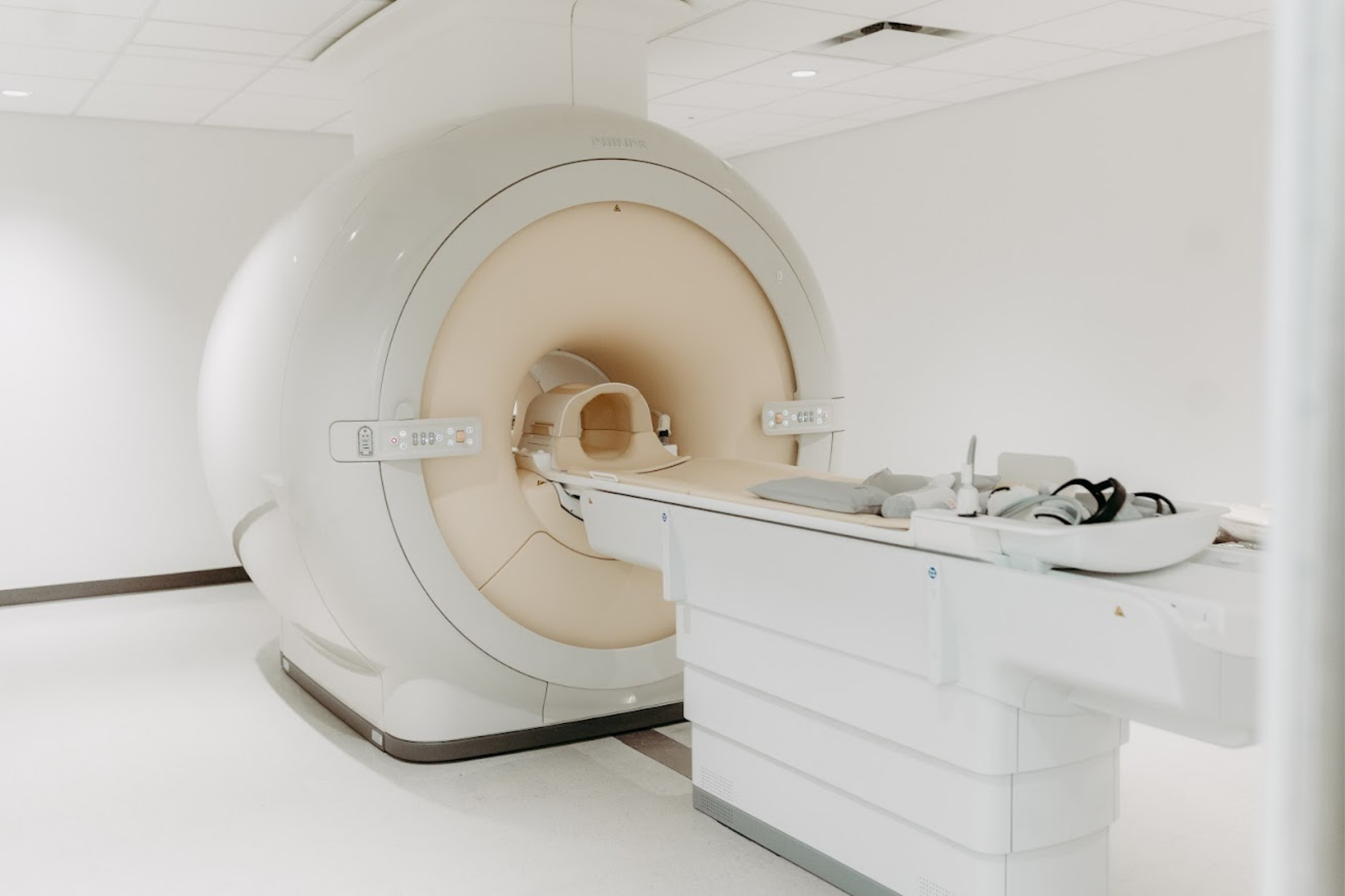
High-field 3T MRI technology provides detailed imaging for evaluating neurological disorders, spinal conditions, and other complex diseases in pets.
MRI is the preferred tool for evaluating:
Spinal cord injuries
Intervertebral disc disease (IVDD)
Brain conditions causing seizures
Sudden paralysis
MRI provides detailed images of soft tissues and is essential for diagnosing neurological emergencies.
CT Scans for Trauma and Internal Injury
CT scans are often used in urgent situations because they are fast and highly detailed.
They are commonly used to evaluate:
Internal bleeding
Chest trauma
Lung conditions
Fractures and complex injuries
Abdominal masses
At Sage Veterinary Imaging, 128-slice CT technology allows scans to be completed in seconds.
Ultrasound for Abdominal Emergencies
Ultrasound is frequently used for:
Evaluating internal organs
Detecting fluid in the abdomen
Assessing the liver, spleen, kidneys, and bladder
Guiding emergency procedures
It provides real-time imaging and can often be performed quickly without anesthesia.
Where to Get Emergency Imaging in Austin and Round Rock

Sage Veterinary Imaging provides advanced MRI, CT, and ultrasound services for pets referred from across the Austin and Round Rock area.
Veterinary clinics throughout Austin, Round Rock, Cedar Park, Georgetown, Pflugerville, Leander, Kyle, and Buda coordinate emergency imaging with Sage Veterinary Imaging in Round Rock when advanced diagnostics are needed.
Located along the Interstate 35 corridor, the facility provides accessible, high-quality imaging for pets across Central Texas.
Because Sage operates as a dedicated outpatient imaging center, the team can often accommodate urgent cases quickly when referred by a veterinarian.
What to Expect During an Emergency Imaging Visit
Even in urgent situations, safety and coordination remain the top priorities.
A typical process includes:
Veterinary coordination
Your primary or emergency veterinarian communicates with the imaging team to determine urgency and imaging needs.
Rapid intake and preparation
Your pet is evaluated and prepared for imaging as quickly as possible.
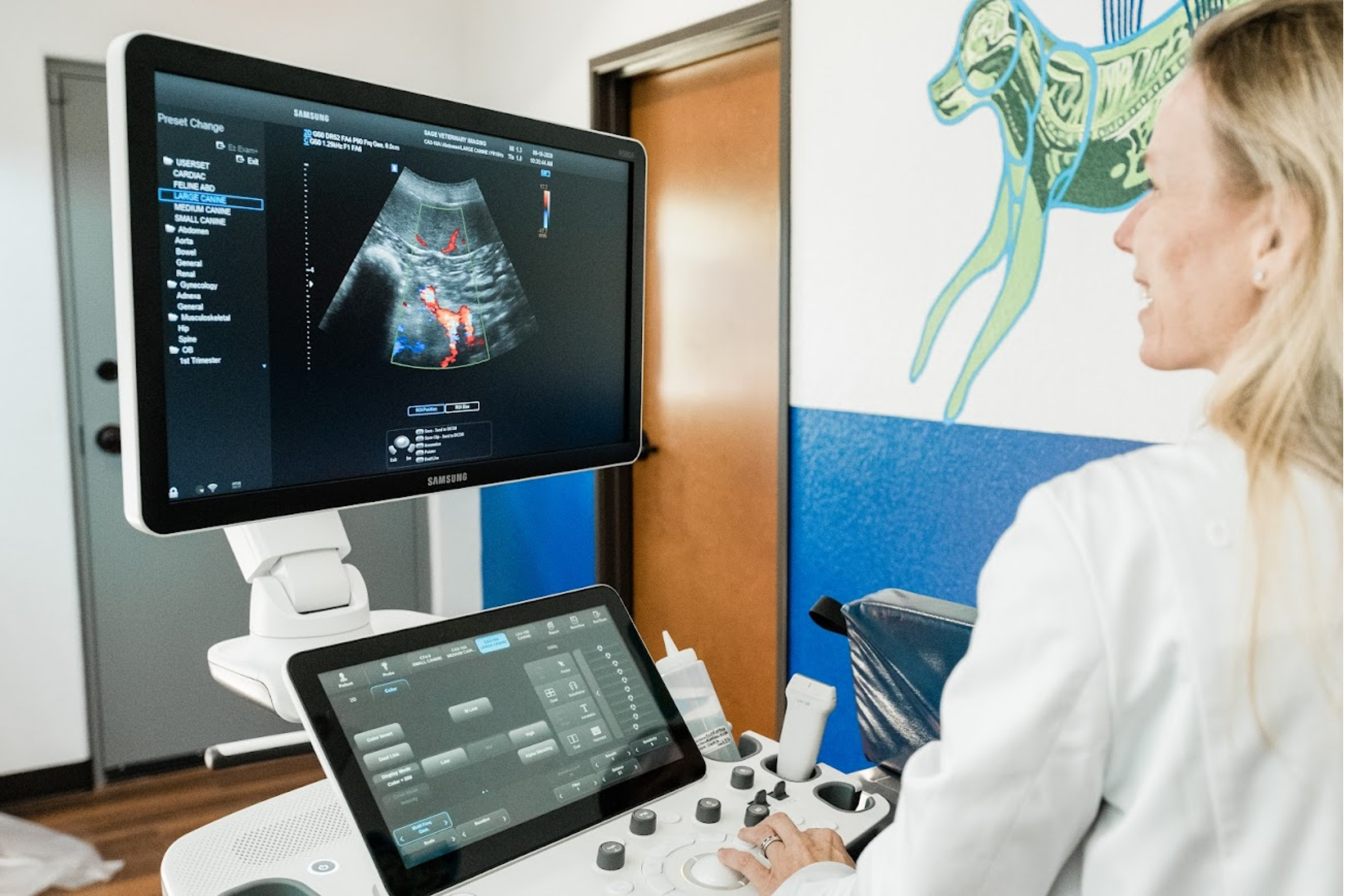
Ultrasound offers real-time imaging for evaluating abdominal emergencies, organ function, and other urgent medical conditions in pets.
Imaging procedure
MRI, CT, or ultrasound is performed using advanced equipment.
Radiologist interpretation
A board-certified veterinary radiologist reviews the images and provides a report to your veterinarian.
Results are shared quickly so treatment decisions can be made without delay.