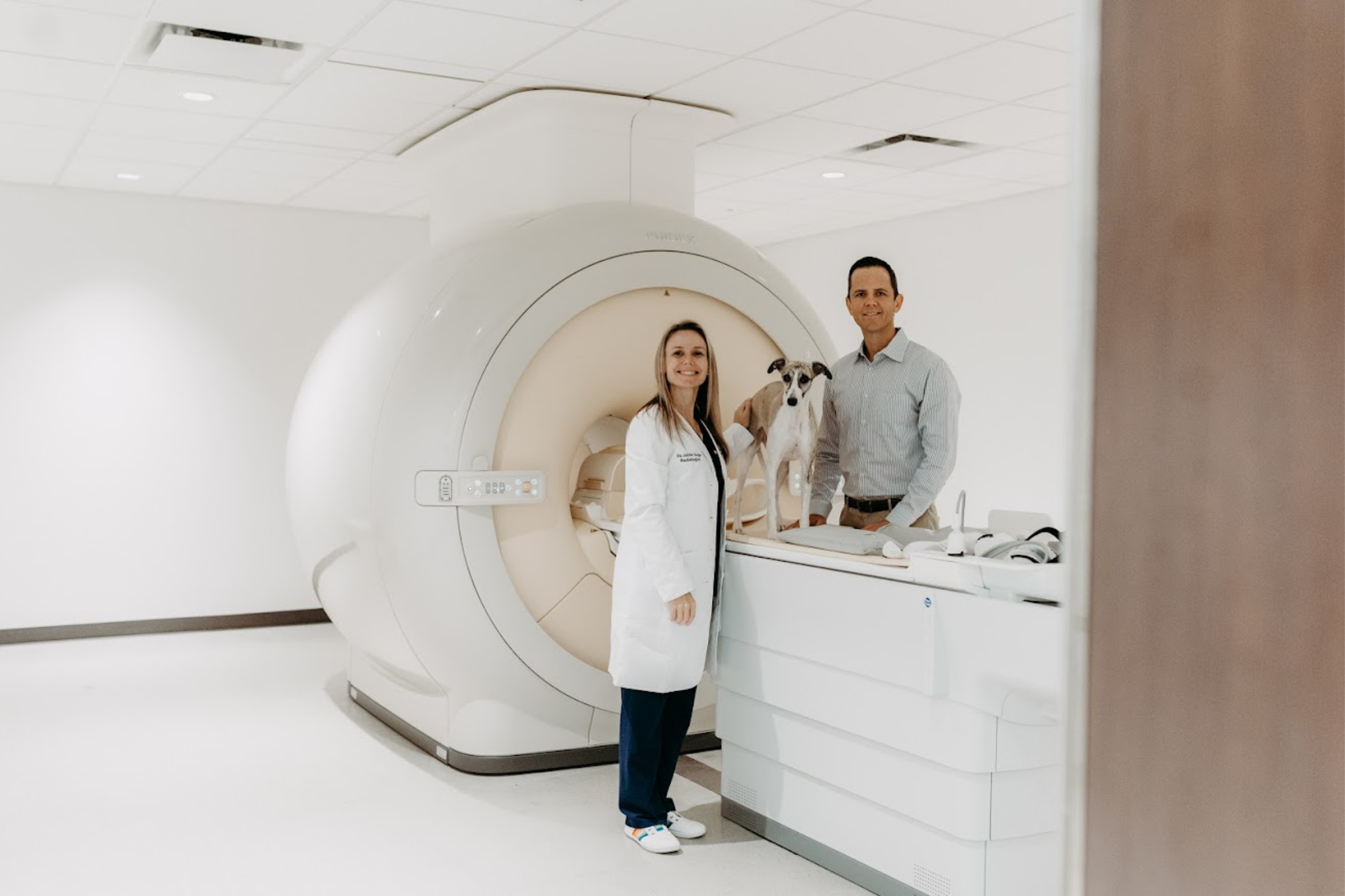
Advanced MRI technology helps veterinarians diagnose age-related conditions in senior pets throughout Utah.
If your veterinarian has recommended an MRI for your pet, one of the first questions you’ll likely ask is: How much does it cost?
In the Austin area, the cost of a veterinary MRI for dogs and cats can vary depending on the complexity of the case, the type of imaging needed, and the facility performing the scan.
This guide will help you understand typical price ranges, what affects cost, and what you’re paying for.
Average Cost of a Pet MRI in Austin Texas
In most cases, a veterinary MRI in the Austin area typically ranges from:
$2,500 to $5,500+
General pricing breakdown:
Standard MRI study: $2,500 – $3,500
Complex or multi-region MRI: $3,500 – $5,500+
Emergency or after-hours MRI: May be higher
Costs can vary depending on the level of detail required and whether imaging is performed in an emergency or referral setting.
What Factors Affect the Cost?
MRI is one of the most advanced imaging tools in veterinary medicine, and several factors influence pricing:
1. Area of the Body Being Imaged
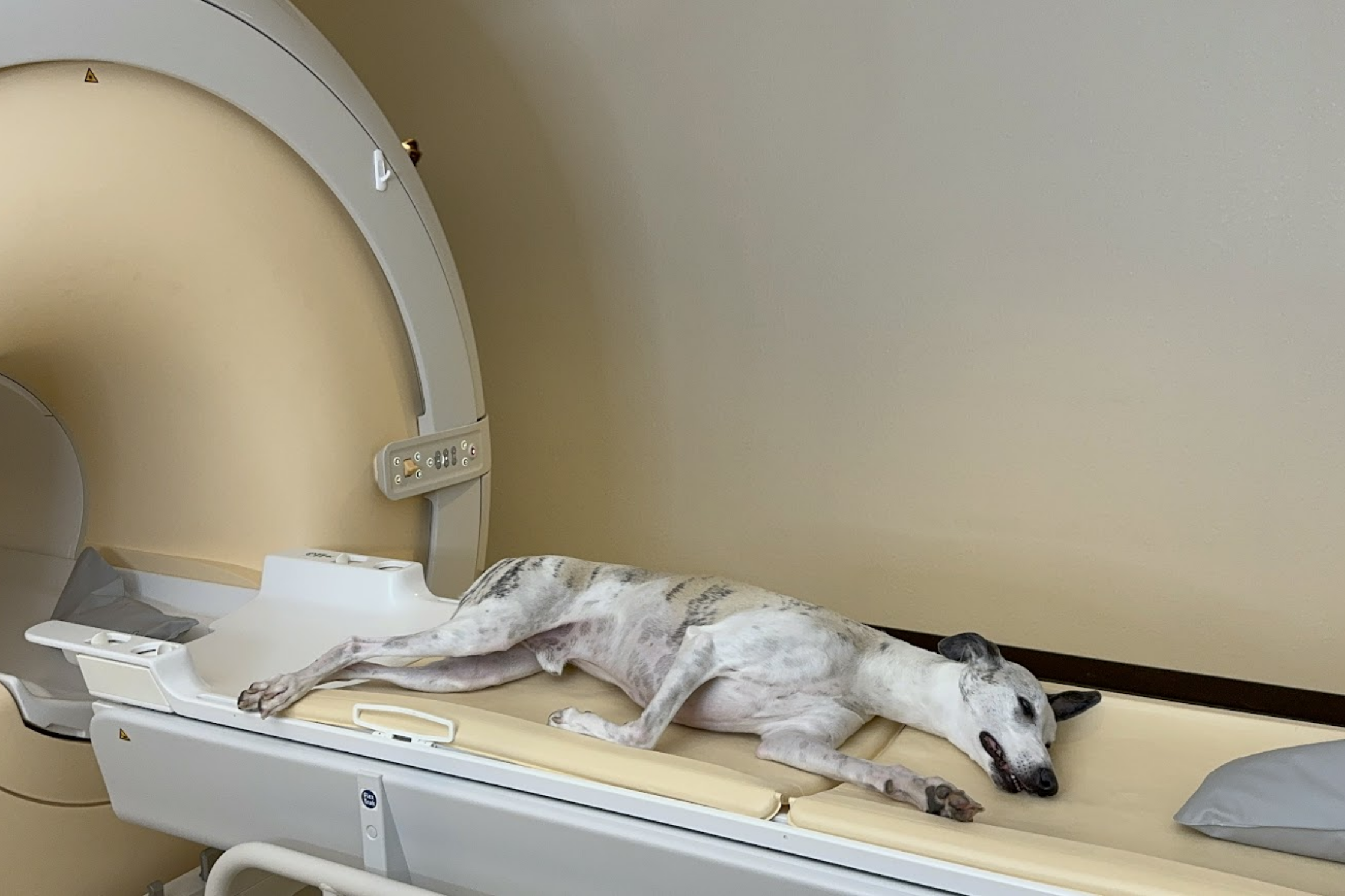
MRI provides detailed evaluation of neurological and spinal conditions commonly seen in aging pets.
Different regions require different imaging protocols:
Brain MRI
Spine MRI (often more complex)
Multiple regions in one study
More complex studies typically increase cost.
2. Anesthesia and Monitoring
MRI requires your pet to remain completely still, so general anesthesia is required.
This includes:
Anesthesia medications
Continuous monitoring
Skilled veterinary staff
This is essential for both safety and image quality.
3. Radiologist Interpretation
A board-certified veterinary radiologist reviews the MRI images and provides a detailed report.
Critical for accurate diagnosis
Typically included in the total cost
4. Length and Complexity of the Study
MRI scans can take 30–90 minutes or longer, depending on the case.
More complex cases may require:
Additional imaging sequences
Multiple scan planes
Advanced protocols
This can increase the overall cost.
5. Facility Type and Technology
Costs may differ between:
Emergency and specialty hospitals
University veterinary centers
Outpatient imaging facilities
Facilities using high-field MRI systems (such as 3T MRI) provide more detailed images, which can improve diagnostic accuracy.
Dedicated outpatient imaging centers—like Sage Veterinary Imaging in Round Rock—are often able to provide high-quality MRI with more efficient pricing compared to emergency hospitals.
Why MRI Is More Expensive Than Other Imaging
MRI is more costly than X-rays or ultrasound because it provides unmatched detail of soft tissues, especially the brain and spinal cord.
It is often the only way to diagnose certain conditions, including:
Neurological disorders
Intervertebral disc disease (IVDD)
Brain tumors
Spinal cord injuries
Inflammatory or degenerative diseases
In many cases, MRI eliminates uncertainty and helps avoid unnecessary treatments or procedures.
When Is an MRI Recommended?
Your veterinarian may recommend an MRI if your pet has:
Seizures
Sudden weakness or paralysis
Chronic neck or back pain
Loss of coordination
Suspected neurological disease
MRI is typically used when a precise diagnosis is critical for treatment planning.
Where to Get a Veterinary MRI in the Austin Area
Veterinary clinics throughout Austin, Round Rock, Cedar Park, Georgetown, Pflugerville, Leander, Kyle, and Buda often refer patients to Sage Veterinary Imaging in Round Rock for MRI diagnostics.
Located along the Interstate 35 corridor, the facility provides convenient access for pet owners across Central Texas.
What to Expect During an MRI Appointment
A typical MRI visit includes:
Pre-anesthesia evaluation
Your pet is assessed to ensure they are safe for anesthesia.
MRI imaging
The scan is performed using advanced equipment over 30–90 minutes.
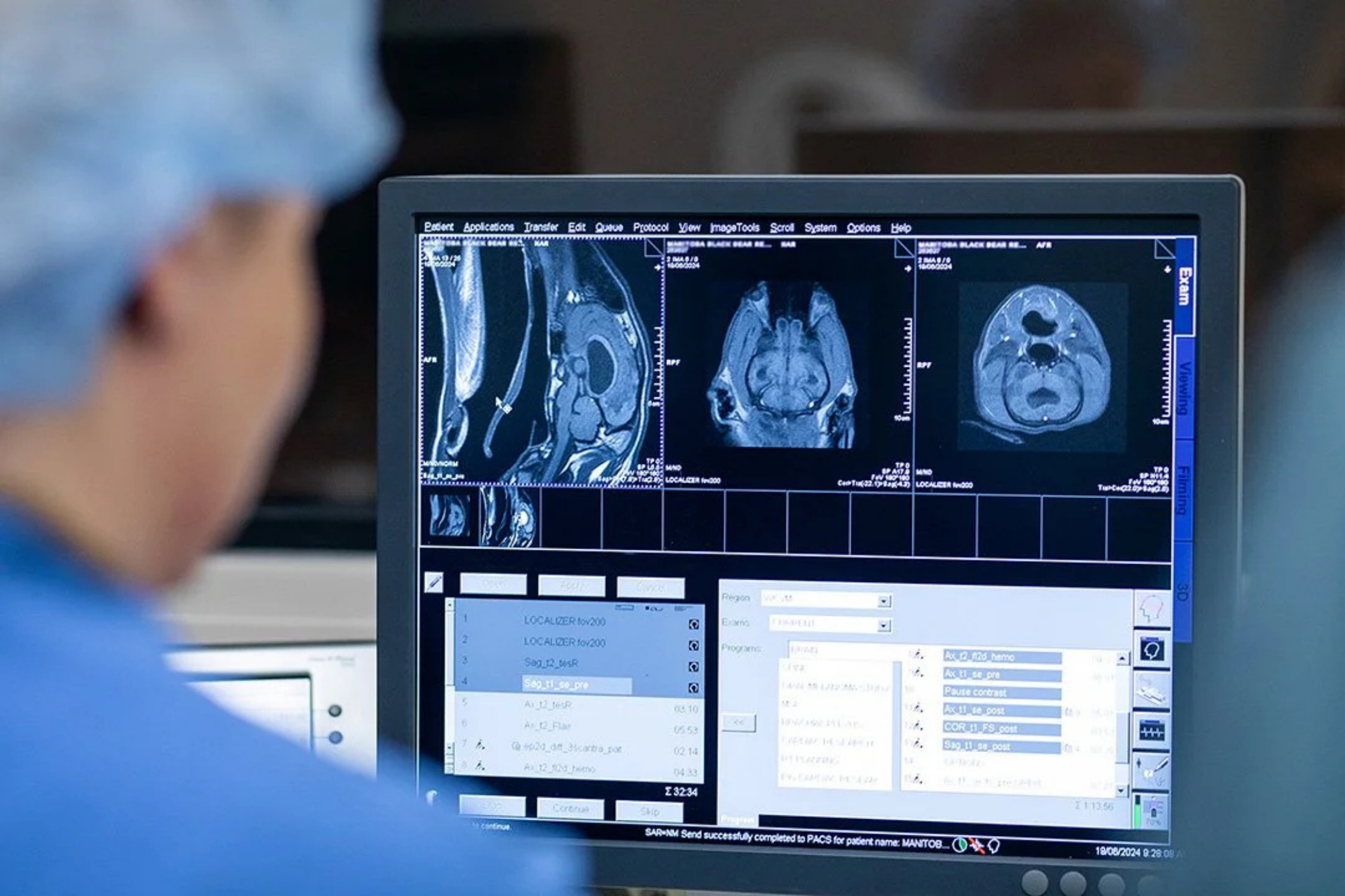
Advanced imaging studies help veterinarians evaluate complex conditions in senior pets with greater accuracy.
Radiologist interpretation
A specialist reviews the images and sends a report to your veterinarian.
Follow-up
Your veterinarian discusses the diagnosis and next steps.
Does Pet Insurance Cover MRI?
Many pet insurance plans cover MRI if it is:
Medically necessary
Recommended by a veterinarian
Because MRI is a higher-cost procedure, insurance can significantly reduce out-of-pocket expenses depending on your policy.
Making an Informed Decision
MRI is one of the most powerful diagnostic tools available in veterinary medicine. While the cost is higher than other imaging options, the value lies in the clarity and precision it provides.
For many pets, MRI helps:
Reach a definitive diagnosis
Guide surgery or treatment
Improve outcomes
Avoid unnecessary procedures
Helping Austin Pet Owners Navigate MRI Costs

Sage Veterinary Imaging provides advanced MRI, CT, and ultrasound services for pets across Utah.
At Sage Veterinary Imaging in Round Rock, the focus is on providing high-quality, efficient, and collaborative MRI diagnostics for pets across Central Texas.
If your pet needs an MRI, understanding the cost—and what’s included—can help you make a confident, informed decision about their care.