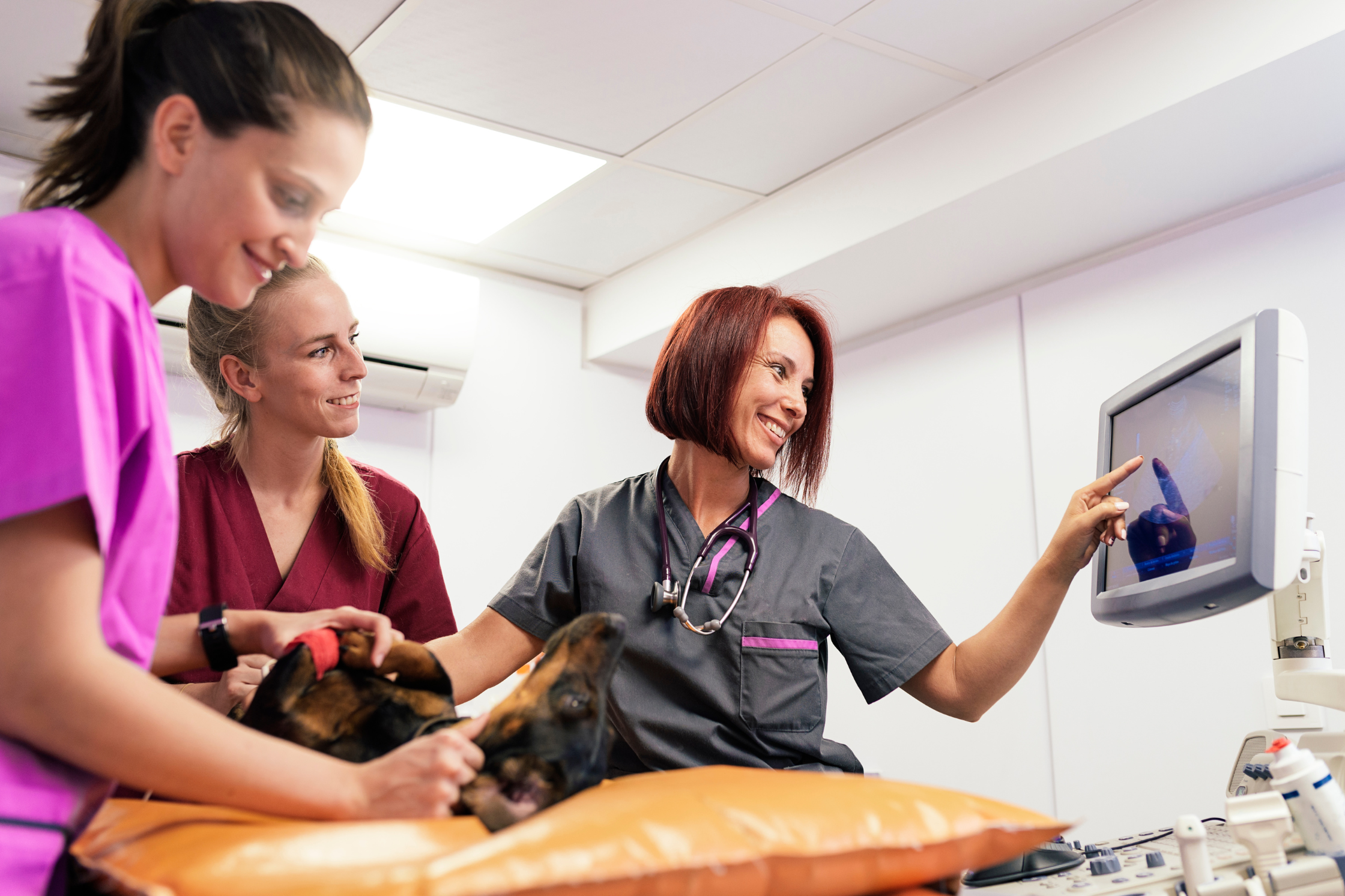
Veterinary professionals perform an abdominal ultrasound to evaluate a dog's internal organs.
If your veterinarian has recommended an ultrasound for your pet, one of the first questions you may have is: How much does it cost?
In Utah, the cost of a veterinary ultrasound for dogs and cats can vary depending on the type of exam, the complexity of your pet’s condition, and where the imaging is performed.
This guide will help you understand typical price ranges, what affects cost, and what you’re paying for.
Average Cost of a Pet Ultrasound in Utah
In most cases, a veterinary ultrasound in Utah typically ranges from:
$400 to $900+
General pricing breakdown:
Basic abdominal ultrasound: $400 – $700
Comprehensive ultrasound with specialist interpretation: $600 – $900+
Emergency or after-hours ultrasound: May be higher
Costs can vary depending on whether the ultrasound is performed at a general practice, emergency hospital, or specialty imaging center.
What Factors Affect the Cost?
Ultrasound pricing depends on several key factors:
1. Type of Ultrasound
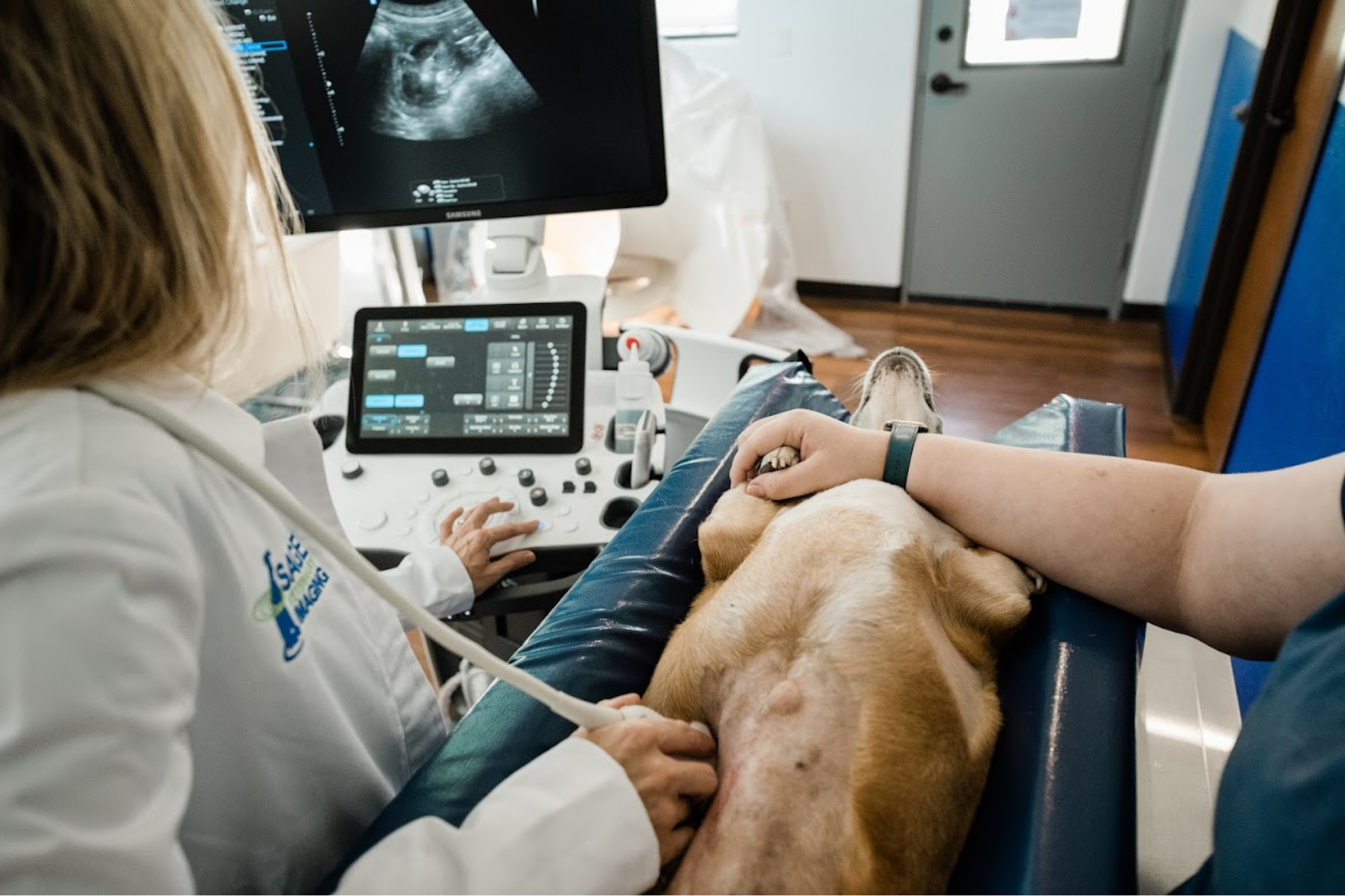
Abdominal ultrasound provides real-time imaging that helps diagnose a wide range of conditions in dogs.
Different types of ultrasounds may vary in cost:
Abdominal ultrasound (most common)
Thoracic ultrasound
Focused or follow-up scans
More detailed or comprehensive studies typically cost more.
2. Radiologist Interpretation
A board-certified veterinary radiologist may review the ultrasound images and provide a detailed report.
Adds diagnostic accuracy
May be included in the total cost or billed separately
3. Complexity of the Case
More complex cases may require:
Longer scan times
Evaluation of multiple organs
Additional imaging views
This can increase the overall cost.
4. Sedation (If Needed)
Most ultrasounds do not require anesthesia, but mild sedation may be recommended if your pet is anxious or uncomfortable.
Adds to cost when needed
Helps improve image quality and safety
5. Facility Type
Costs may differ depending on where the ultrasound is performed:
General veterinary clinics
Emergency hospitals
Specialty or outpatient imaging centers
Dedicated imaging centers—like Sage Veterinary Imaging in Sandy—provide efficient, high-quality diagnostics with predictable pricing.
Why Ultrasound Is Often a First Step
Ultrasound is a non-invasive, real-time imaging tool that allows veterinarians to evaluate internal organs without surgery.
It is commonly used to:
Examine the liver, spleen, kidneys, and bladder
Detect masses or tumors
Identify fluid in the abdomen
Evaluate gastrointestinal issues
Guide biopsies or fluid sampling
Because it provides immediate information, ultrasound is often one of the first advanced imaging tests recommended.
When Is an Ultrasound Recommended?
Your veterinarian may suggest an ultrasound if your pet has:
Vomiting or diarrhea that doesn’t resolve
Unexplained weight loss
Abnormal bloodwork
Suspected internal masses
Abdominal pain
Urinary issues
Ultrasound helps narrow down the cause quickly and safely.
Where to Get a Pet Ultrasound in Utah
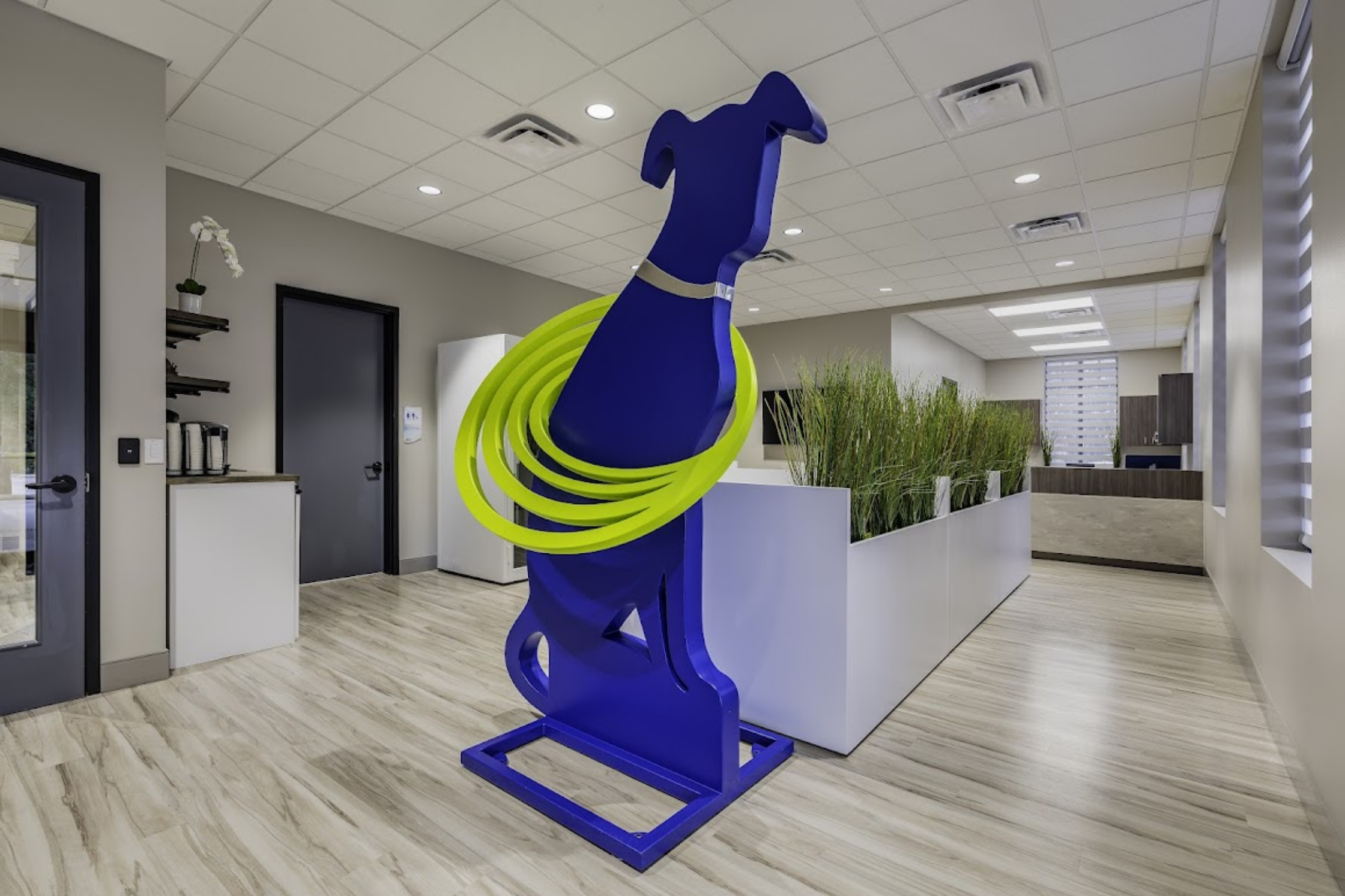
Sage Veterinary Imaging's Sandy, Utah location serves referring veterinarians and pet owners across northern Utah.
Veterinary clinics throughout Salt Lake City, Sandy, Draper, South Jordan, West Jordan, Murray, Provo, Orem, and Ogden often refer patients to Sage Veterinary Imaging in Sandy for advanced ultrasound services.
Located along the Interstate 15 corridor, the facility is easily accessible for pet owners across northern Utah and Utah County.
What to Expect During the Appointment
A typical ultrasound visit includes:
Preparation
Your pet may need to fast for several hours before the exam.
Ultrasound exam
A probe is used to capture real-time images of internal organs.
Radiologist review
Images may be interpreted by a board-certified veterinary radiologist.
Results and next steps
Your veterinarian discusses findings and recommendations with you.
Most ultrasounds are completed within 30–60 minutes.
Does Pet Insurance Cover Ultrasound?
Many pet insurance plans cover ultrasound if it is:
Medically necessary
Recommended by a veterinarian
Coverage varies, so it’s a good idea to check your specific policy.
Making an Informed Decision
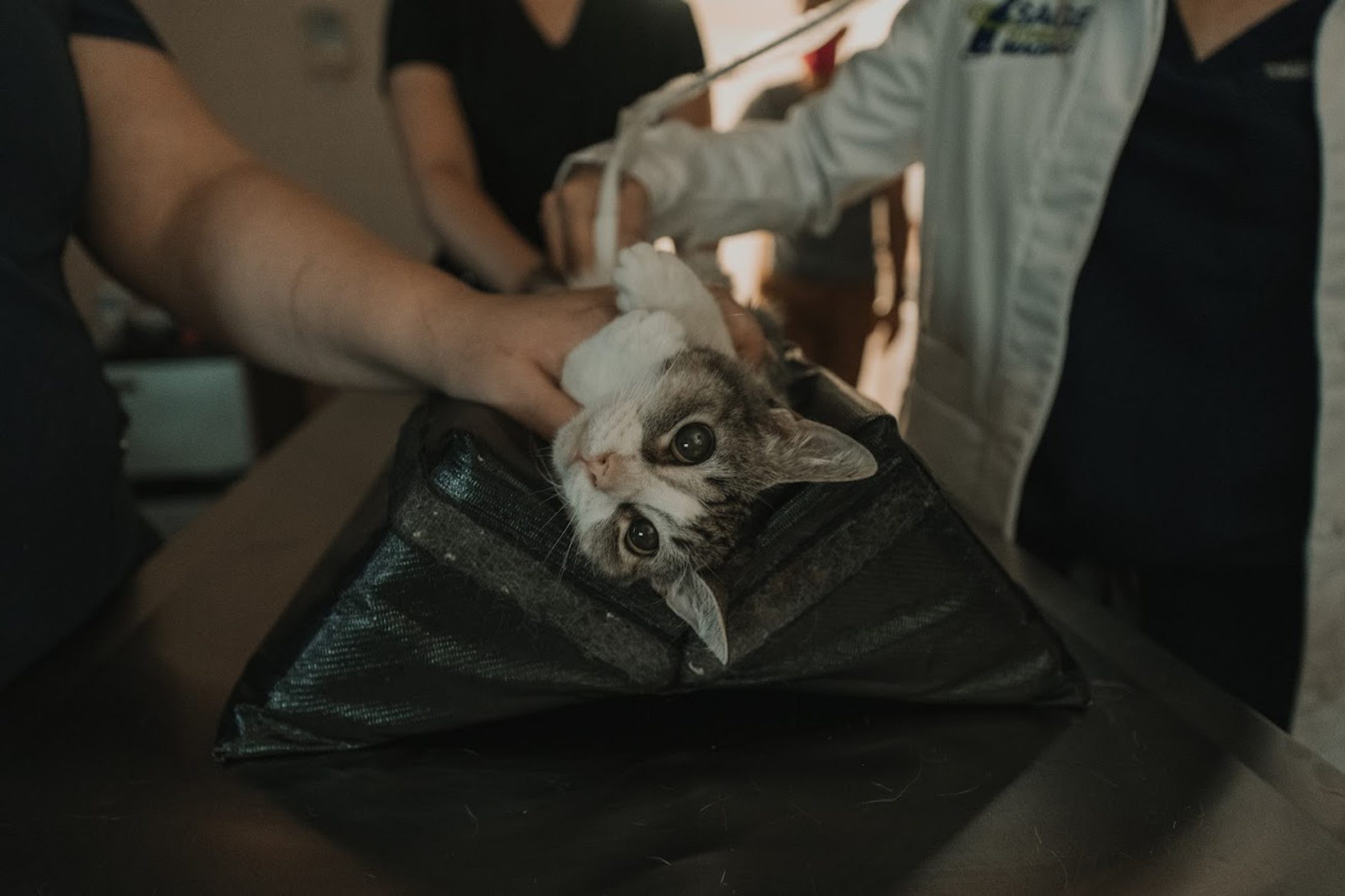
Ultrasound imaging helps veterinarians assess internal organs in cats without surgery.
Ultrasound is one of the most accessible and cost-effective advanced imaging tools available in veterinary medicine.
While pricing can vary, the value lies in the real-time diagnostic information it provides—often helping avoid more invasive procedures or delays in treatment.
Helping Utah Pet Owners Navigate Imaging Costs
At Sage Veterinary Imaging in Sandy, the focus is on providing high-quality, efficient, and collaborative diagnostic imaging for pets across Utah.
If your pet needs an ultrasound, understanding the cost—and what’s included—can help you make a confident, informed decision about their care.