
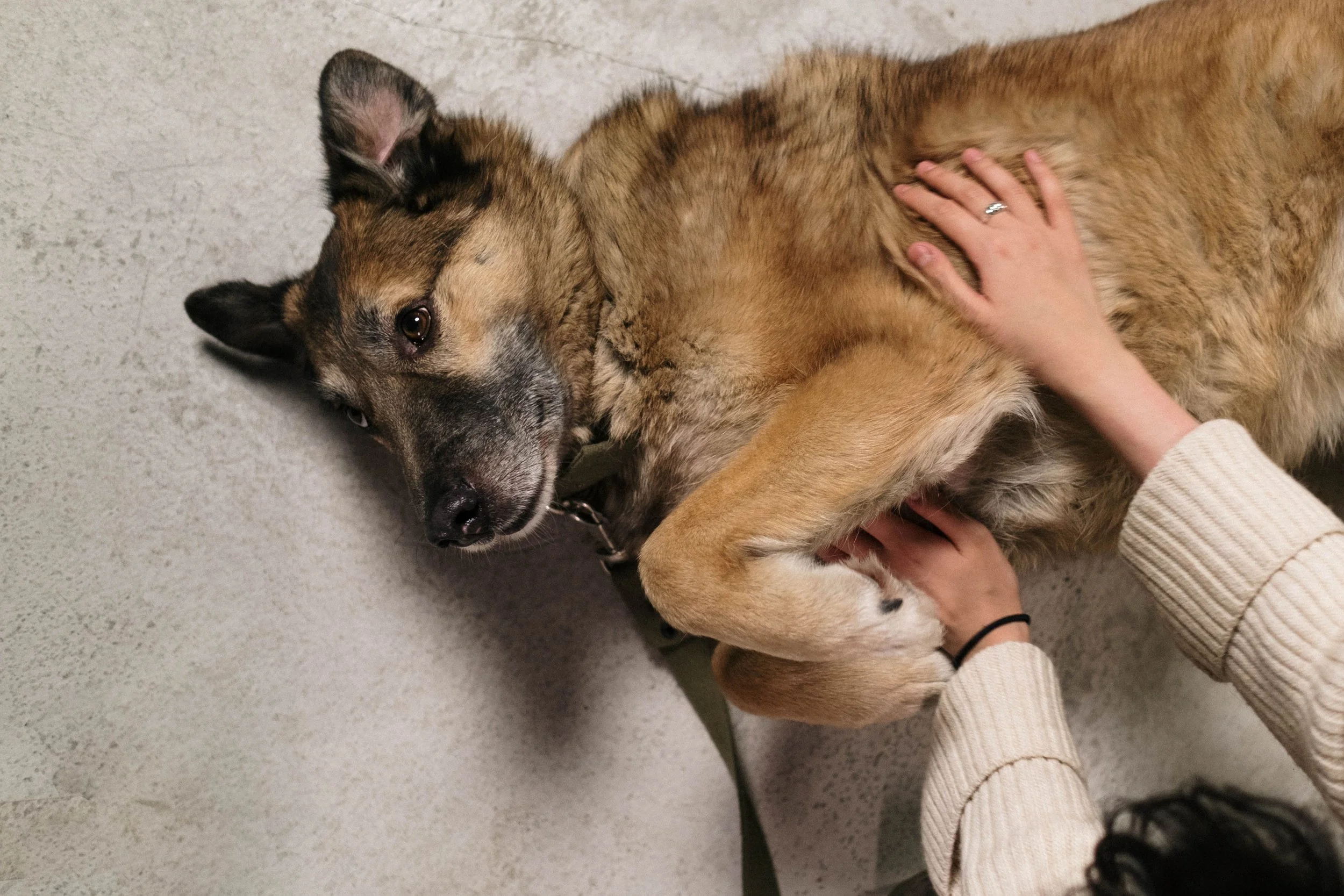
German Shepherds are among the breeds most commonly affected by lumbosacral disease, a condition that can cause pain, weakness, and mobility challenges.
If your German Shepherd is showing signs of hind limb weakness, difficulty rising, or reluctance to jump, your veterinarian may be concerned about a condition called lumbosacral disease.
For pet owners in Austin, Round Rock, and Central Texas, advanced imaging—especially MRI—is essential for accurately diagnosing this condition. At Sage Veterinary Imaging in Round Rock, veterinarians refer patients for high-resolution MRI to evaluate spinal conditions like lumbosacral disease.
What Is Lumbosacral Disease?
Lumbosacral disease (also called degenerative lumbosacral stenosis) affects the lower part of the spine, where the lumbar spine meets the sacrum.
In this condition:
The spinal canal narrows
Nerve roots become compressed
Pain and nerve dysfunction develop
This area is critical for hind limb movement, tail function, and bladder control, which is why symptoms can be so impactful.
Why German Shepherds Are at Higher Risk
Lumbosacral disease is particularly common in German Shepherds and other large working breeds.
Contributing factors may include:
Genetics
Repetitive physical activity
Age-related degeneration
Conformational differences in the spine
Active, working, or athletic dogs may be especially susceptible.
Common Signs to Watch For
Symptoms often develop gradually and may worsen over time.
Common signs include:
Difficulty standing up or lying down
Reluctance to jump, climb stairs, or exercise
Weakness in the hind legs
Pain in the lower back or tail base
Limp tail or reduced tail movement
In severe cases, urinary or fecal incontinence
Because these signs can overlap with orthopedic issues like hip dysplasia, advanced imaging is often needed for clarity.
Why MRI Is Critical for Diagnosis
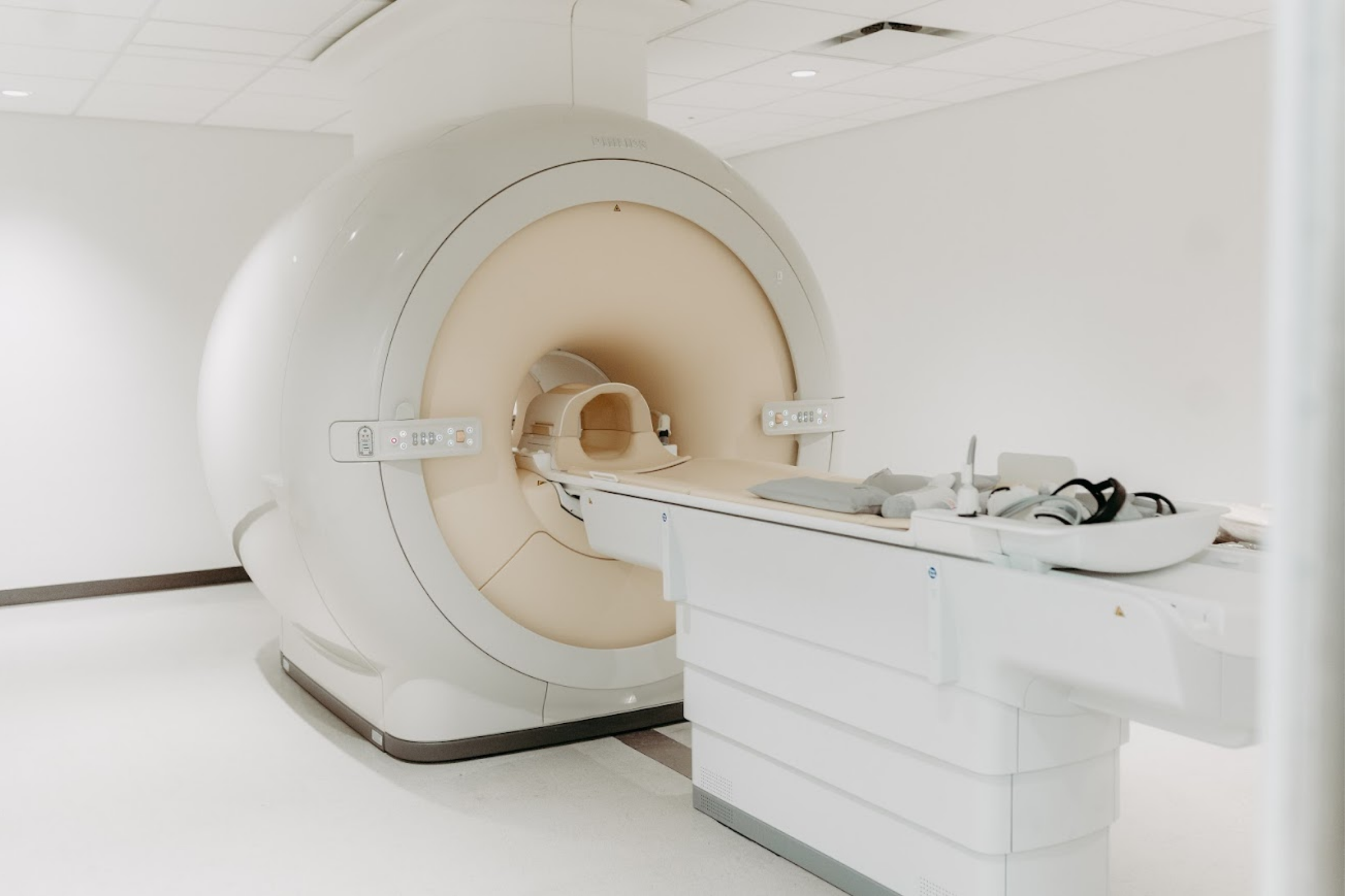
High-resolution 3T MRI technology helps diagnose spinal cord, nerve root, and soft tissue abnormalities with exceptional detail.
While X-rays can show bone changes, they cannot fully evaluate nerves or soft tissue structures.
MRI is the gold standard for diagnosing lumbosacral disease because it allows veterinarians to:
Visualize nerve root compression
Assess soft tissue structures (discs, ligaments)
Determine severity of the condition
Differentiate from other spinal or orthopedic issues
Guide treatment or surgical planning
At Sage Veterinary Imaging, 3T MRI technology provides high-resolution images that are especially valuable for evaluating the lumbosacral region.
Where to Get MRI in the Austin Area
Veterinary clinics throughout Austin, Round Rock, Cedar Park, Georgetown, Pflugerville, Leander, Kyle, and Buda often refer German Shepherds with suspected lumbosacral disease to Sage Veterinary Imaging in Round Rock.
Located along the Interstate 35 corridor, the facility is easily accessible for pet owners across Central Texas.
What to Expect During an MRI
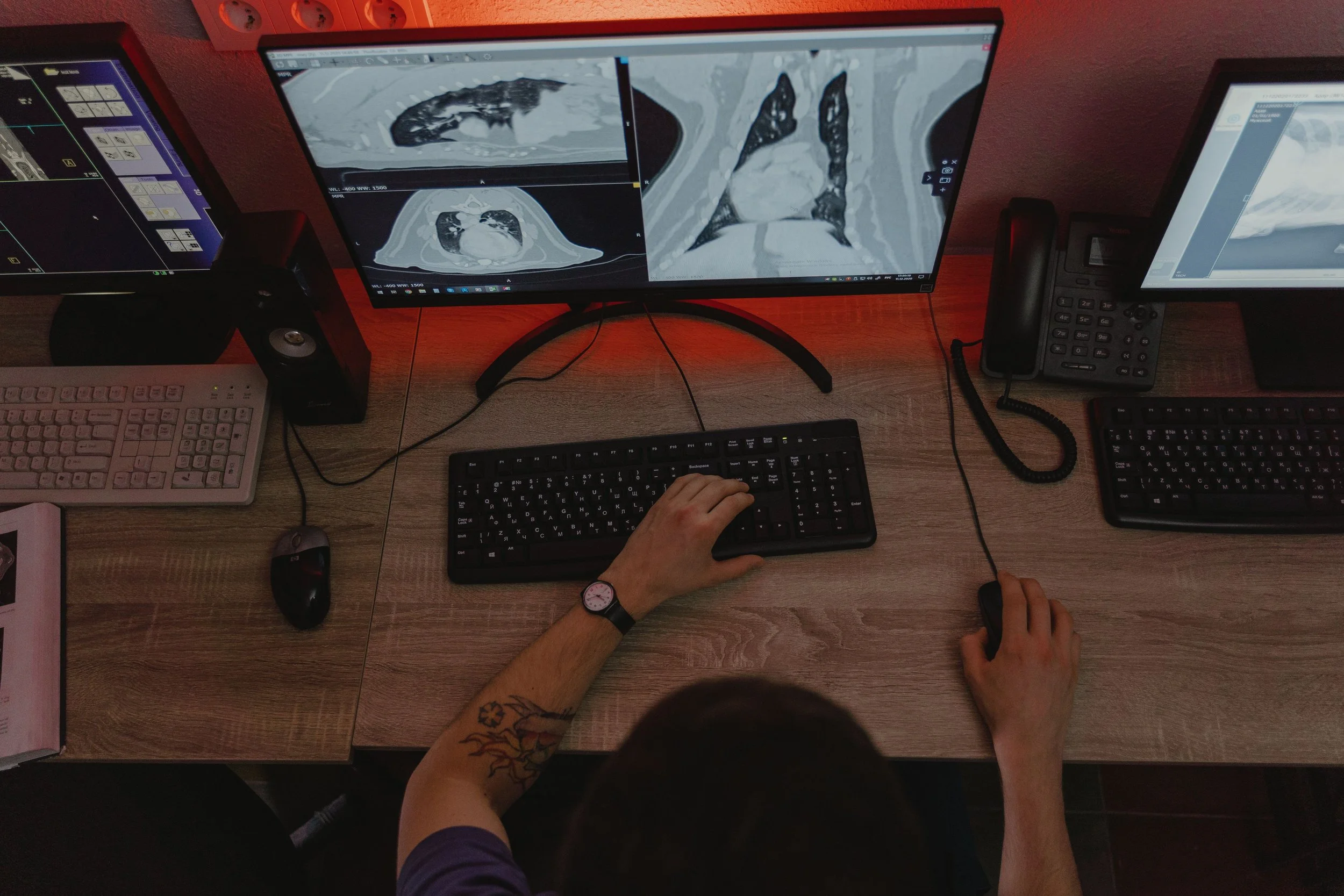
Advanced imaging interpretation helps veterinarians identify spinal abnormalities and develop appropriate treatment plans.
MRI requires your dog to remain completely still, so the procedure is performed under anesthesia.
A typical visit includes:
Medical review
The imaging team reviews your dog’s history and clinical signs.
Anesthesia and monitoring
Your dog is placed under carefully controlled anesthesia.
MRI imaging
Detailed images of the lumbosacral spine are captured.
Radiologist interpretation
A board-certified veterinary radiologist reviews the images and provides a report to your veterinarian.
Your veterinarian will then discuss diagnosis and treatment options.
Treatment Options
Treatment depends on severity and your dog’s lifestyle.
Options may include:
Medical management (pain control, anti-inflammatory medications)
Activity modification
Physical therapy or rehabilitation
Surgical decompression in more advanced cases
MRI findings are essential in determining the most appropriate treatment plan.
Why Early Diagnosis Matters
Early diagnosis can:
Help manage pain more effectively
Prevent progression of nerve damage
Improve mobility and comfort
Provide more treatment options
Delaying diagnosis may lead to worsening neurological function.
A Collaborative Approach to Care
Sage Veterinary Imaging works closely with veterinarians across Central Texas to support diagnosis of complex spinal conditions.
The imaging team provides:
Advanced MRI diagnostics
Expert interpretation by veterinary radiologists
Efficient scheduling for timely evaluation
Your primary veterinarian remains responsible for treatment and long-term care.
Helping Austin-Area German Shepherds Stay Active
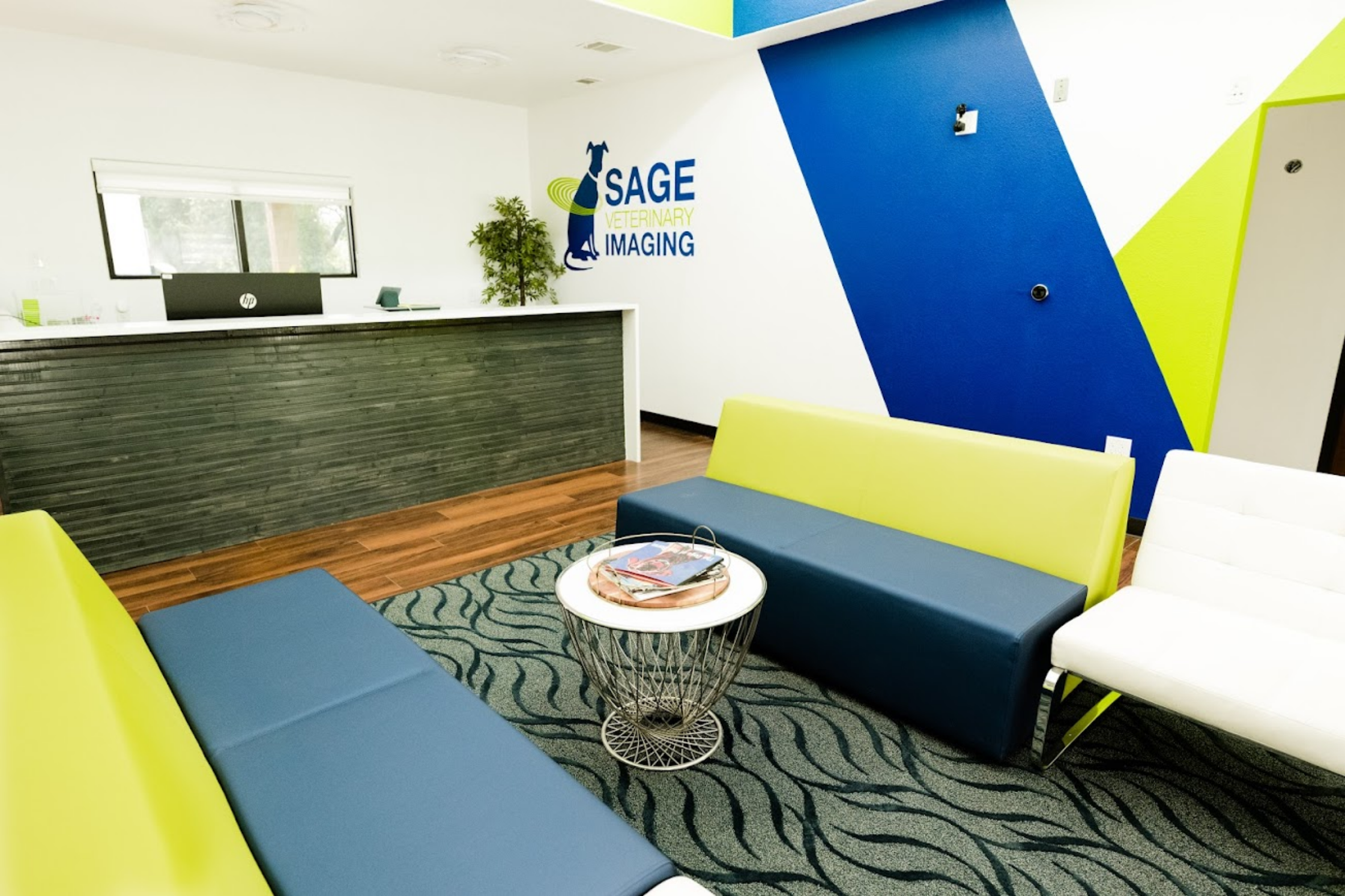
Sage Veterinary Imaging in Round Rock provides advanced MRI services for pets throughout Austin and Central Texas.
Lumbosacral disease can significantly impact your dog’s mobility and comfort—but with accurate diagnosis and appropriate care, many dogs can continue to live active, fulfilling lives.
At Sage Veterinary Imaging in Round Rock, advanced MRI technology helps veterinarians diagnose spinal conditions with precision, giving your dog the best path forward.
If your German Shepherd is showing signs of lower back pain or hind limb weakness, advanced imaging is available nearby to help provide answers.