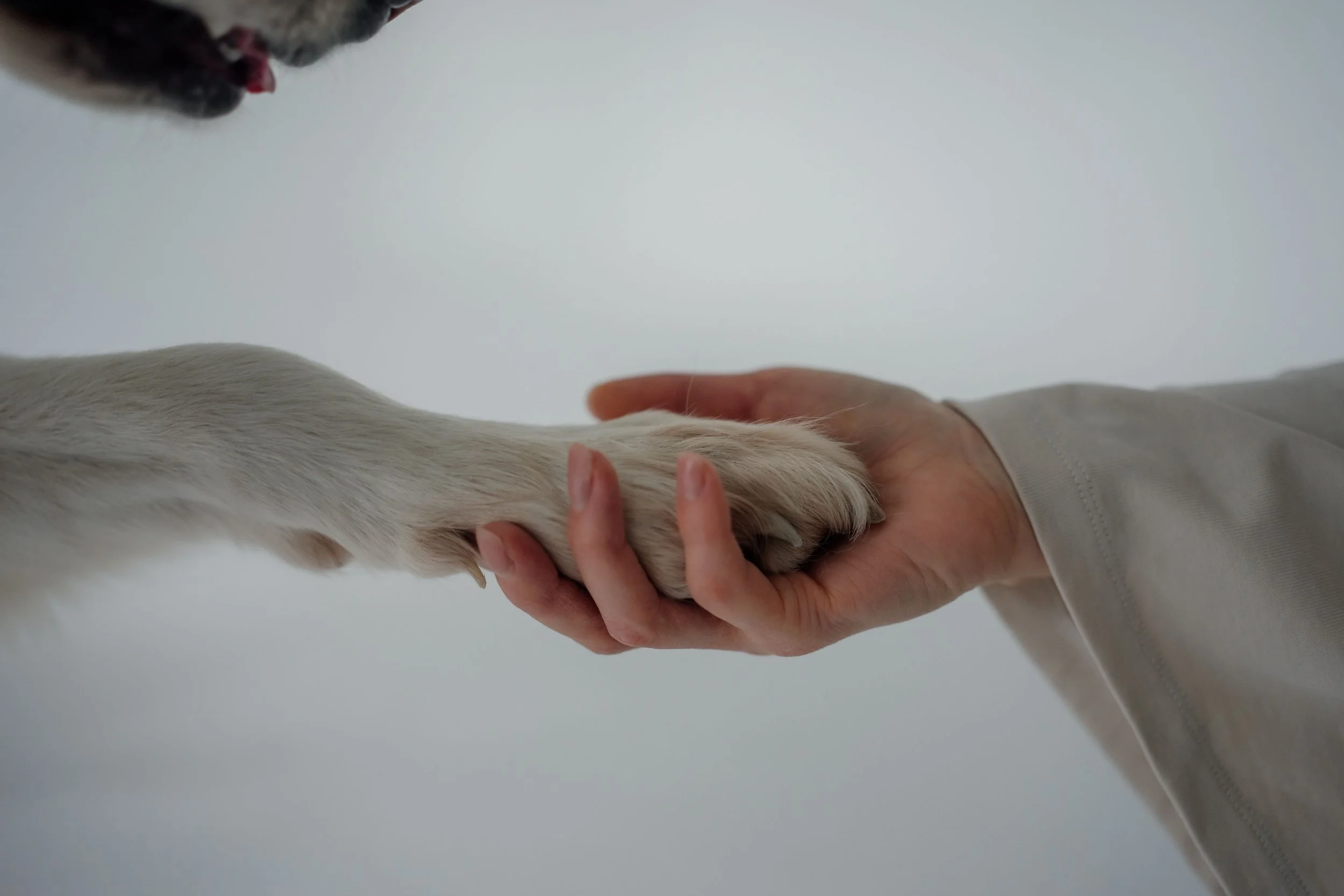
Advanced MRI imaging helps veterinarians identify spinal cord compression, herniated discs, and other neurological conditions affecting French Bulldogs.
French Bulldogs are one of the most popular breeds across Utah—but they are also more prone to certain neurological and spinal conditions. If your Frenchie suddenly seems painful, weak, or uncoordinated, your veterinarian may recommend an MRI to understand what’s happening.
For pet owners across Utah, including Salt Lake City, Sandy, Provo, Orem, and Ogden, advanced MRI imaging is available at Sage Veterinary Imaging in Sandy, where veterinarians refer patients for high-quality neurological diagnostics.
Why French Bulldogs Are at Higher Risk
French Bulldogs have a unique body structure that increases their risk for spinal and neurological issues.
They are especially prone to:
Intervertebral Disc Disease (IVDD)
Herniated or ruptured discs
Congenital spinal malformations
Degenerative spinal conditions
Less commonly, brain abnormalities
Because of these risks, even mild neurological symptoms should be evaluated quickly.
Common Neurological Warning Signs in French Bulldogs
If your French Bulldog is showing any of the following symptoms, your veterinarian may recommend advanced imaging:
Sudden weakness in the back legs
Wobbling or unsteady walking (ataxia)
Reluctance to jump or use stairs
Neck or back pain
Crying out when picked up
Dragging limbs
Loss of coordination
Sudden paralysis
In French Bulldogs, these symptoms can progress rapidly, making early evaluation especially important.
When Is an MRI Recommended?
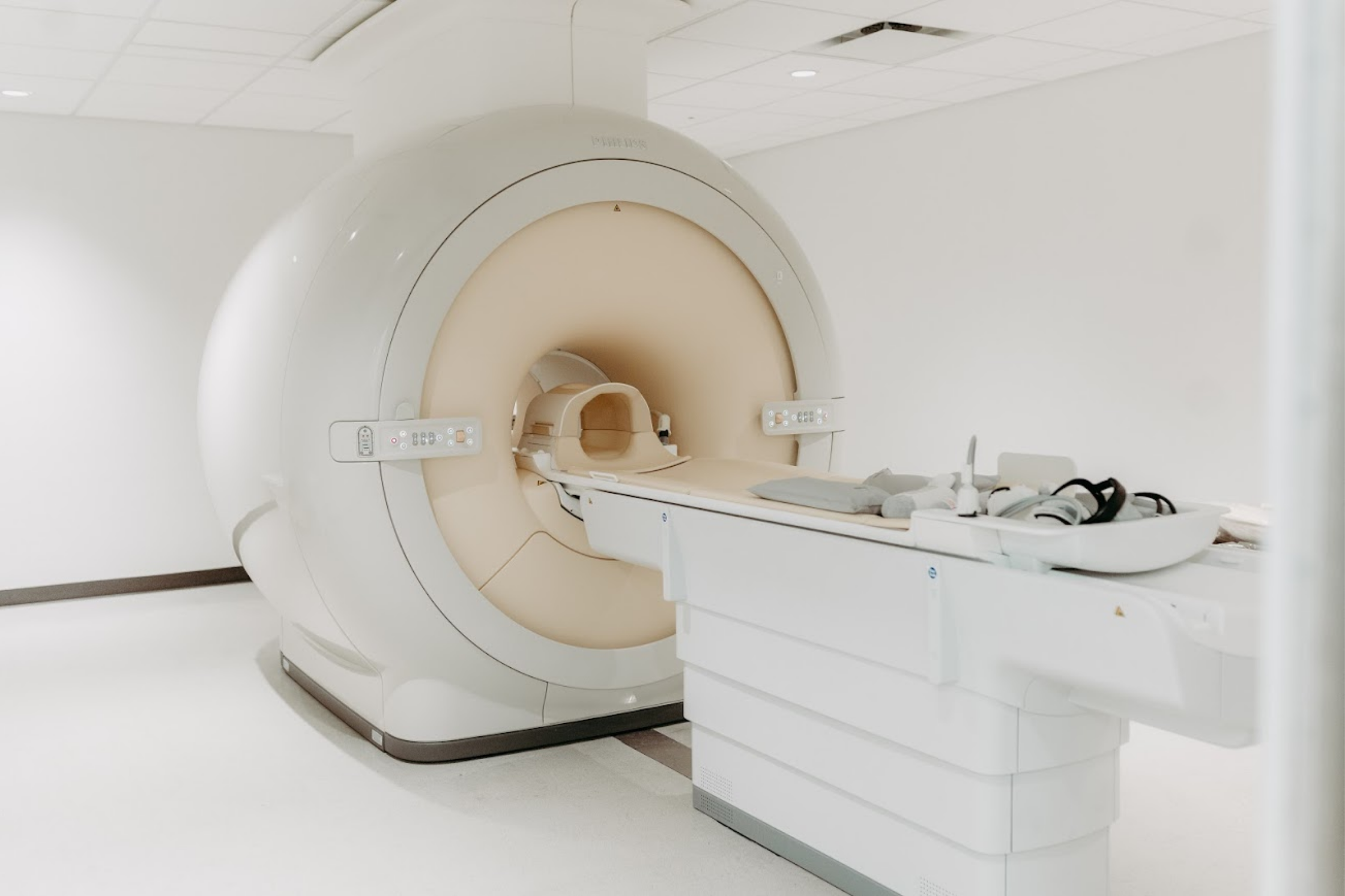
MRI is considered the gold standard for evaluating spinal cord compression, IVDD, and other neurological disorders in dogs.
MRI is typically recommended when a veterinarian suspects a neurological or spinal condition that cannot be fully diagnosed through physical exams or X-rays.
An MRI may be necessary if:
Symptoms are severe or worsening
IVDD or spinal cord compression is suspected
Surgery is being considered
The diagnosis is unclear
MRI is considered the gold standard for imaging the brain and spinal cord in dogs.
Why MRI Is Especially Important for French Bulldogs
French Bulldogs often have complex spinal anatomy, which makes accurate imaging critical.
MRI allows veterinarians to:
Identify the exact location of spinal cord compression
Detect herniated discs
Evaluate the severity of neurological damage
Differentiate between multiple possible conditions
At Sage Veterinary Imaging, pets are scanned using 3T MRI technology, providing high-resolution images that are especially valuable for evaluating small, detailed structures like the spinal cord.
Where to Get an MRI in Utah
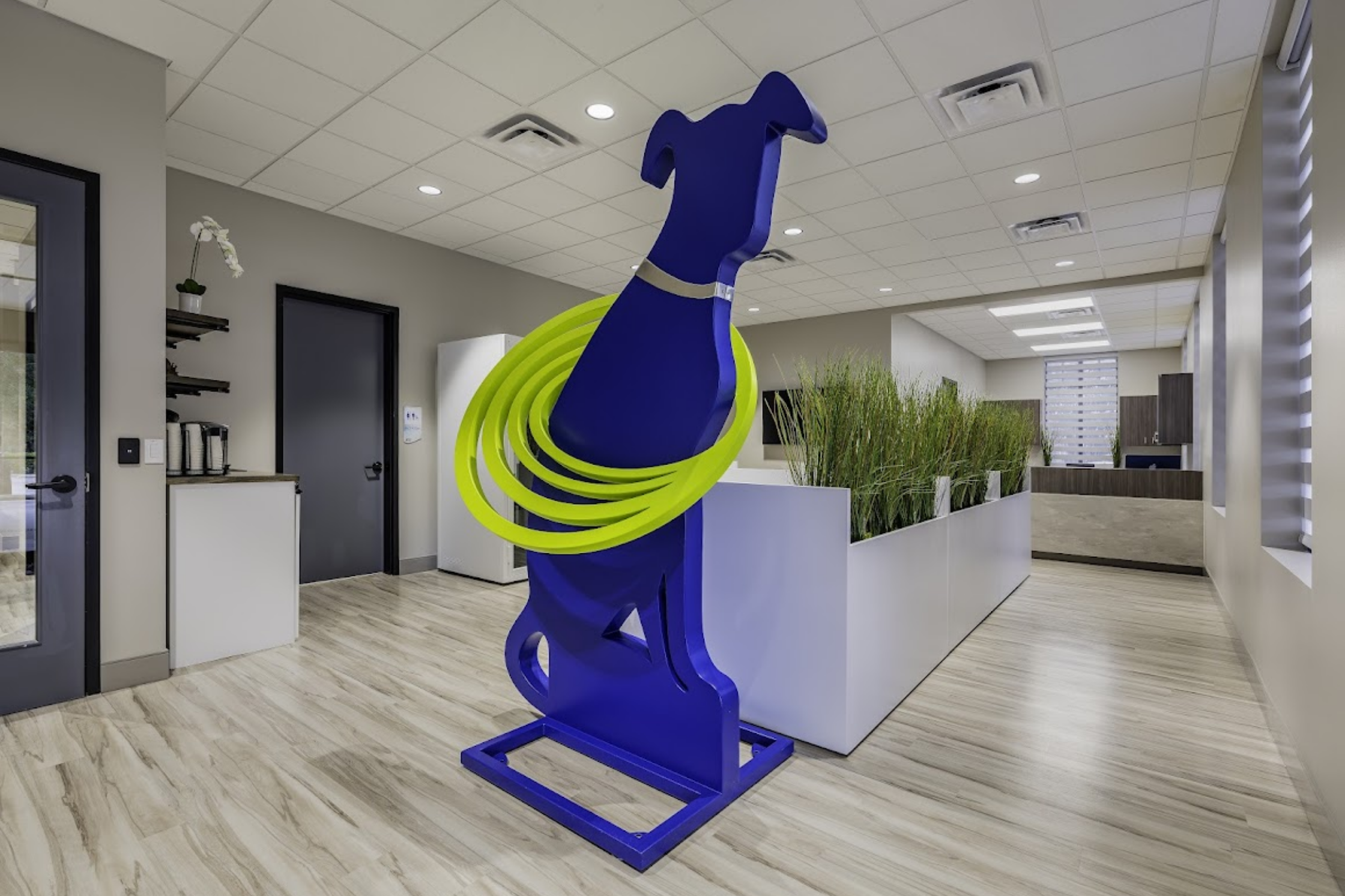
Conveniently located in Sandy, Sage Veterinary Imaging supports veterinarians and pet owners throughout Salt Lake City, Provo, Ogden, and surrounding communities.
Veterinary clinics throughout Salt Lake City, Sandy, Draper, South Jordan, West Jordan, Provo, Orem, and Ogden frequently refer French Bulldogs to Sage Veterinary Imaging in Sandy for advanced MRI diagnostics.
Located centrally along the Interstate 15 corridor, the imaging center is easily accessible for pet owners across northern Utah and Utah County.
What Happens During an MRI for Your French Bulldog
MRI requires dogs to remain completely still, so the procedure is performed under anesthesia to ensure safety and image quality.
A typical MRI appointment includes:
Medical review
The imaging team reviews your dog’s history and consults with your veterinarian.
Anesthesia and monitoring
Your French Bulldog is placed under carefully monitored anesthesia.
MRI imaging
Detailed images of the brain or spine are captured.
Radiologist interpretation
A board-certified veterinary radiologist reviews the images and provides a report to your veterinarian.
Your veterinarian will guide next steps based on the findings.
Why Early Diagnosis Matters
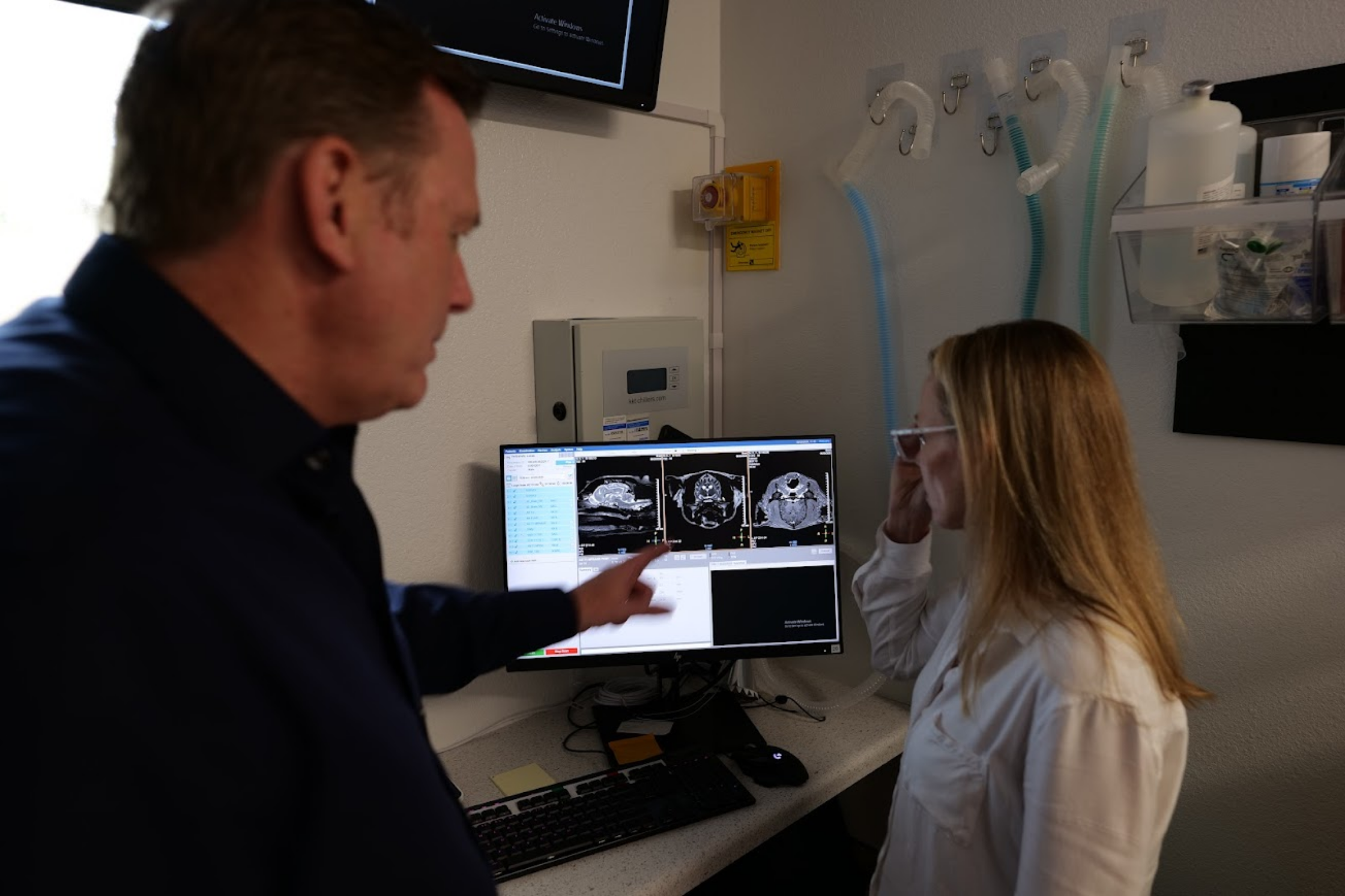
Veterinarians use advanced MRI imaging to evaluate spinal cord compression, IVDD, and other neurological conditions affecting French Bulldogs.
Neurological and spinal conditions—especially IVDD—can progress quickly in French Bulldogs.
Early MRI diagnosis helps:
Prevent worsening spinal cord damage
Improve surgical outcomes if needed
Guide treatment decisions sooner
Reduce long-term complications
Delaying imaging can reduce the chances of a full recovery, particularly in cases involving paralysis.
A Collaborative Approach to Neurological Care
Sage Veterinary Imaging works closely with veterinarians across Utah to support the diagnosis of neurological conditions in French Bulldogs and other breeds.
The imaging team provides:
Advanced MRI diagnostics
Expert interpretation by veterinary radiologists
Efficient scheduling for urgent cases
Your primary veterinarian remains responsible for your dog’s treatment and recovery.
Helping Utah French Bulldogs Stay Healthy
French Bulldogs bring a lot of personality and companionship—but their unique anatomy means they sometimes need specialized care.
At Sage Veterinary Imaging in Sandy, advanced MRI technology helps veterinarians diagnose spinal and neurological conditions accurately, giving French Bulldogs the best chance at recovery and a return to normal activity.
If your French Bulldog is showing neurological warning signs, advanced imaging is available locally in Sandy to help provide the answers your pet needs.