
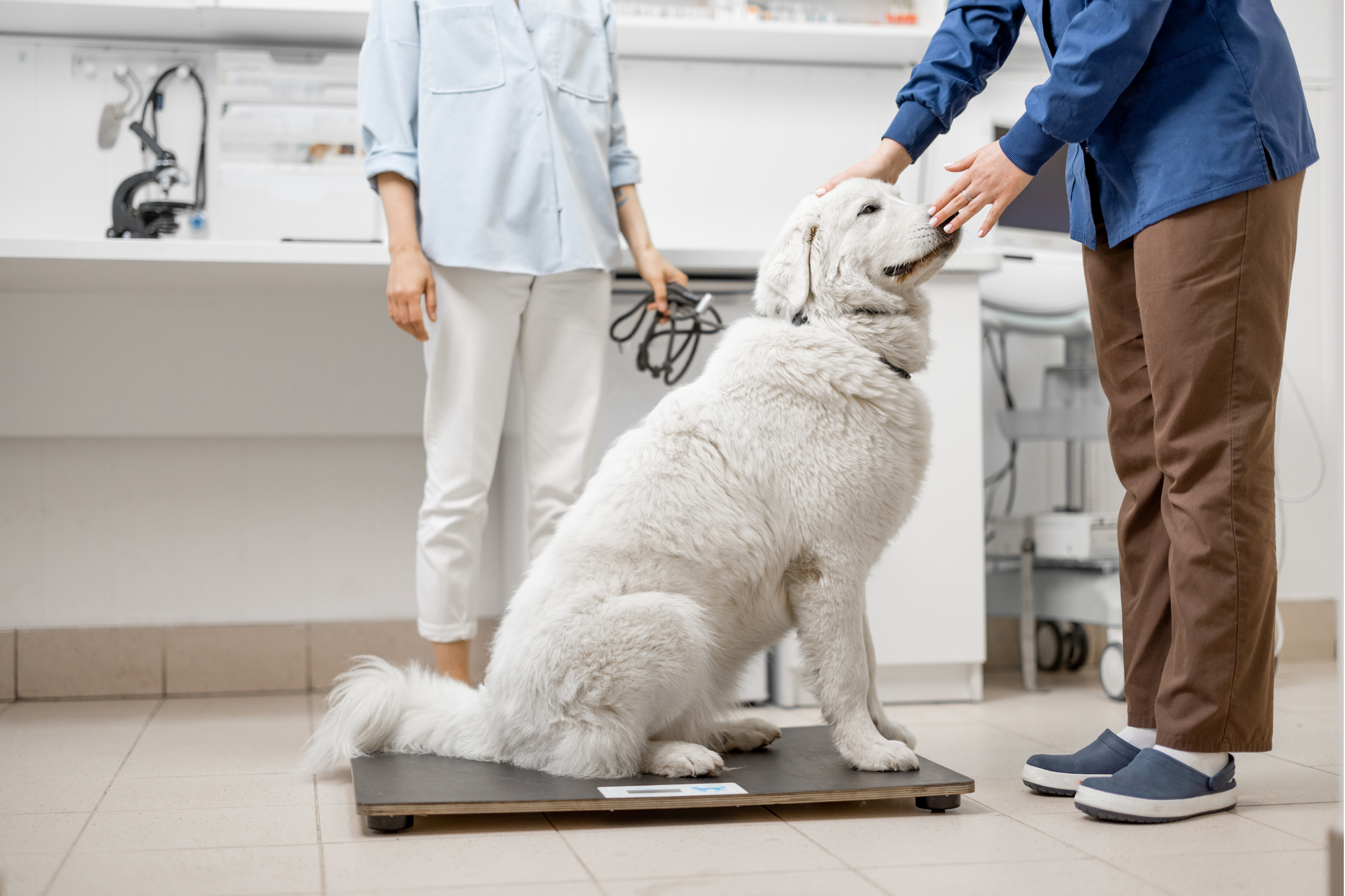
Large-breed dogs showing signs of instability or weakness may need MRI to diagnose Wobbler Syndrome.
If your dog has started to walk unsteadily, stumble, or seem weak in the back legs, your veterinarian may be concerned about a neurological condition called Wobbler Syndrome.
For pet owners in Austin, Round Rock, and Central Texas, advanced imaging—particularly MRI—plays a critical role in diagnosing this condition. At Sage Veterinary Imaging in Round Rock, veterinarians refer patients for high-quality MRI to evaluate spinal cord disorders like Wobbler Syndrome.
What Is Wobbler Syndrome?
Wobbler Syndrome (also called cervical spondylomyelopathy) is a condition that affects the spinal cord in the neck (cervical spine).
It occurs when there is compression of the spinal cord, often due to:
Disc protrusion
Vertebral malformation
Ligament changes
Degenerative changes in the spine
This compression interferes with normal nerve signals, leading to coordination and mobility issues.
Breeds Most Commonly Affected
Wobbler Syndrome is most often seen in large and giant breed dogs, including:
Doberman Pinschers
Great Danes
Mastiffs
Weimaraners
It can occur at different ages depending on the breed and underlying cause.
Common Signs of Wobbler Syndrome
Dogs with Wobbler Syndrome may show:
A wobbly or unsteady gait (especially in the hind limbs)
Weakness in the back legs
Difficulty rising or walking
Dragging paws or scuffing nails
Neck pain or stiffness
Short, choppy steps in the front legs
Symptoms often progress over time, although some dogs may experience sudden worsening.
Why MRI Is Essential for Diagnosis
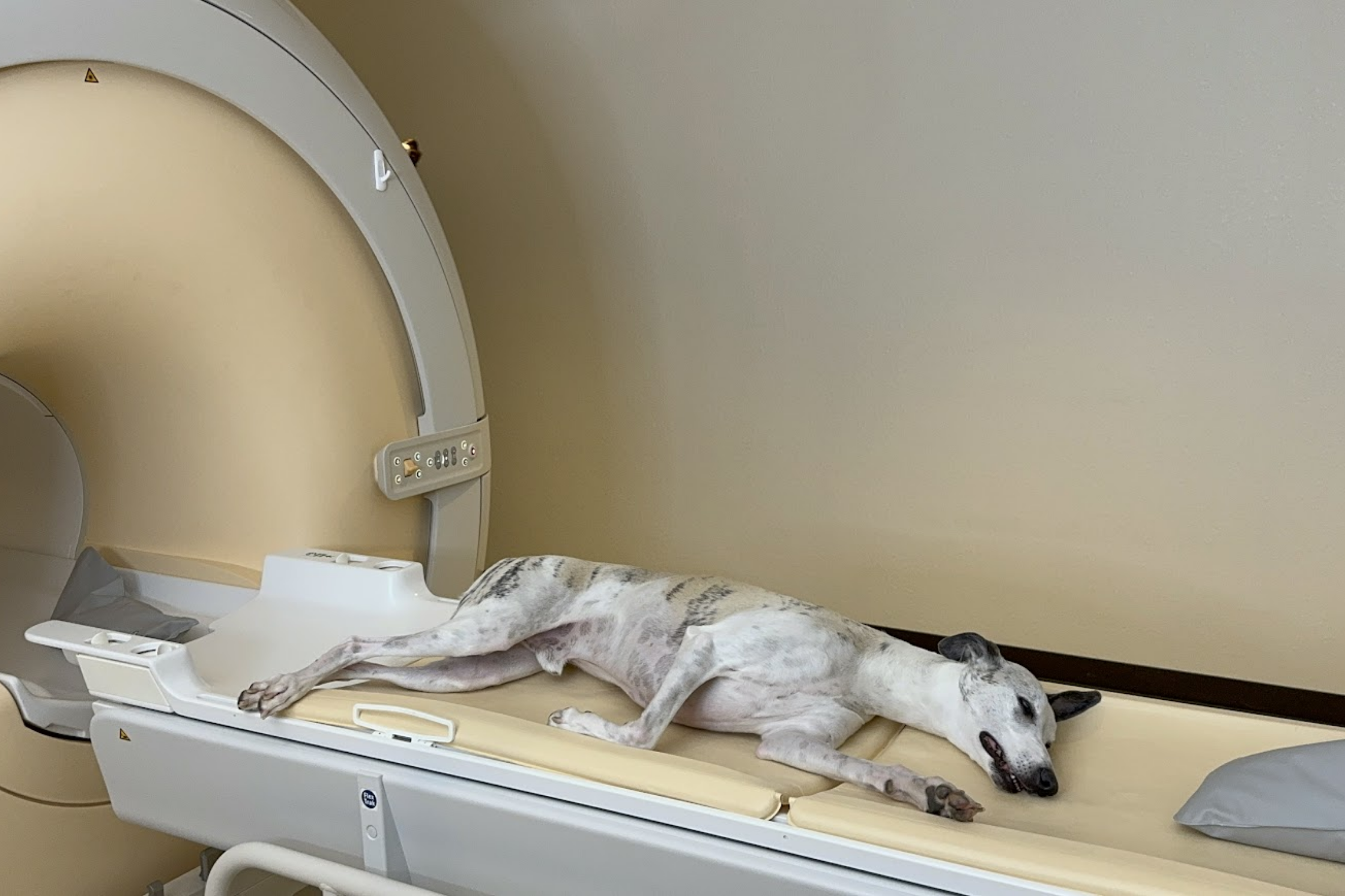
MRI is the gold standard for diagnosing Wobbler Syndrome and other spinal cord disorders.
While physical exams and X-rays can suggest a spinal problem, they cannot fully evaluate the spinal cord itself.
MRI is the gold standard for diagnosing Wobbler Syndrome because it allows veterinarians to:
See the spinal cord in detail
Identify the exact location of compression
Determine the severity of the condition
Differentiate between possible causes
Plan appropriate treatment or surgery
At Sage Veterinary Imaging, 3T MRI technology provides high-resolution images that are especially valuable for evaluating complex spinal conditions.
Where to Get an MRI in the Austin Area
Veterinary clinics throughout Austin, Round Rock, Cedar Park, Georgetown, Pflugerville, Leander, Kyle, and Buda often refer dogs with suspected Wobbler Syndrome to Sage Veterinary Imaging in Round Rock.
Located along the Interstate 35 corridor, the facility is easily accessible for pet owners across Central Texas.
What to Expect During an MRI
MRI requires your dog to remain completely still, so the procedure is performed under anesthesia.
A typical visit includes:
Medical review
The imaging team reviews your dog’s history and consults with your veterinarian.
Anesthesia and monitoring
Your dog is placed under carefully controlled anesthesia.
MRI imaging
Detailed images of the cervical spine are captured.
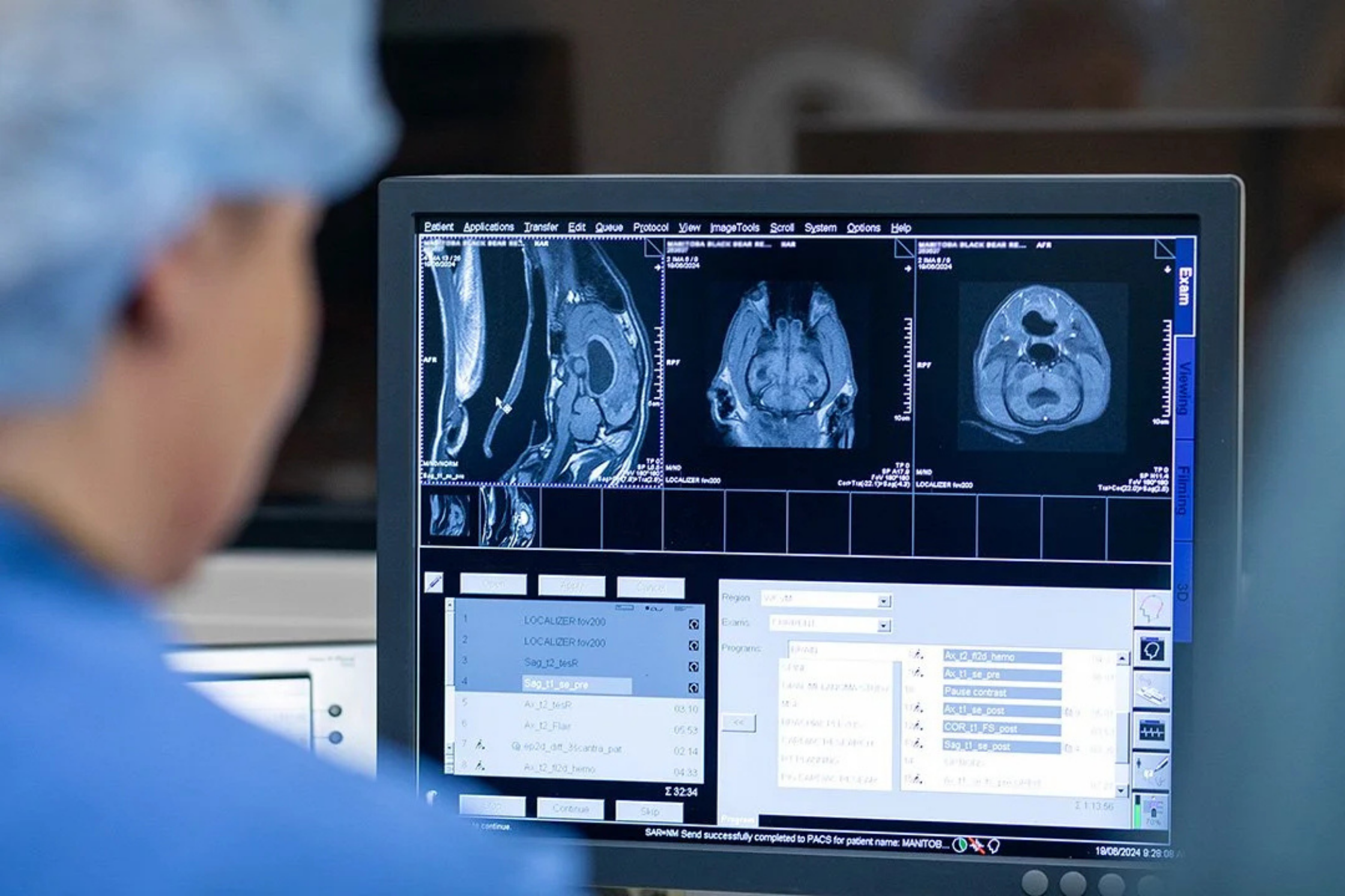
MRI helps identify spinal cord compression and other neurological conditions affecting mobility.
Radiologist interpretation
A board-certified veterinary radiologist reviews the images and provides a report to your veterinarian.
Your veterinarian will then discuss diagnosis and treatment options.
Treatment Options for Wobbler Syndrome
Treatment depends on the severity of the condition and underlying cause.
Options may include:
Medical management (anti-inflammatory medications, activity restriction)
Physical therapy or rehabilitation
Surgical intervention to relieve spinal cord compression
MRI findings are essential in determining which approach is most appropriate.
Why Early Diagnosis Matters
Wobbler Syndrome can progress over time, and early diagnosis can:
Help prevent worsening neurological damage
Improve treatment outcomes
Provide more options for management or surgery
Preserve mobility and quality of life
Delaying diagnosis may lead to more advanced spinal cord damage.
A Collaborative Approach to Neurological Care
Sage Veterinary Imaging works closely with veterinarians across Central Texas to support the diagnosis of spinal and neurological conditions.
The imaging team provides:
Advanced MRI diagnostics
Expert interpretation by veterinary radiologists
Efficient scheduling for timely evaluation
Your primary veterinarian remains responsible for treatment and ongoing care.
Helping Austin-Area Dogs Stay Mobile

Advanced MRI and diagnostic imaging services for pets across Central Texas.
Wobbler Syndrome can be a concerning diagnosis—but with accurate imaging and early intervention, many dogs can be successfully managed.
At Sage Veterinary Imaging in Round Rock, advanced MRI technology helps veterinarians diagnose spinal cord conditions with precision, giving dogs the best chance at maintaining mobility and quality of life.
If your dog is showing signs of instability or weakness, advanced imaging is available nearby to help provide the answers you need.