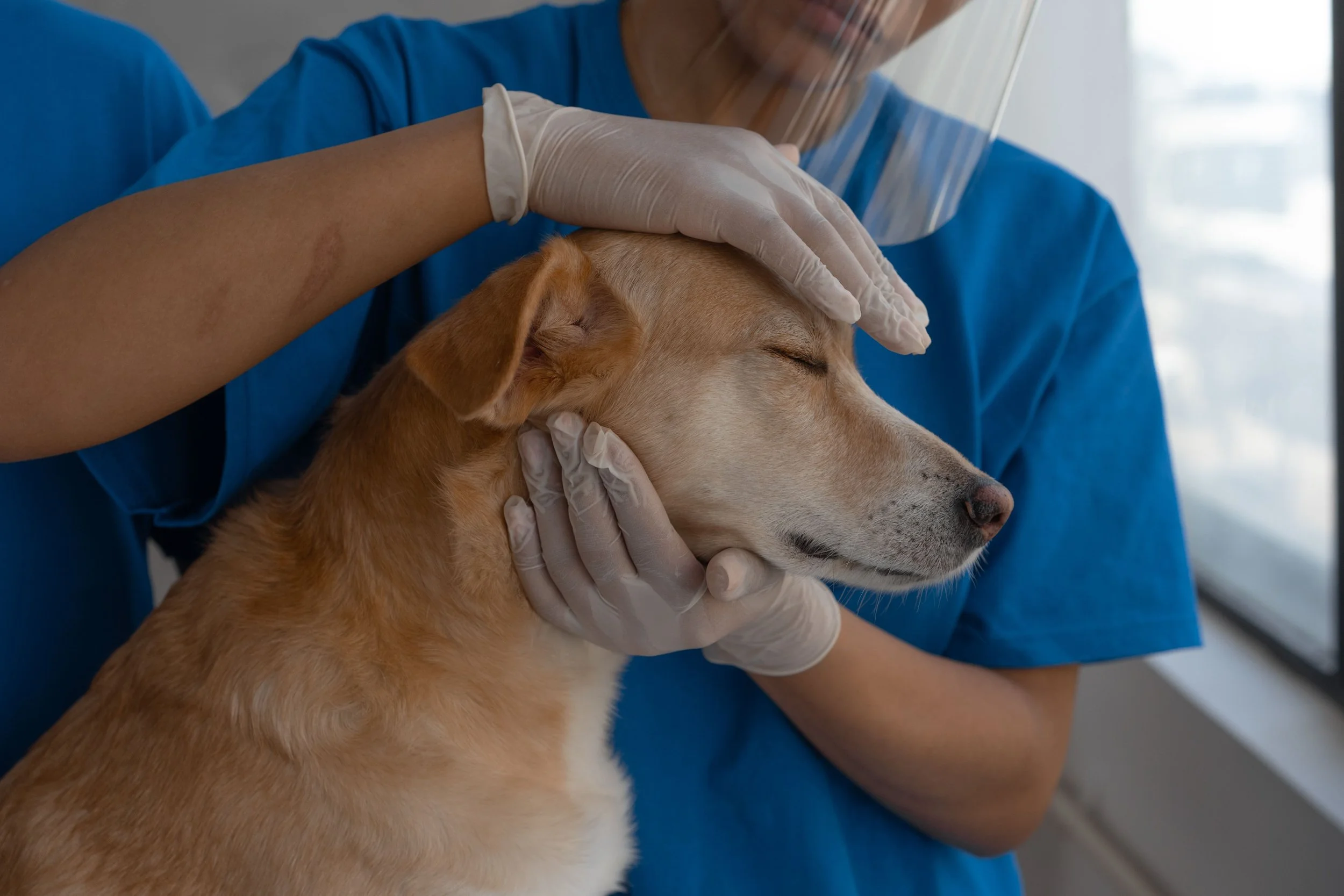
Veterinary evaluation and advanced imaging help identify serious conditions like hemangiosarcoma, allowing veterinarians to make more informed treatment decisions.
Hemangiosarcoma is an aggressive and often silent cancer in dogs, making early detection extremely important. Unfortunately, many dogs show few or no symptoms until the disease has progressed.
For pet owners in Houston, Spring, The Woodlands, and surrounding communities, advanced imaging—particularly CT and MRI—plays a key role in detecting and evaluating hemangiosarcoma. At Sage Veterinary Imaging in Spring, veterinarians refer patients for high-quality imaging to assess suspected cancers and guide next steps.
What Is Hemangiosarcoma?
Hemangiosarcoma is a malignant cancer of blood vessel cells. It most commonly affects:
The spleen
The heart (right atrium)
The liver
Skin or subcutaneous tissues
Because these tumors involve blood vessels, they are prone to rupture and cause internal bleeding, which can quickly become life-threatening.
Why Early Detection Is Difficult
Hemangiosarcoma is often called a “silent disease” because:
Tumors can grow without obvious symptoms
Early signs are subtle or easily overlooked
Internal tumors are not visible externally
Many dogs are diagnosed only after a sudden collapse or internal bleeding event, limiting treatment options.
Dogs at Higher Risk
While any dog can develop hemangiosarcoma, it is more commonly seen in:
Golden Retrievers
German Shepherds
Labrador Retrievers
Boxers
It typically affects middle-aged to older dogs.
Subtle Signs to Watch For
Early symptoms may be vague and intermittent, including:
Decreased energy or lethargy
Reduced appetite
Intermittent weakness
Pale gums
Mild abdominal distension
In more advanced stages, signs may include:
Sudden collapse
Difficulty breathing
Evidence of internal bleeding
If your veterinarian suspects a serious underlying issue, advanced imaging may be recommended.
How CT and MRI Help Detect Hemangiosarcoma
Advanced imaging provides critical information that cannot be obtained through physical exams or basic X-rays.
CT Scans for Detection and Staging
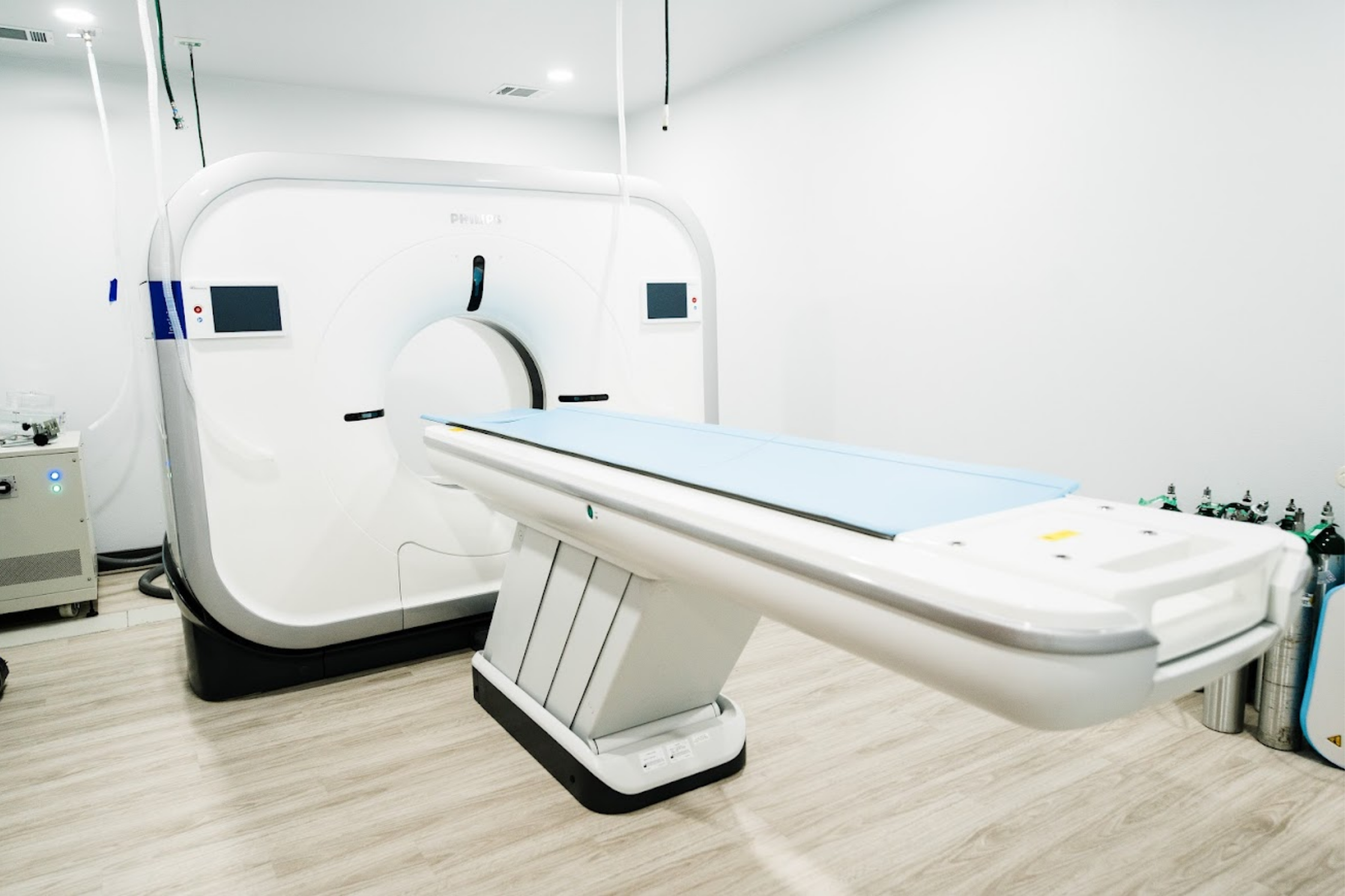
CT imaging plays a critical role in detecting tumors, evaluating internal bleeding, and staging cancers such as hemangiosarcoma.
CT is often the primary imaging tool for suspected cancer due to its speed and detail.
CT can:
Detect tumors in the spleen, liver, and lungs
Identify internal bleeding
Evaluate metastasis (spread of cancer)
Help guide surgical or treatment planning
At Sage Veterinary Imaging, 128-slice CT technology allows for rapid, high-resolution scans—especially valuable in urgent cases.
MRI for Detailed Soft Tissue Evaluation
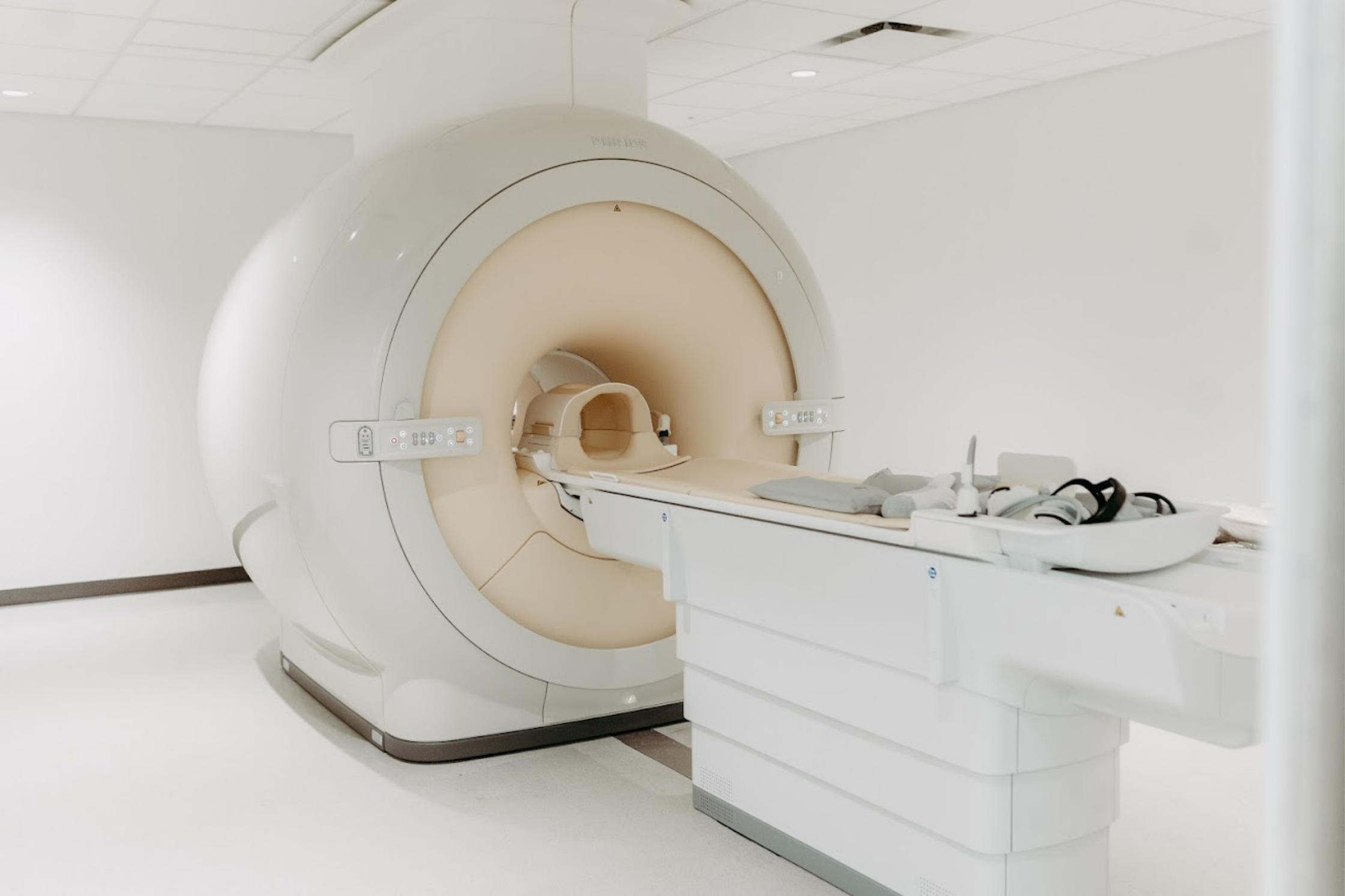
MRI provides exceptional soft tissue detail and may be used to further evaluate complex cancer cases or neurological involvement.
MRI may be used in certain cases to:
Evaluate soft tissue involvement in greater detail
Assess neurological signs if cancer has spread
Provide additional clarity when CT findings are inconclusive
With 3T MRI technology, subtle abnormalities can be detected with high precision.
Where to Get Advanced Imaging Near Houston
Veterinary clinics throughout Houston, Spring, The Woodlands, Katy, Cypress, Conroe, Tomball, and Sugar Land often refer patients to Sage Veterinary Imaging in Spring for advanced cancer imaging.
Located along the Interstate 45 corridor, the facility is easily accessible for pet owners across the Greater Houston area.
What to Expect During Imaging
Advanced imaging is carefully coordinated to ensure safety and diagnostic accuracy.
A typical visit includes:
Veterinary coordination
Your veterinarian works with the imaging team to determine the most appropriate study.
Pre-procedure evaluation
Your dog is assessed to ensure they are safe for anesthesia if needed.
Imaging procedure
CT or MRI is performed using advanced equipment.
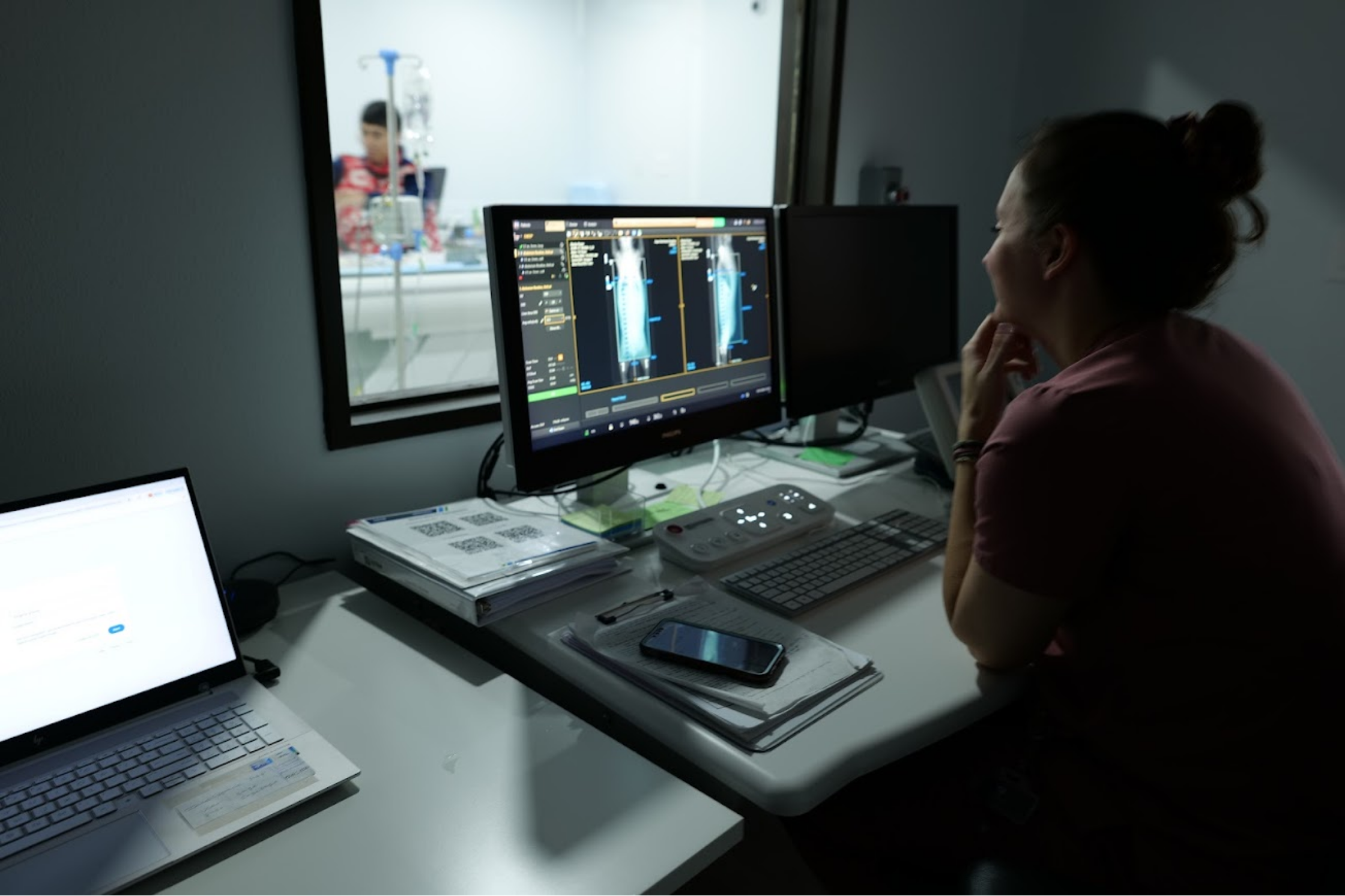
Advanced imaging studies are interpreted by experienced veterinary radiologists to help guide diagnosis and treatment planning.
Radiologist interpretation
A board-certified veterinary radiologist reviews the images and provides a detailed report.
Your veterinarian will then discuss findings and next steps with you.
Why Early Detection Matters
While hemangiosarcoma is aggressive, earlier detection can:
Identify tumors before rupture
Expand treatment options
Improve quality of life
Support better-informed decision-making
Even when a cure isn’t possible, early diagnosis allows for more proactive and compassionate care.
A Collaborative Approach to Cancer Care
Sage Veterinary Imaging works closely with veterinarians across the Houston area to support early detection and staging of cancer.
The imaging team provides:
Advanced CT and MRI diagnostics
Expert radiologist interpretation
Timely communication with your veterinarian
Your primary veterinarian remains responsible for treatment planning and ongoing care.
Helping Houston-Area Dogs Get Answers Sooner
Hemangiosarcoma can be difficult to detect—but advanced imaging gives veterinarians powerful tools to evaluate this disease earlier and more accurately.
At Sage Veterinary Imaging near Houston, CT and MRI technology help provide clarity when it matters most.
If your veterinarian recommends further evaluation, advanced imaging is available nearby in Spring to help provide answers and guide the next steps in your dog’s care.