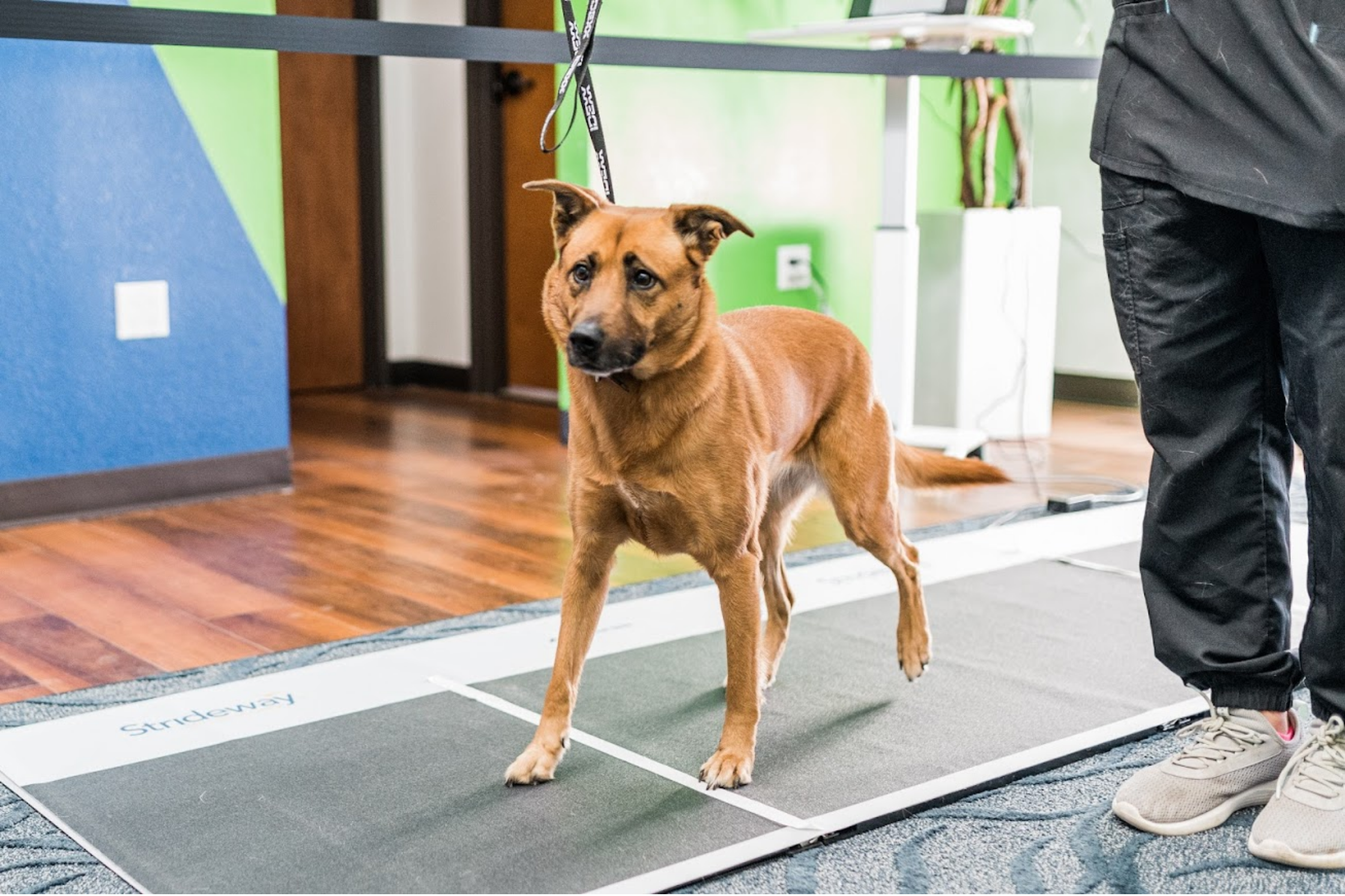
Changes in gait, weakness, or difficulty walking are common signs of IVDD and other neurological conditions in dogs.
Intervertebral Disc Disease (IVDD) is one of the most common causes of back pain, weakness, and paralysis in dogs. If your dog suddenly struggles to walk, cries out in pain, or shows signs of neurological problems, your veterinarian may be concerned about IVDD.
For pet owners in Austin, Round Rock, and Central Texas, advanced diagnostics and imaging play a critical role in confirming IVDD and guiding treatment. At Sage Veterinary Imaging in Round Rock, veterinarians have access to high-quality MRI technology that helps accurately diagnose spinal conditions like IVDD.
What Is IVDD in Dogs?
IVDD occurs when the discs between the vertebrae in a dog’s spine degenerate or rupture, placing pressure on the spinal cord.
These discs normally act as cushions, but when they become damaged, they can compress nerves and disrupt normal movement and sensation.
IVDD most commonly affects:
Dachshunds
French Bulldogs
Corgis
Beagles
Shih Tzus
However, it can occur in any breed.
Signs and Symptoms of IVDD
Symptoms of IVDD can vary depending on the severity and location of the disc problem.
Common signs include:
Reluctance to jump or climb stairs
Neck or back pain
Crying out when moving or being touched
Weakness in the hind limbs
Difficulty walking or wobbling
Dragging the back legs
Sudden paralysis
In more severe cases, dogs may lose the ability to walk or control their bladder.
Why MRI Is Critical for Diagnosing IVDD
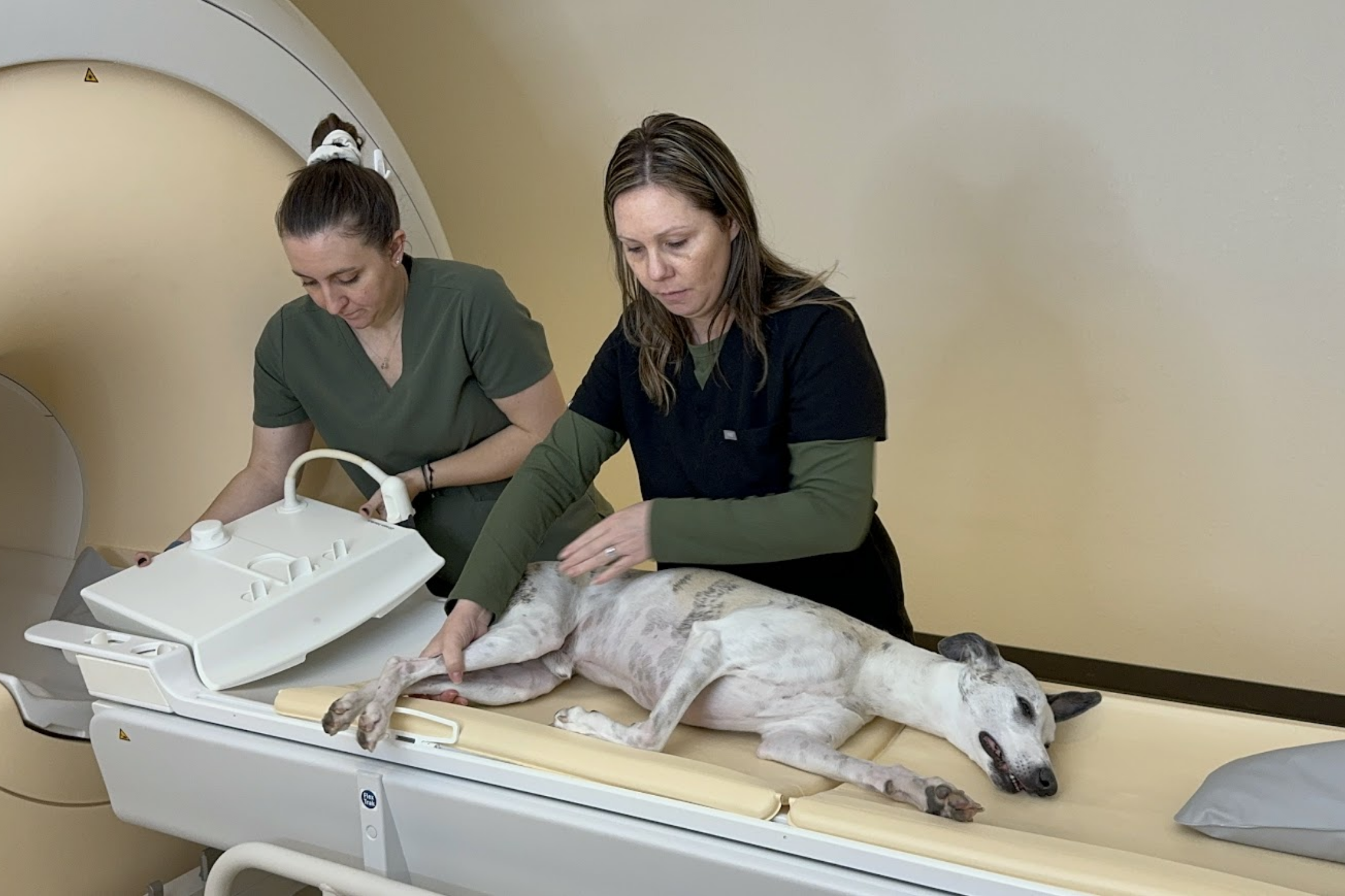
MRI is the gold standard for diagnosing IVDD and other spinal conditions, helping veterinarians identify the exact location and severity of spinal cord compression.
While a physical exam can suggest IVDD, MRI is the gold standard for diagnosis.
MRI allows veterinarians to:
See the spinal cord and discs in detail
Identify the exact location of disc compression
Determine the severity of the condition
Differentiate IVDD from other spinal diseases
At Sage Veterinary Imaging, pets are scanned using 3T MRI technology, which provides high-resolution images that help veterinarians make accurate and timely diagnoses.
IVDD Diagnosis Near Austin
Veterinary clinics throughout Austin, Round Rock, Cedar Park, Georgetown, Pflugerville, Leander, Kyle, and Buda often refer patients to Sage Veterinary Imaging in Round Rock when IVDD is suspected.
The imaging center is conveniently located just north of Austin, making advanced MRI diagnostics accessible for pets across Central Texas.
Treatment Options for IVDD
Treatment for IVDD depends on the severity of the condition.
Conservative Management
Mild cases may be treated with:
Strict rest
Anti-inflammatory medications
Pain management
Physical rehabilitation
Some dogs improve with conservative care, especially when symptoms are caught early.
Surgical Treatment
More severe cases—especially those involving significant weakness or paralysis—may require surgery to relieve pressure on the spinal cord.
MRI plays a critical role in surgical planning by identifying the exact location of the affected disc.
Rehabilitation and Recovery
After treatment, many dogs benefit from:
Physical therapy
Controlled exercise
Supportive care at home
Recovery outcomes vary, but early diagnosis and treatment significantly improve the chances of success.
Why Early Diagnosis Matters
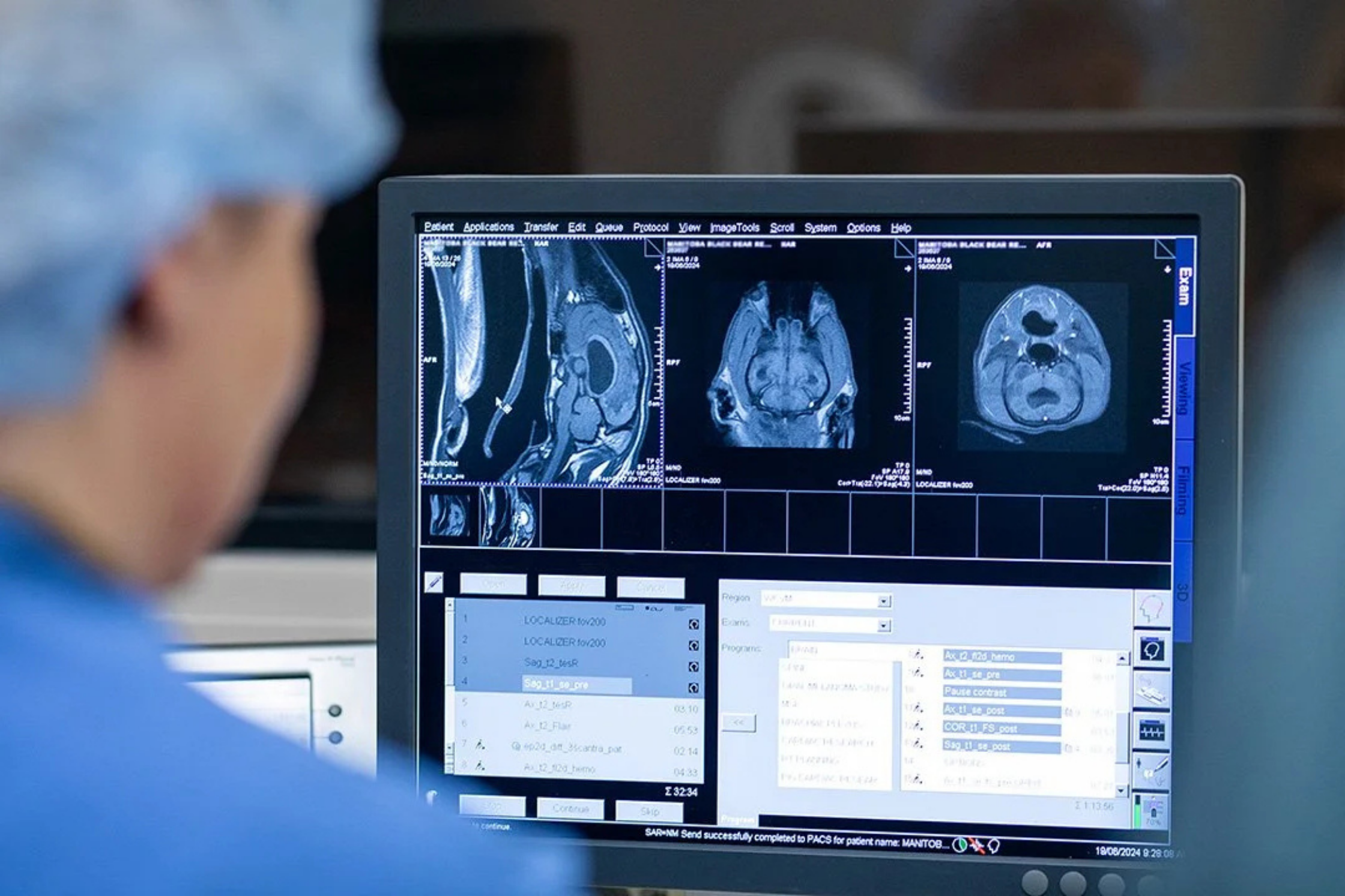
When IVDD is identified early, dogs have a better chance of receiving prompt treatment and achieving a successful recovery.
IVDD can progress quickly, and delays in diagnosis may reduce the chances of recovery, especially in dogs that lose the ability to walk.
Advanced imaging helps:
Confirm the diagnosis quickly
Guide appropriate treatment decisions
Improve outcomes for surgical cases
Reduce uncertainty
If your dog is showing signs of back pain or neurological issues, prompt evaluation is critical.
A Collaborative Approach to Care
Sage Veterinary Imaging works closely with veterinarians across Central Texas to support the diagnosis of IVDD and other neurological conditions.
The imaging team provides:
Advanced MRI diagnostics
Expert interpretation by veterinary radiologists
Fast scheduling for urgent cases
Your primary veterinarian remains responsible for managing your dog’s treatment and recovery, while the imaging team provides the diagnostic clarity needed to guide those decisions.
Helping Austin-Area Dogs Get Back on Their Feet
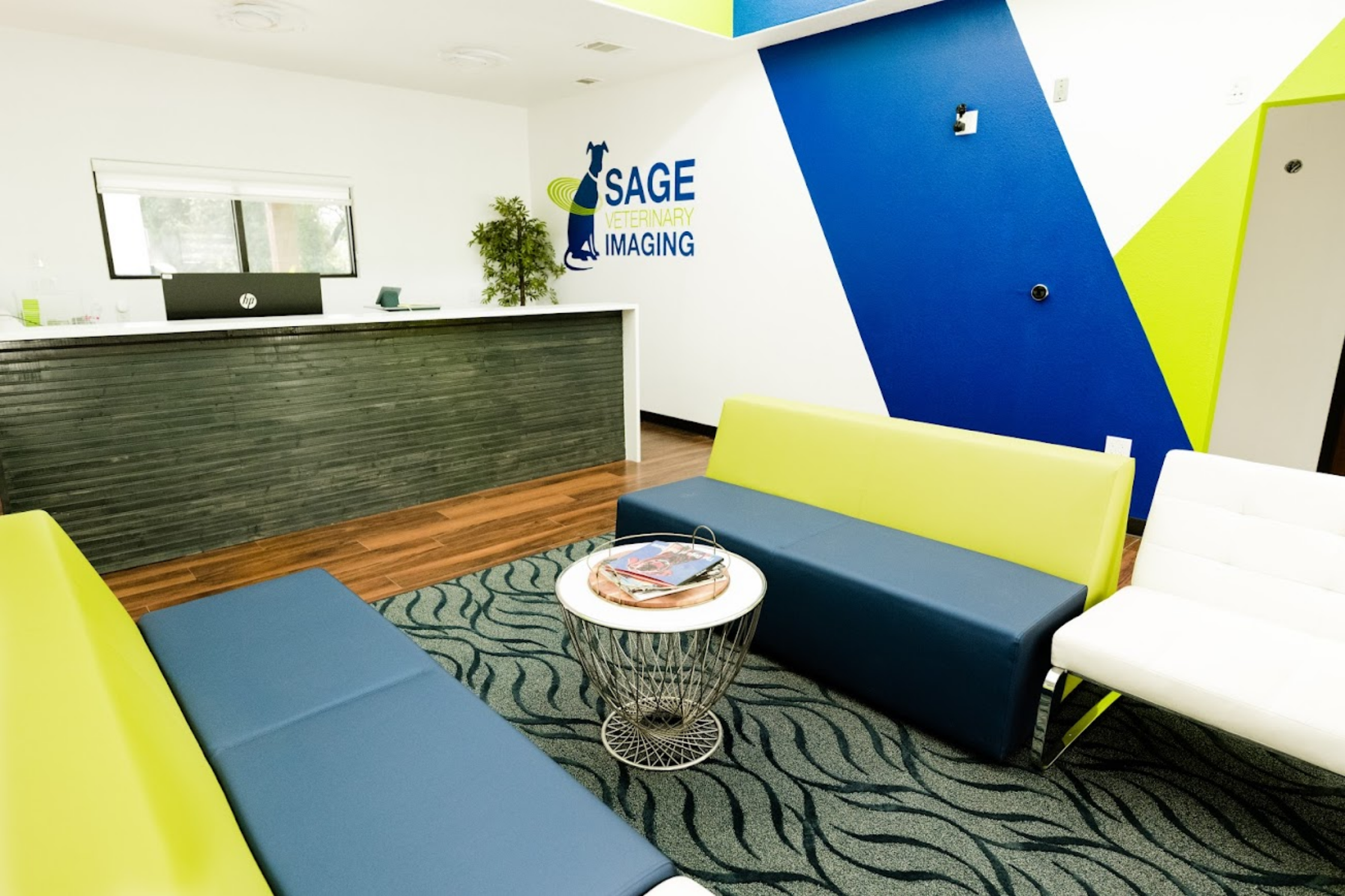
Sage Veterinary Imaging provides advanced MRI diagnostics and collaborative imaging support for veterinarians across Central Texas.
IVDD can be a frightening diagnosis for pet owners, but with the right care and timely imaging, many dogs recover and return to a healthy quality of life.
At Sage Veterinary Imaging in Round Rock, advanced MRI technology helps veterinarians diagnose spinal conditions accurately and efficiently, giving pets the best chance at recovery.
If your veterinarian suspects IVDD, advanced imaging is available nearby in Round Rock to help provide the answers your dog needs.