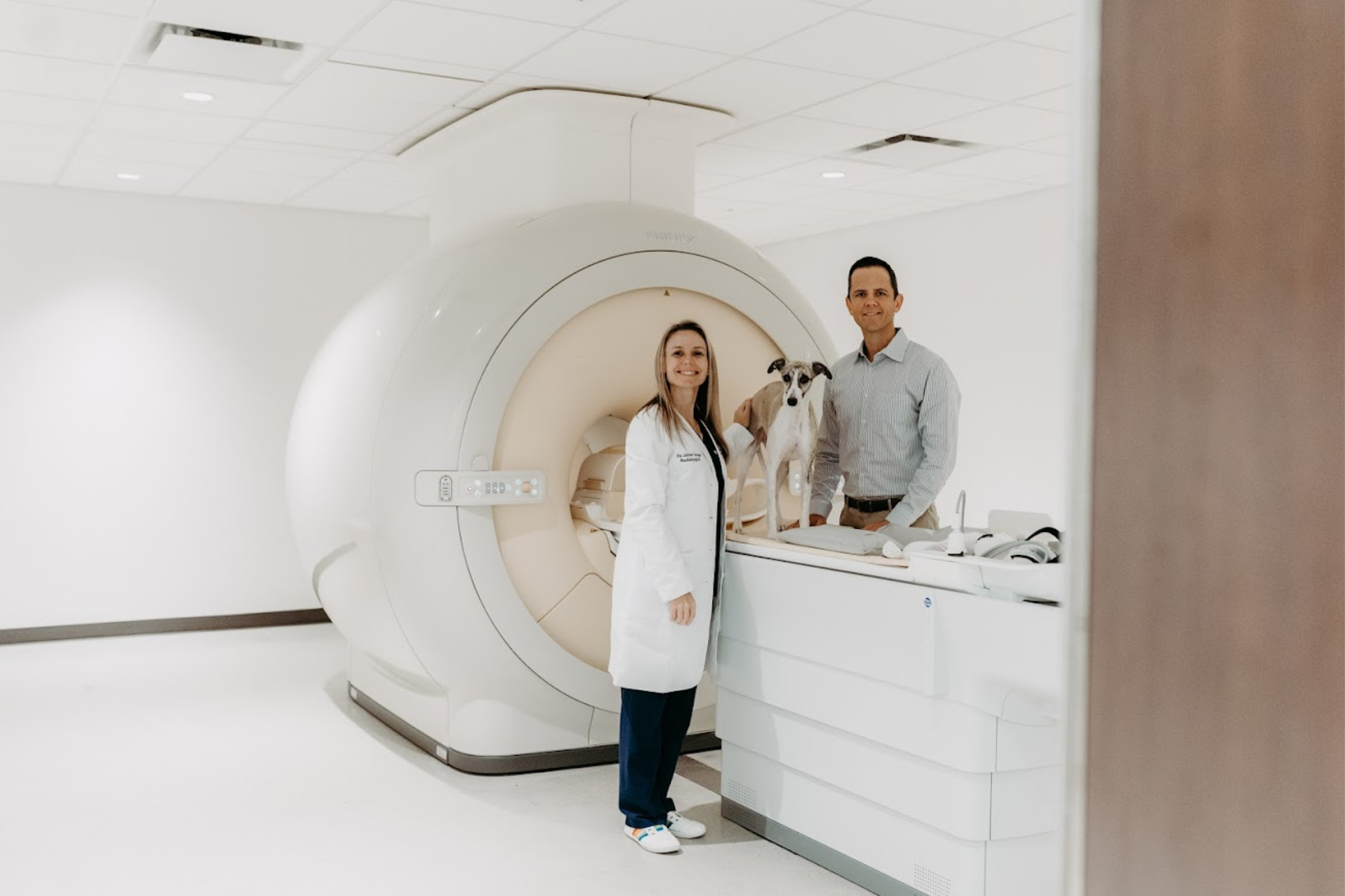
MRI is often recommended when pets experience unexplained seizures or neurological symptoms.
Seeing your dog have a seizure can be frightening and overwhelming. While some seizures may be isolated events, others can signal an underlying neurological condition that requires further evaluation.
For pet owners in Austin, Round Rock, and Central Texas, veterinarians often recommend MRI (Magnetic Resonance Imaging) to better understand the cause of seizures. At Sage Veterinary Imaging in Round Rock, advanced MRI technology helps veterinarians diagnose neurological conditions with precision and clarity.
What Causes Seizures in Dogs?
Seizures occur when there is abnormal electrical activity in the brain. They can vary in severity and frequency, and the underlying cause is not always immediately clear.
Common causes of seizures in dogs include:
Idiopathic epilepsy (most common in younger dogs)
Brain tumors
Inflammatory or infectious brain disease
Head trauma
Congenital abnormalities
Toxin exposure
In some cases, especially in older dogs or those with new-onset seizures, veterinarians may be more concerned about structural problems in the brain.
When Is an MRI Recommended?
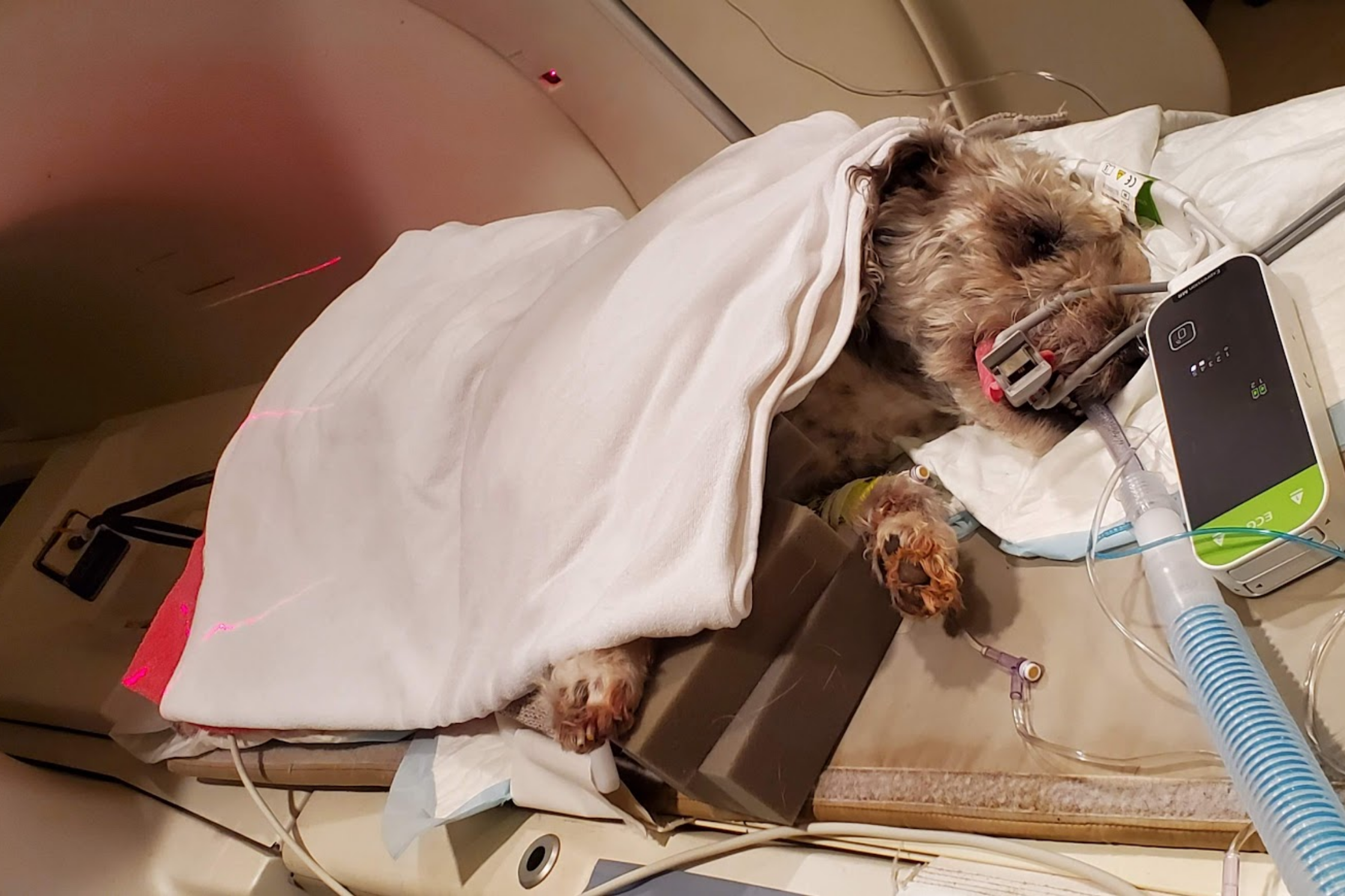
Advanced MRI imaging can help identify underlying causes of seizures and guide treatment decisions.
Not every dog with a seizure needs an MRI right away. However, veterinarians often recommend advanced imaging when certain risk factors or patterns are present.
An MRI may be recommended if your dog has:
First-time seizures after age 5–6
Increasing frequency or severity of seizures
Neurological abnormalities between seizures
Poor response to anti-seizure medications
Signs suggesting a brain lesion
MRI is considered the gold standard for evaluating the brain, making it the most effective tool for identifying structural causes of seizures.
Why MRI Is Important for Diagnosing Seizures
MRI provides highly detailed images of the brain that cannot be obtained with X-rays or CT scans.
With MRI, veterinarians can:
Detect brain tumors
Identify inflammation or infection
Evaluate congenital abnormalities
Assess structural changes in brain tissue
At Sage Veterinary Imaging, pets are scanned using 3T MRI technology, allowing for high-resolution imaging that improves diagnostic accuracy.
Where to Get an MRI in Austin or Round Rock
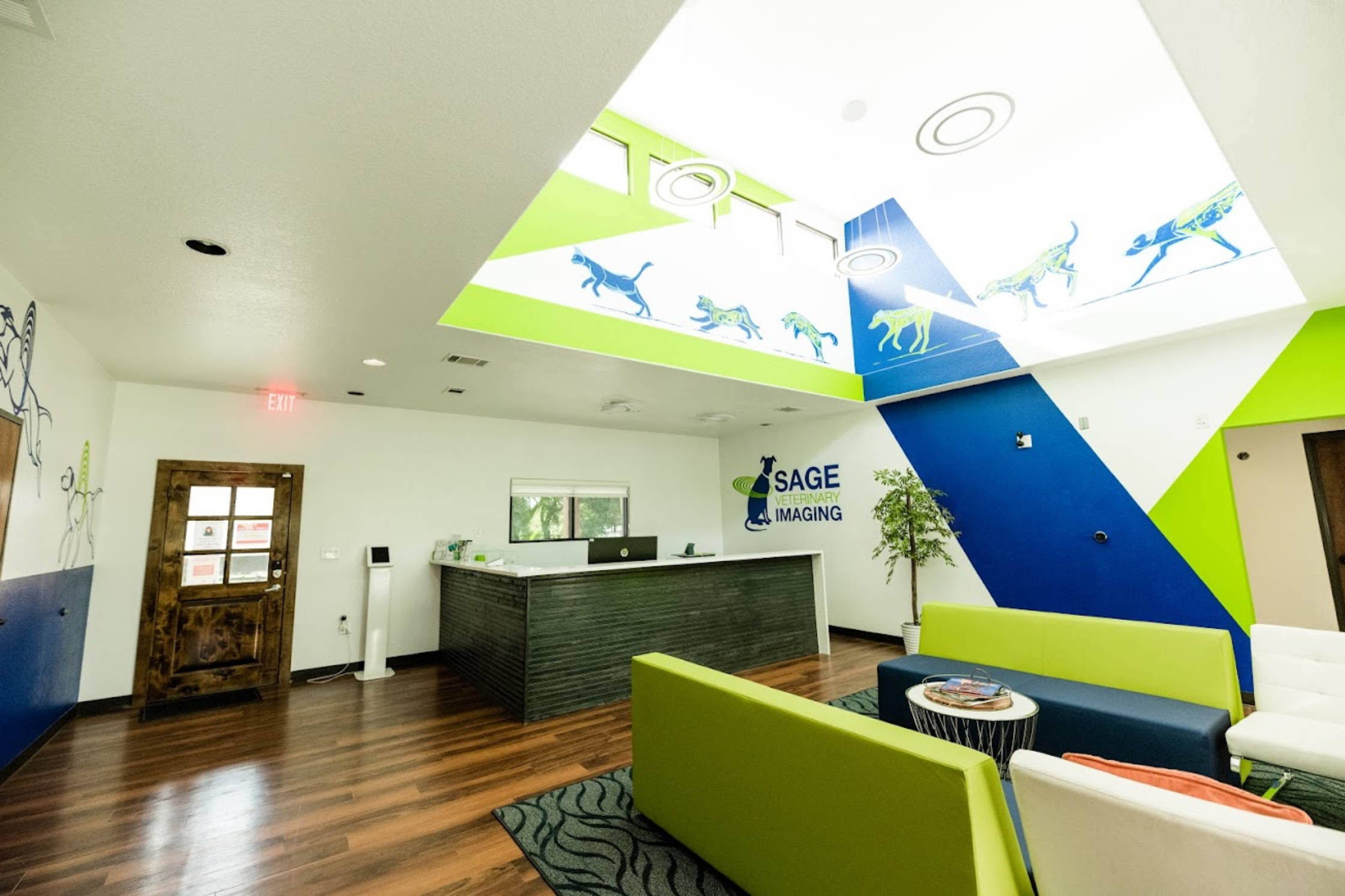
Sage Veterinary Imaging provides advanced diagnostic imaging services for pets throughout Central Texas.
Veterinary clinics throughout Austin, Round Rock, Cedar Park, Georgetown, Pflugerville, Leander, Kyle, and Buda often refer patients to Sage Veterinary Imaging in Round Rock when advanced neurological imaging is needed.
The facility is conveniently located just north of Austin, making it accessible for pet owners across Central Texas.
What Happens During an MRI for Seizures
MRI requires dogs to remain completely still, so the procedure is performed under anesthesia to ensure safety and image quality.
A typical MRI appointment includes:
Medical review
The imaging team reviews your dog’s history and consults with your veterinarian to determine the appropriate imaging plan.
Anesthesia and monitoring
Your dog is placed under carefully monitored anesthesia for the duration of the scan.
MRI imaging
Detailed images of the brain are captured using advanced MRI technology.
Radiologist interpretation
A board-certified veterinary radiologist reviews the images and provides a detailed report to your veterinarian.
Your veterinarian will then discuss the results and recommended next steps.
What Happens After the MRI?
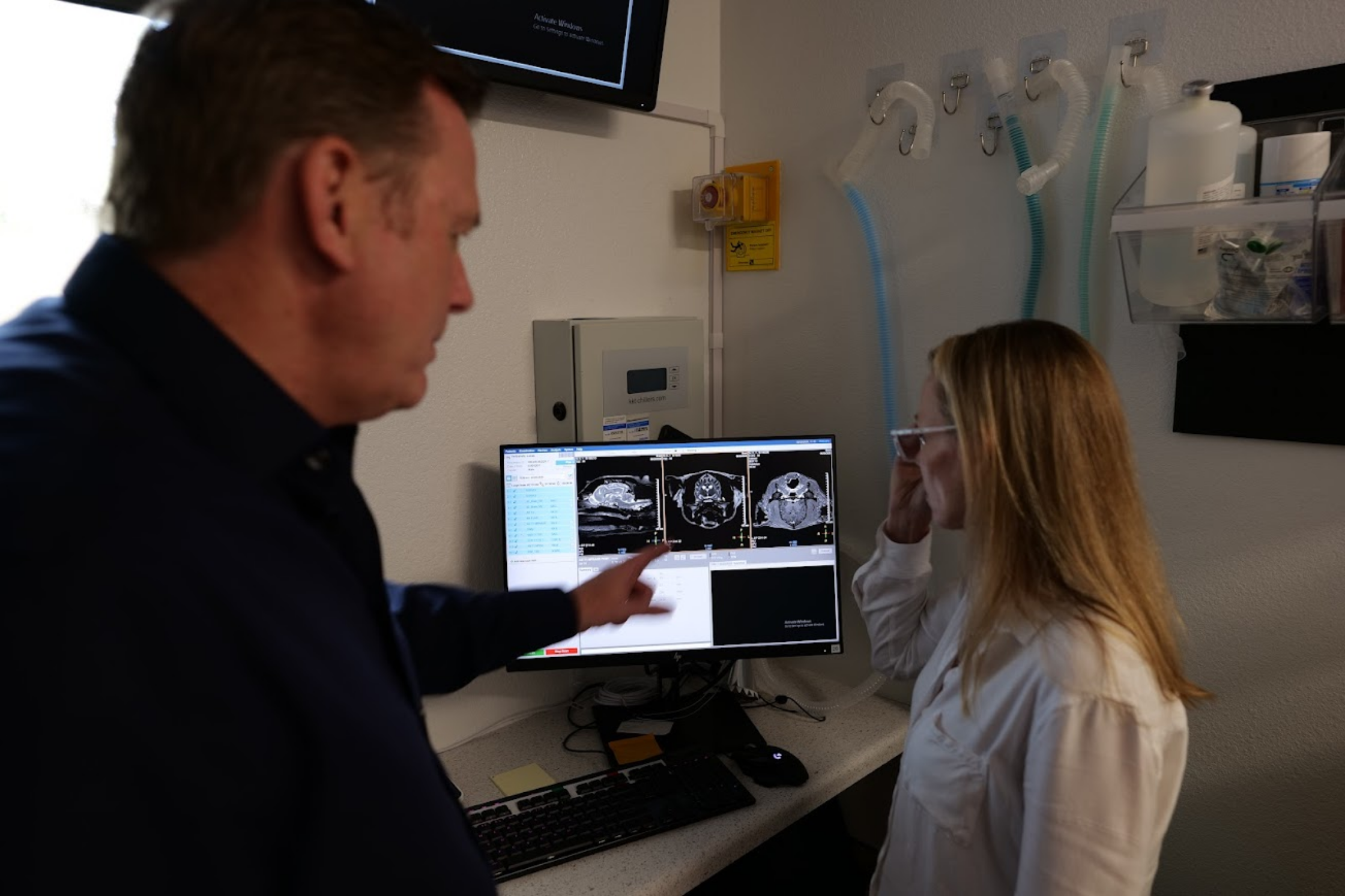
MRI scans provide detailed information that can help pinpoint the source of seizure activity.
Next steps depend on the findings.
Possible outcomes include:
Diagnosis of epilepsy with no structural abnormalities
Identification of a brain tumor or mass
Detection of inflammatory or infectious disease
Recommendation for medication adjustments or additional testing
MRI results help veterinarians create a targeted treatment plan based on the underlying cause.
A Collaborative Approach to Neurological Care
Sage Veterinary Imaging works closely with veterinarians across Central Texas to support the diagnosis of seizures and other neurological conditions.
The imaging team provides:
Advanced MRI diagnostics
Expert interpretation by veterinary radiologists
Efficient scheduling for time-sensitive cases
Your primary veterinarian remains responsible for managing your dog’s treatment, while the imaging team provides the diagnostic clarity needed to guide care.
Helping Austin-Area Dogs Get Answers
Seizures can be unpredictable and stressful, but advanced imaging can provide critical answers about what’s causing them.
At Sage Veterinary Imaging in Round Rock, high-quality MRI technology helps veterinarians diagnose brain conditions accurately and efficiently, giving dogs the best chance at effective treatment.
If your veterinarian recommends an MRI for your dog’s seizures, advanced imaging is available nearby in Round Rock to help provide the answers you need.