Veterinary MRI for Dogs in Round Rock, TX: What Every Pet Parent Needs to Know
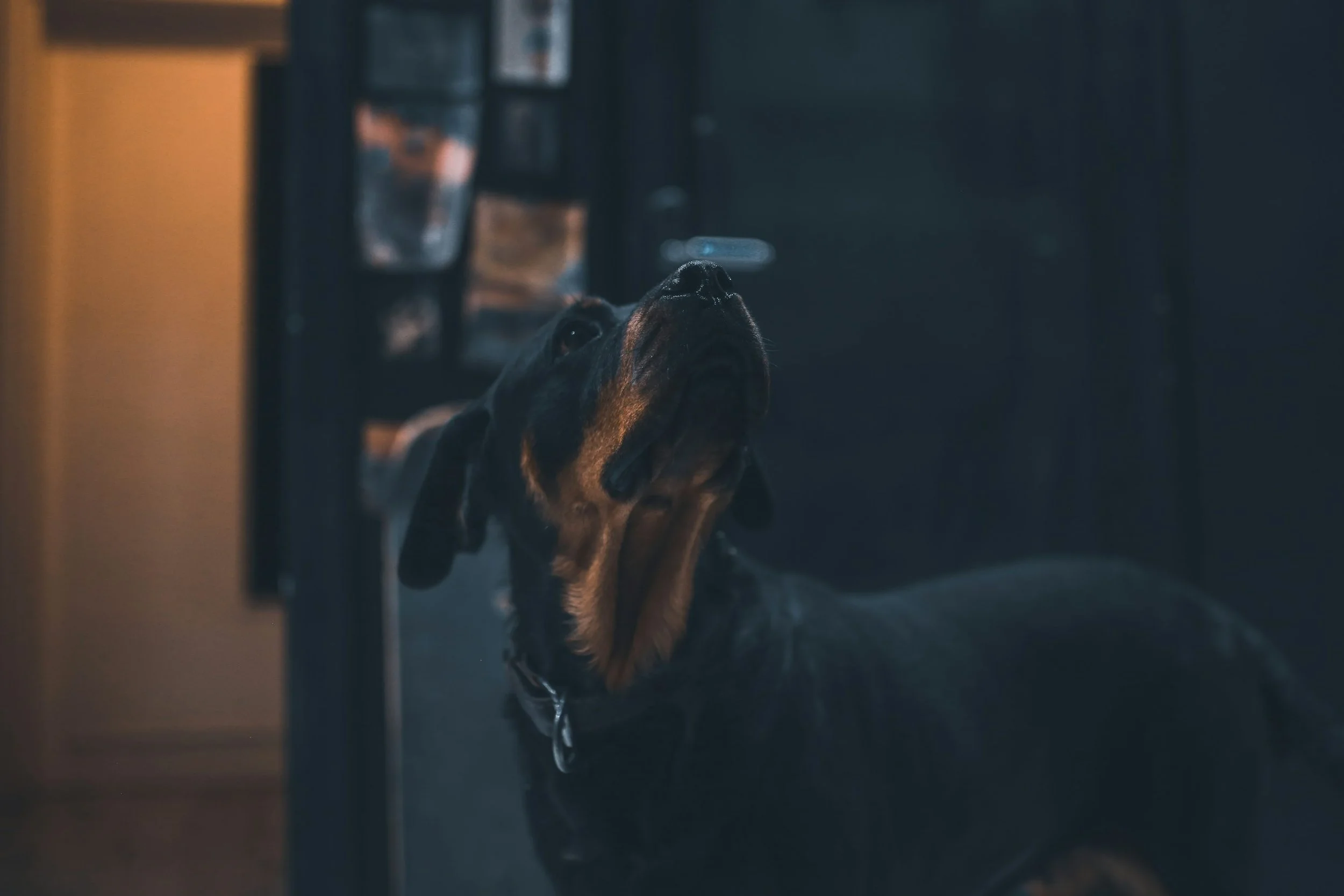
A calm, supportive environment helps dogs feel more at ease during the imaging process, while veterinary teams ensure every scan is performed safely and accurately.
Hearing that your dog needs an MRI can feel overwhelming. Your veterinarian may suspect a neurological condition, spinal injury, or other complex issue—and advanced imaging is often the best way to get clear answers.
If you're in Round Rock or the greater Austin area, you have access to one of the most advanced veterinary imaging centers in Central Texas. At Sage Veterinary Imaging, our team focuses exclusively on diagnostics, using hospital-grade technology to help veterinarians and pet parents quickly understand what’s going on and what to do next.
This guide walks you through why dogs need MRIs, what the process looks like, and how to choose the right imaging center for your pet.
Why Would a Dog Need an MRI?
MRI (Magnetic Resonance Imaging) is one of the most powerful diagnostic tools in veterinary medicine. Unlike X-rays or CT scans, MRI excels at visualizing soft tissues like the brain, spinal cord, nerves, and joints.
Your veterinarian may recommend an MRI if your dog is experiencing symptoms such as:
Seizures or unexplained neurological episodes
Difficulty walking or sudden paralysis
Persistent neck or back pain
Chronic lameness that hasn't responded to treatment
Suspected brain or spinal tumors
Unexplained behavioral changes
Because MRI produces highly detailed images of soft tissue structures, it can reveal issues that other imaging methods may miss. That level of clarity is critical when diagnosing neurological conditions or planning treatment.
What Happens During a Veterinary MRI?
Many pet owners worry that an MRI will be stressful for their dog. In reality, the process is carefully designed to be safe, efficient, and comfortable.
Here’s what typically happens during an MRI visit at Sage Veterinary Imaging in Round Rock:
1. Arrival and Intake
Our team reviews your dog’s medical history and coordinates with your veterinarian to ensure we capture the right images.
2. Safe Anesthesia
Because MRI requires patients to remain completely still, dogs are placed under carefully monitored anesthesia for the scan.
3. The Scan
Your dog is positioned in the MRI scanner while detailed images are captured. Advanced equipment allows scans to be completed efficiently while maintaining exceptional image quality.
4. Expert Interpretation
Each scan is interpreted by a board-certified veterinary radiologist, and results are sent directly to your veterinarian—often within hours or by the next day.
Your primary veterinarian then uses the imaging results to guide the next steps in treatment.
Why MRI Quality Matters for Your Dog

Advanced imaging allows veterinary radiologists to evaluate complex conditions with precision, helping guide faster and more accurate diagnoses.
Not all veterinary MRI systems are the same.
Many veterinary hospitals use low-field MRI machines, which produce less detailed images and can require longer scan times.
At Sage Veterinary Imaging in Round Rock, we use a 3-Tesla MRI, the same level of technology used in leading human hospitals. This system offers several key benefits:
Higher-resolution images for detecting subtle abnormalities
More accurate diagnoses, especially in brain and spinal conditions
Faster scan times, reducing anesthesia duration
Better visualization of small structures in dogs and cats
Advanced MRI technology allows veterinarians to identify conditions earlier and plan treatment with greater confidence.
Why Many Round Rock Veterinarians Refer to Sage Veterinary Imaging
Sage Veterinary Imaging was designed as an outpatient diagnostic imaging center, meaning we focus entirely on advanced imaging—not surgery or hospitalization.
This model offers several advantages for pets and their families:
Faster access to diagnosticsAppointments are often available same-day or next-day, helping pets get answers sooner.
Less stress for pets and ownersVisits are streamlined and focused solely on imaging, making the experience calmer and more efficient.
Your veterinarian stays in chargeWe work directly with your regular vet, providing imaging and expert interpretation while they continue managing your dog’s care.
Hospital-grade technologyOur facility uses advanced tools including 3T MRI, CT, ultrasound, and digital radiography, allowing for comprehensive diagnostic support.
What Conditions MRI Can Help Diagnose
MRI is especially valuable for diagnosing complex neurological and musculoskeletal conditions in dogs.
Common diagnoses include:
Intervertebral disc disease (IVDD)
Brain tumors or inflammation
Spinal cord injuries
Degenerative neurological disorders
Nerve compression
Joint or ligament damage
Because MRI shows soft tissues in such detail, it often provides the clearest path to diagnosis when symptoms are difficult to explain.
Veterinary MRI in Round Rock, TX
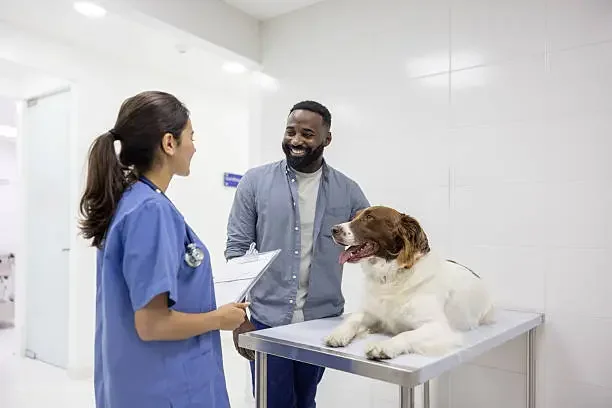
Waiting for answers can be one of the hardest parts. Advanced imaging helps provide clarity when your dog’s symptoms are difficult to explain.
Sage Veterinary Imaging is located in Round Rock, Texas, serving pet families throughout:
Round Rock
Austin
Cedar Park
Georgetown
Pflugerville
Leander
Central Texas and surrounding communities
Our team works closely with referring veterinarians across the region to ensure pets receive fast, accurate diagnostic imaging when it matters most.
When Your Dog Needs Answers, We’re Here to Help
When your veterinarian recommends an MRI, the goal is simple: get clear answers so your dog can get the right treatment as quickly as possible.
At Sage Veterinary Imaging, we combine advanced technology, experienced radiologists, and a compassionate team dedicated to helping pets and their families move forward with confidence.
If your dog has been referred for an MRI—or you're seeking advanced diagnostic imaging in Central Texas—our Round Rock team is here to guide you every step of the way.
Learn more or schedule an appointment at:www.sageveterinary.com.