Veterinary Ultrasound for Pets in Austin, TX
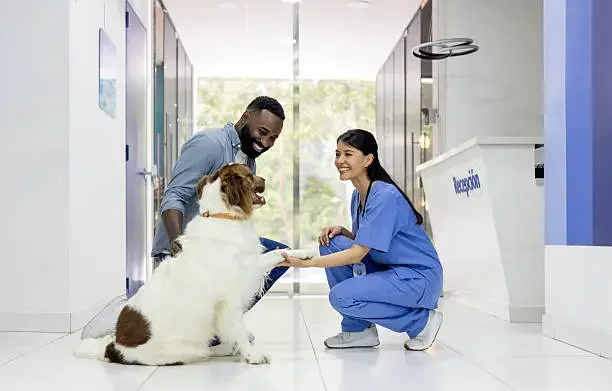
Veterinary ultrasound exams help diagnose internal conditions in pets quickly and safely at specialized imaging centers near Austin, TX.
When a veterinarian needs a closer look at what’s happening inside your pet’s body, ultrasound is often one of the most valuable diagnostic tools available. Veterinary ultrasound allows doctors to evaluate organs, detect abnormalities, and guide certain procedures without surgery or invasive techniques.
For pet owners searching for veterinary ultrasound in Austin, TX, advanced diagnostic imaging is available just north of the city at Sage Veterinary Imaging in Round Rock. The imaging center works with veterinarians across the Austin area to provide high-quality ultrasound exams that help diagnose medical problems quickly and accurately.
What Is Veterinary Ultrasound?
Ultrasound uses high-frequency sound waves to produce detailed images of structures inside the body. Unlike X-rays, which primarily show bones, ultrasound allows veterinarians to see soft tissues and organs in real time.
This makes ultrasound especially useful for evaluating organs such as:
The liver
Kidneys
Spleen
Bladder
Gastrointestinal tract
Pancreas
Because ultrasound does not use radiation and usually does not require anesthesia, it is considered one of the safest and least invasive diagnostic imaging methods in veterinary medicine.
When Veterinarians Recommend Ultrasound
Veterinarians may recommend ultrasound when pets develop symptoms that require a closer look at internal organs.
Common reasons for ultrasound imaging include:
Vomiting or chronic digestive problems
Unexplained weight loss
Abnormal blood test results
Suspected tumors or internal masses
Urinary tract issues
Liver or kidney disease
Abdominal pain
Ultrasound can often provide immediate information that helps veterinarians narrow down the possible causes of illness.
Where to Get Veterinary Ultrasound Near Austin
Many veterinary clinics throughout the Austin metropolitan area refer patients to Sage Veterinary Imaging in Round Rock when specialized ultrasound diagnostics are needed.
The Round Rock location is conveniently located about 20 minutes north of downtown Austin, making it accessible for pet owners traveling from communities such as:
Austin
Round Rock
Cedar Park
Georgetown
Pflugerville
Leander
Kyle
Buda
San Marcos
This central location allows pets throughout Central Texas to access advanced diagnostic imaging without traveling far outside the Austin area.
What Happens During a Pet Ultrasound

Ultrasound imaging allows veterinarians to evaluate internal organs in dogs without invasive procedures.
Veterinary ultrasound exams are typically quick and minimally stressful for pets.
A typical appointment includes several steps.
Medical review
Before the exam, the imaging team reviews your pet’s medical records and consults with your veterinarian about the diagnostic goals of the ultrasound.
Ultrasound examination
A small amount of ultrasound gel is applied to the skin to allow sound waves to travel effectively. The veterinarian gently moves the ultrasound probe across the area being examined while images appear on a monitor in real time.
Image interpretation
A board-certified veterinary radiologist reviews the ultrasound findings and provides a detailed report to your veterinarian, who will discuss the results and recommended next steps with you.
Many pets can undergo ultrasound without anesthesia, although mild sedation may occasionally be recommended depending on the pet and the type of exam.
A Collaborative Approach to Advanced Imaging
Sage Veterinary Imaging operates as a dedicated outpatient diagnostic imaging center, focusing entirely on advanced imaging services rather than emergency care or surgery.
This model allows the team to provide:
Faster scheduling for diagnostic imaging
A streamlined visit focused on diagnostics
Rapid interpretation by veterinary radiology specialists
Close collaboration with your primary veterinarian
Your regular veterinarian remains in charge of your pet’s care while the imaging specialists provide the advanced diagnostics needed to clarify the diagnosis.
Conditions Ultrasound Can Help Diagnose
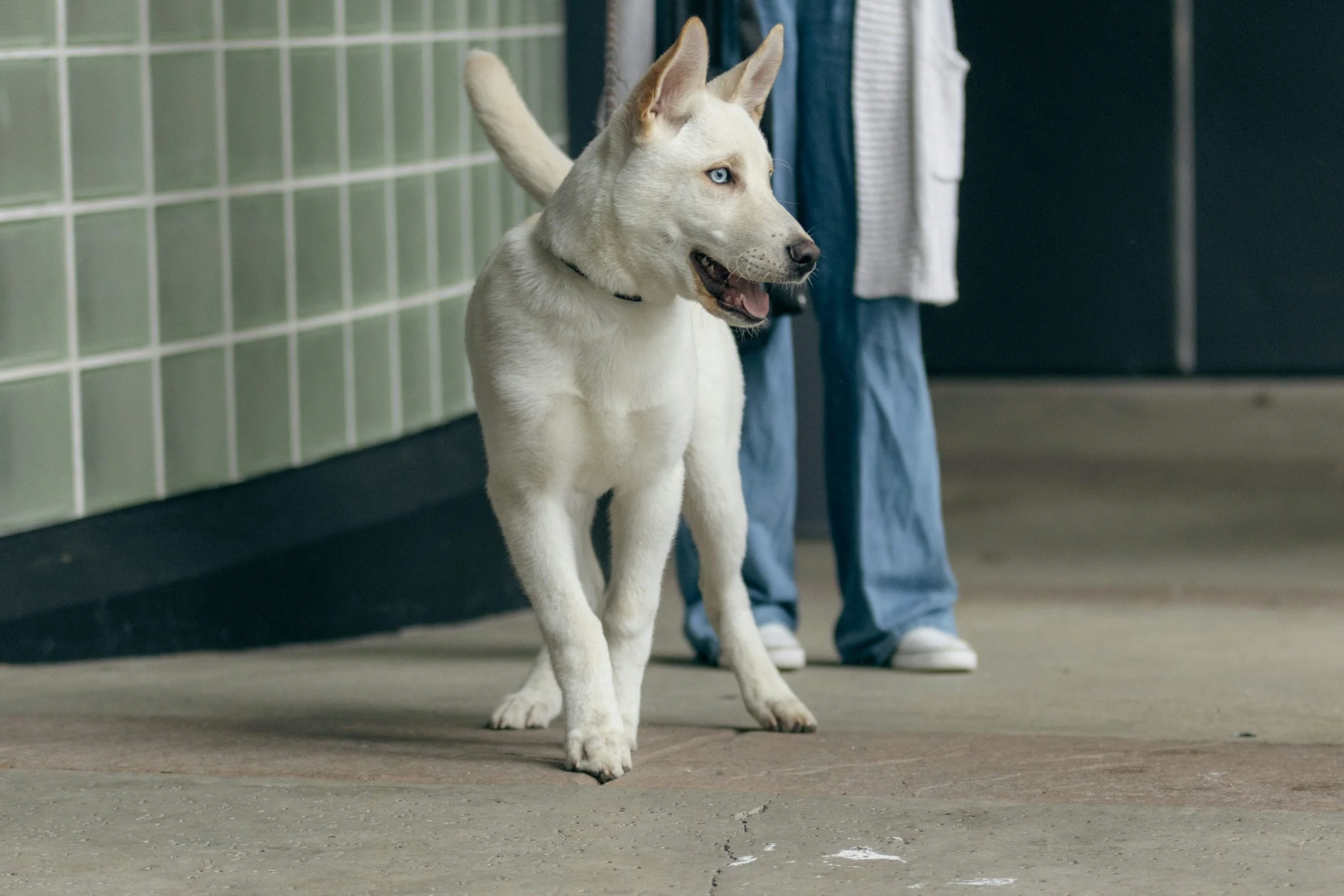
Many pets can undergo ultrasound imaging without anesthesia, making it a safe and low-stress diagnostic option.
Ultrasound is particularly helpful for evaluating soft tissues and abdominal organs.
Common conditions that ultrasound can help diagnose include:
Liver disease
Kidney disease
Pancreatitis
Gastrointestinal disorders
Bladder stones or urinary tract disease
Abdominal tumors or masses
Internal bleeding or fluid accumulation
Because ultrasound provides real-time images of internal organs, veterinarians can observe both structural abnormalities and organ function.
Advanced Pet Ultrasound Near Austin
Sage Veterinary Imaging’s Round Rock facility serves pets throughout the greater Austin region, providing advanced ultrasound exams and other diagnostic imaging services when pets require specialized evaluation.
Veterinarians across Central Texas rely on advanced imaging to help identify the cause of illness and guide the most appropriate treatment.
Helping Austin Pets Get Answers
When pets develop unexplained symptoms or abnormal lab results, diagnostic imaging often provides the clarity needed to move forward with treatment.
At Sage Veterinary Imaging near Austin, our team focuses on delivering high-quality diagnostic imaging with efficiency, compassion, and precision so veterinarians and pet families can make informed decisions about care.
If your veterinarian recommends an ultrasound for your pet, advanced veterinary imaging is available nearby in Round Rock to help provide the answers your pet needs.